
Original: $3,399.55
-65%$3,399.55
$1,189.84The Story
Antique Japanese Wakizashi, signed Yamashiro Daijō Minamoto Kunishige — NBTHK Hozon Tōken
Bitchū Mizuta school · Early Edo period, c. Kan'ei–Shōhō era (1624–1648)
Accompanied by an NBTHK Hozon Tōken ("Sword Worthy of Preservation") certificate.
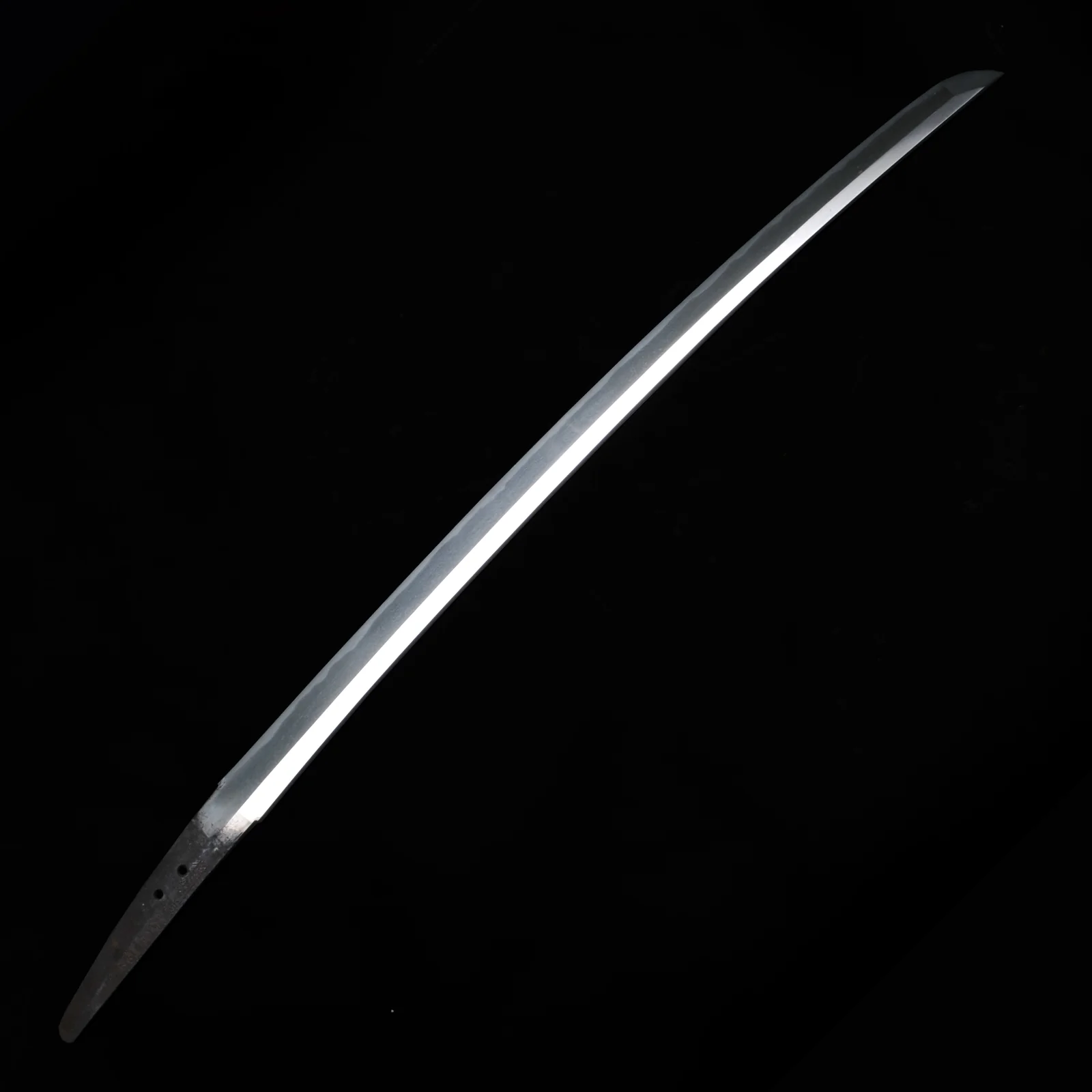
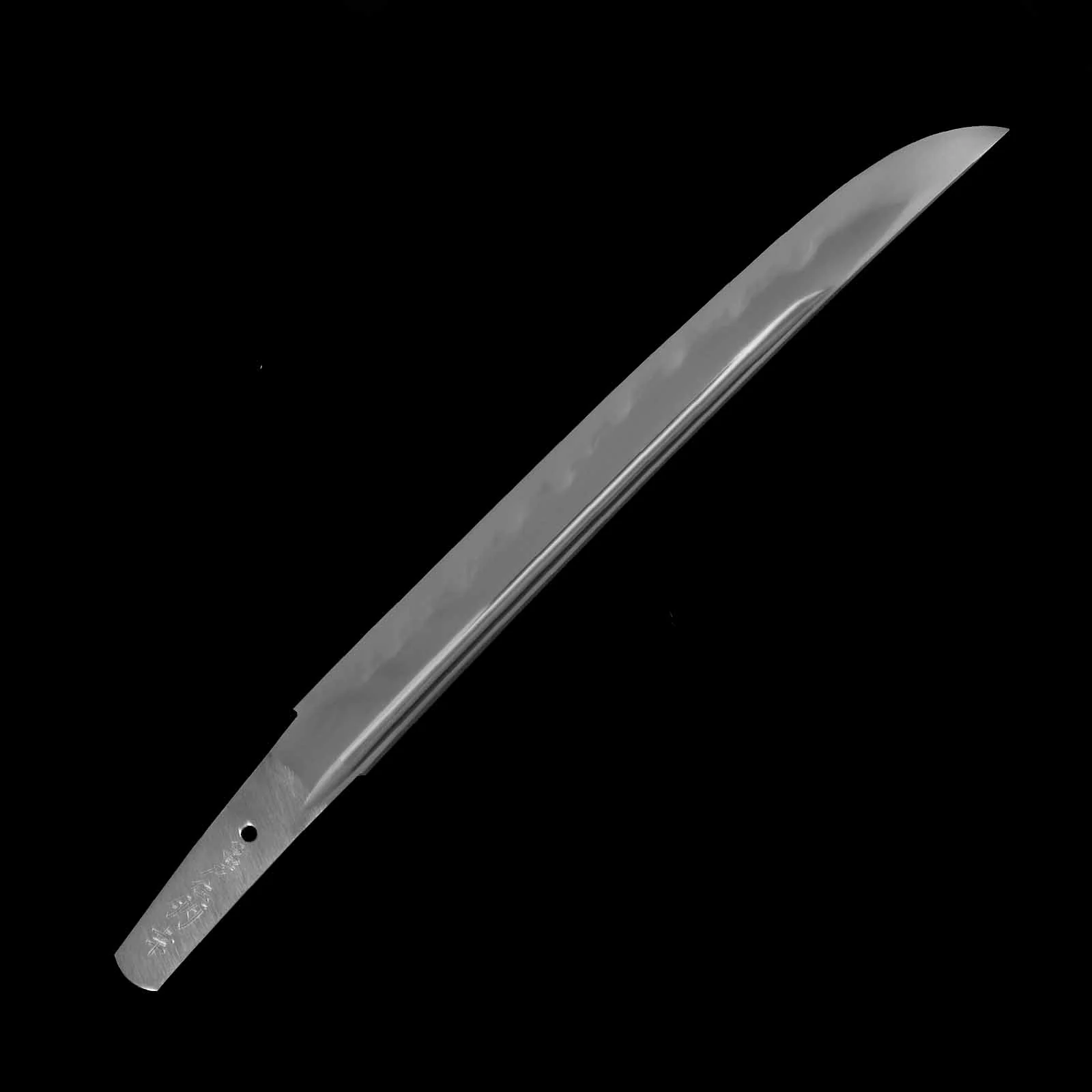
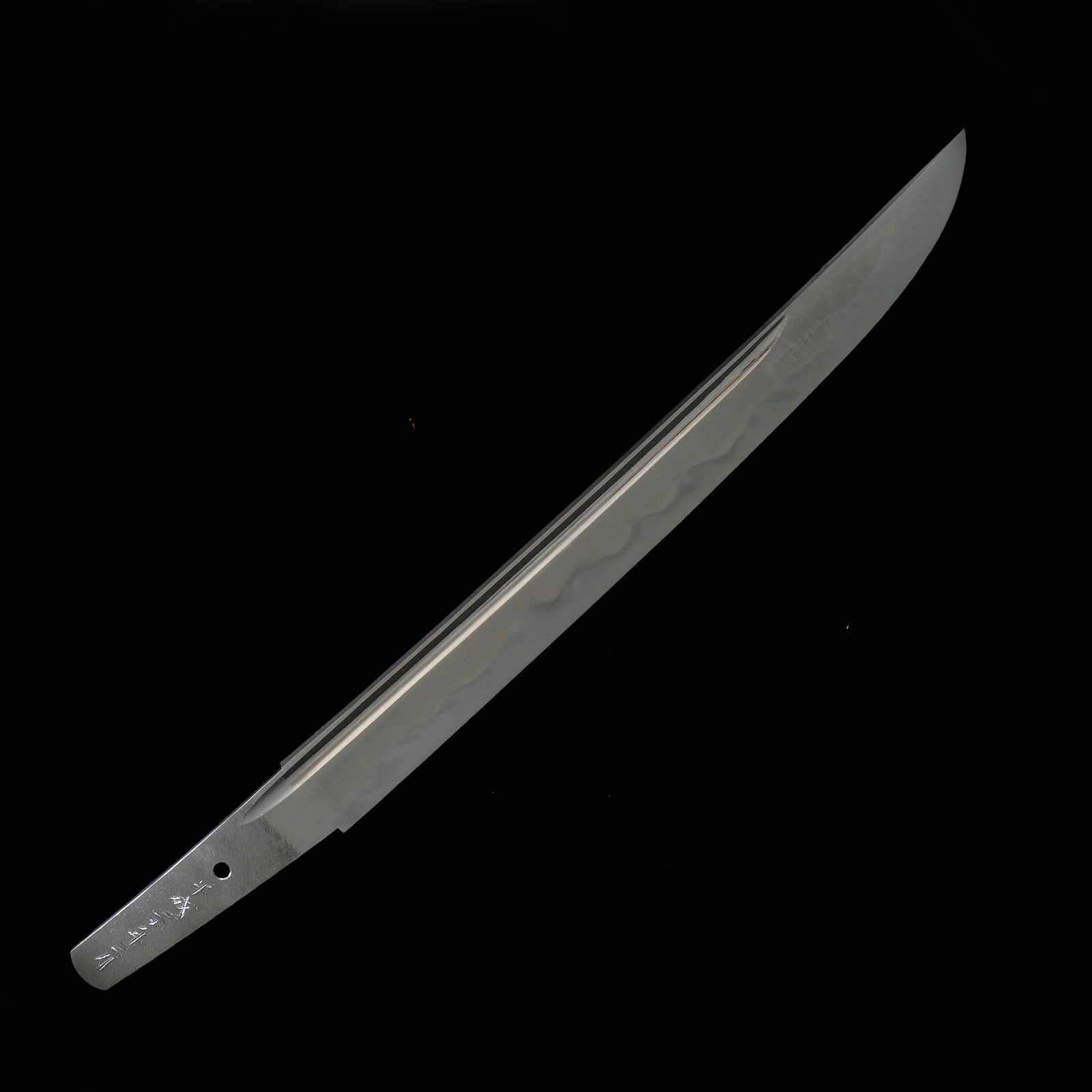
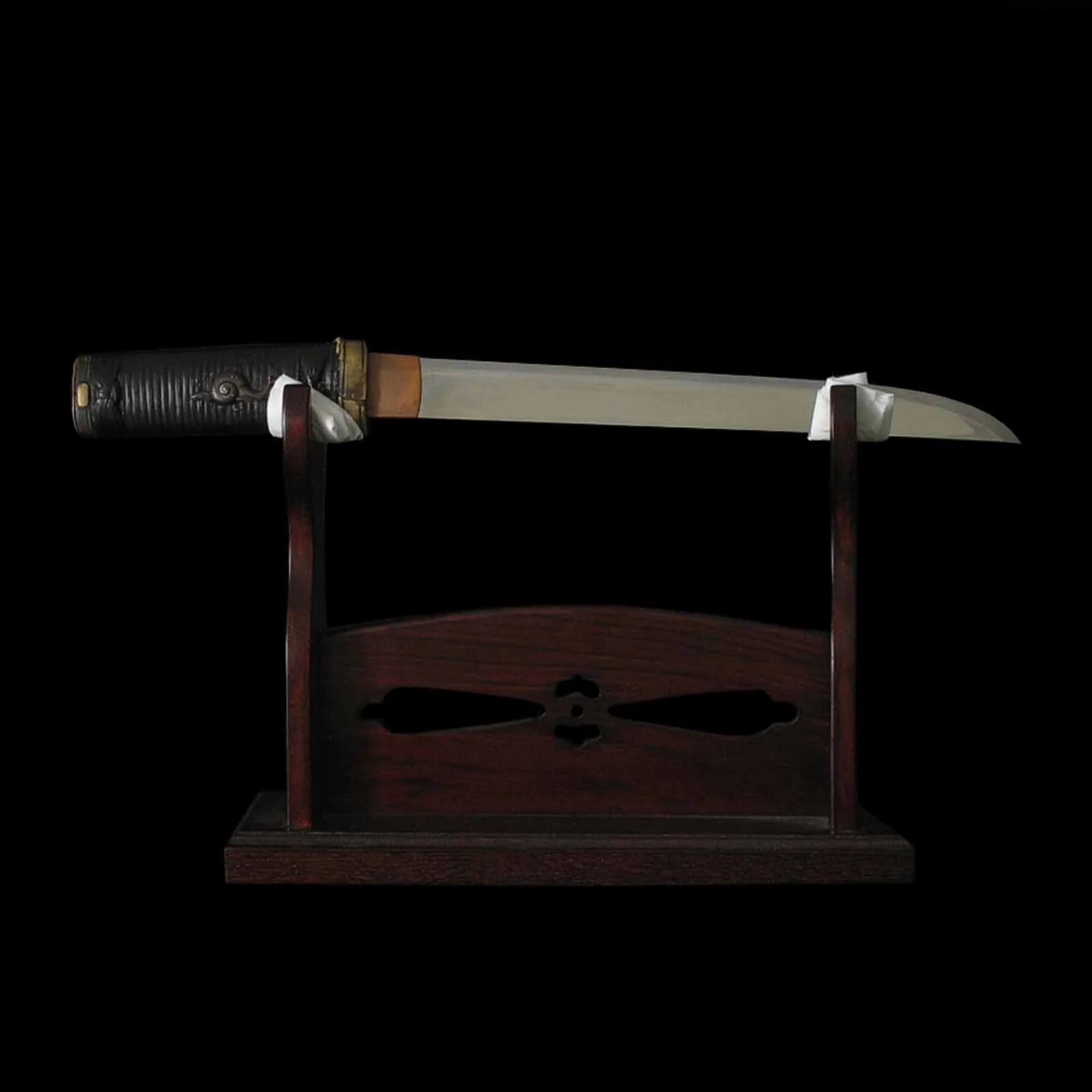
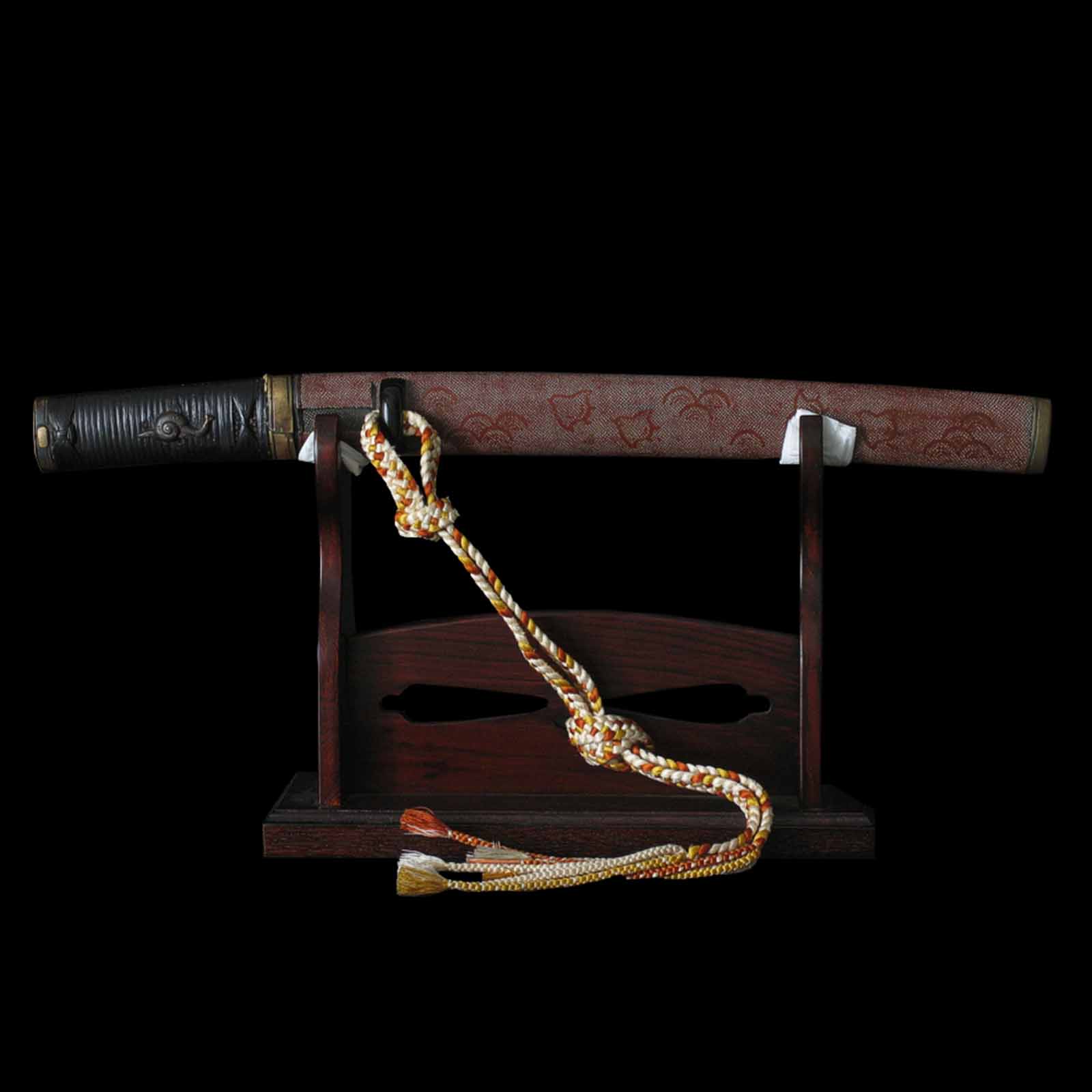
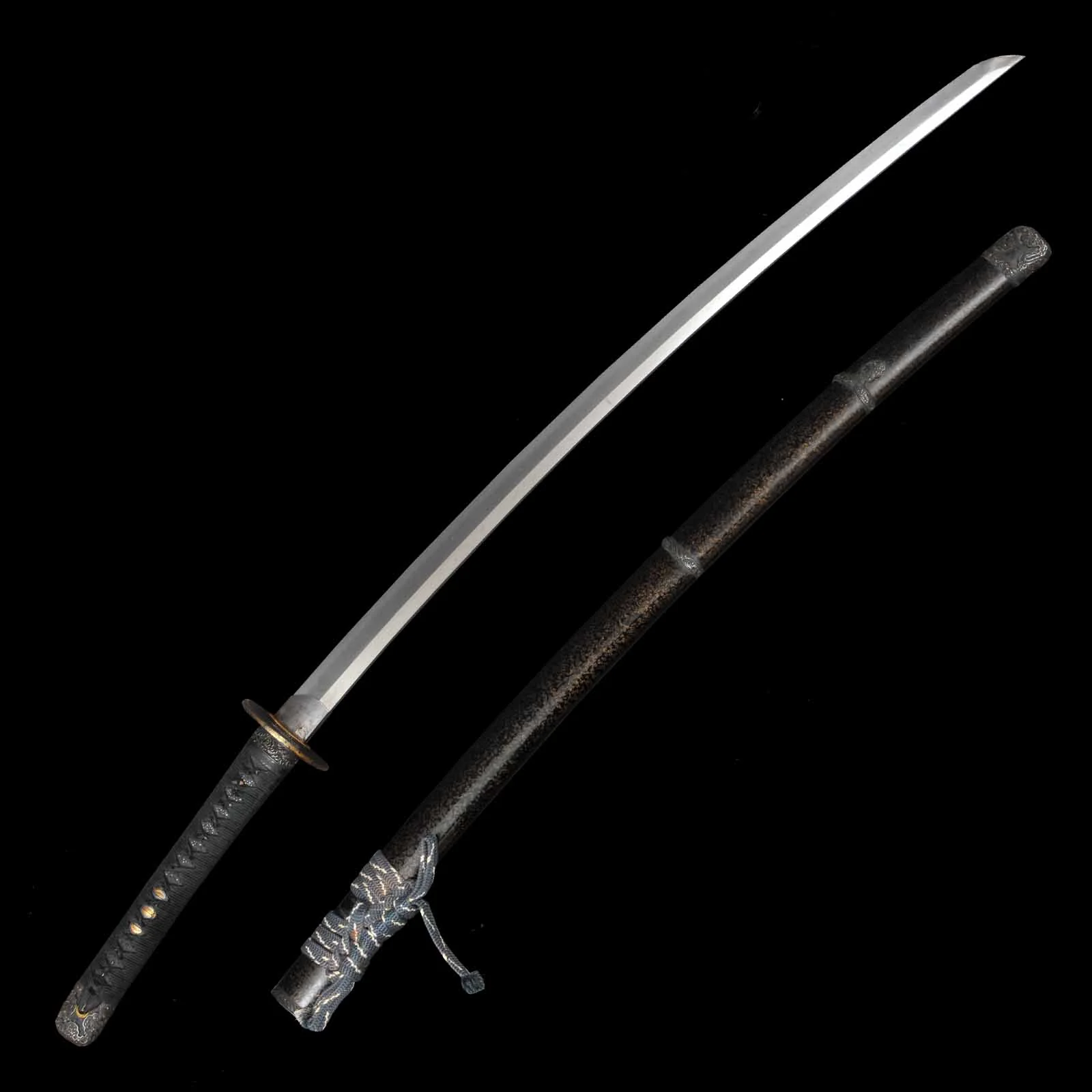
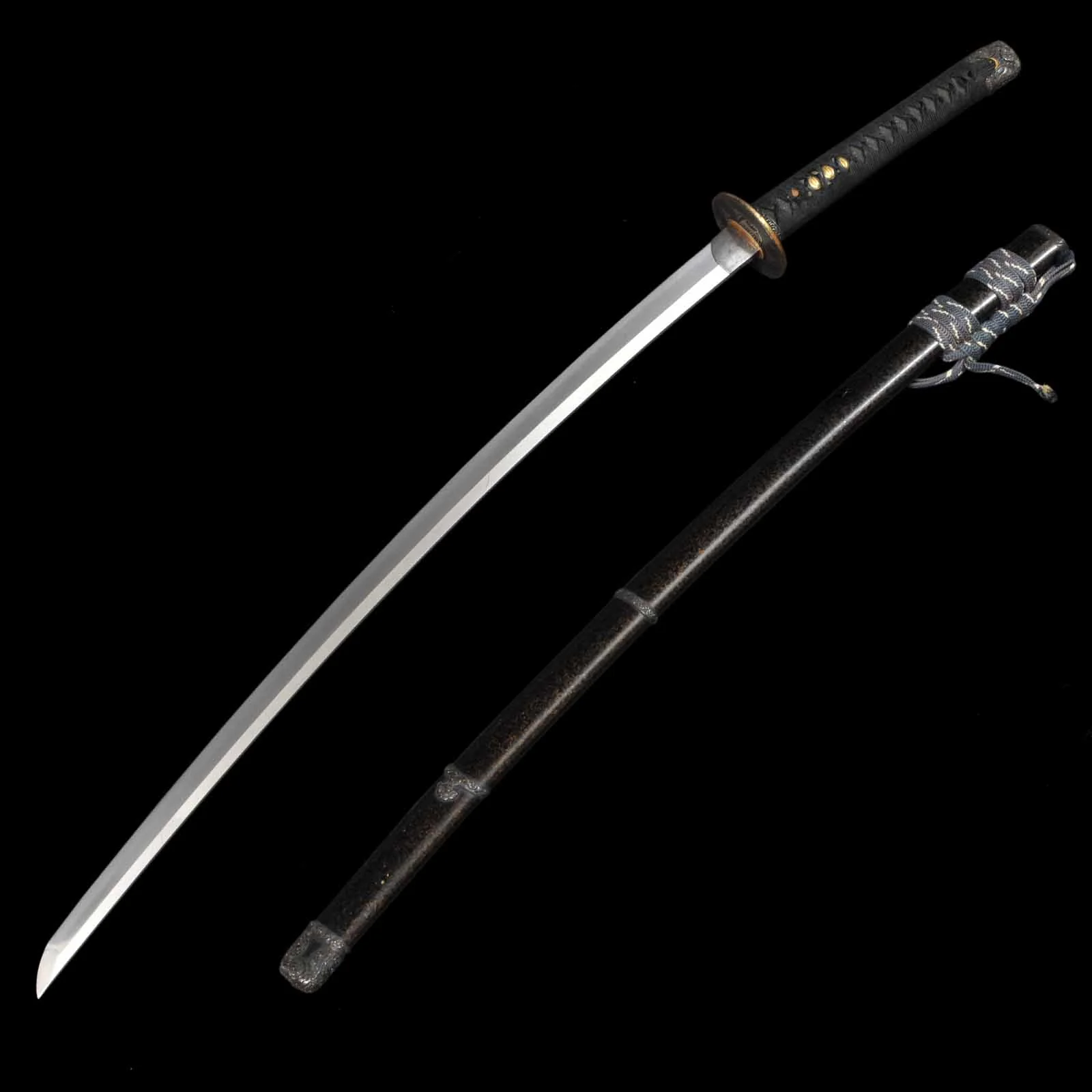
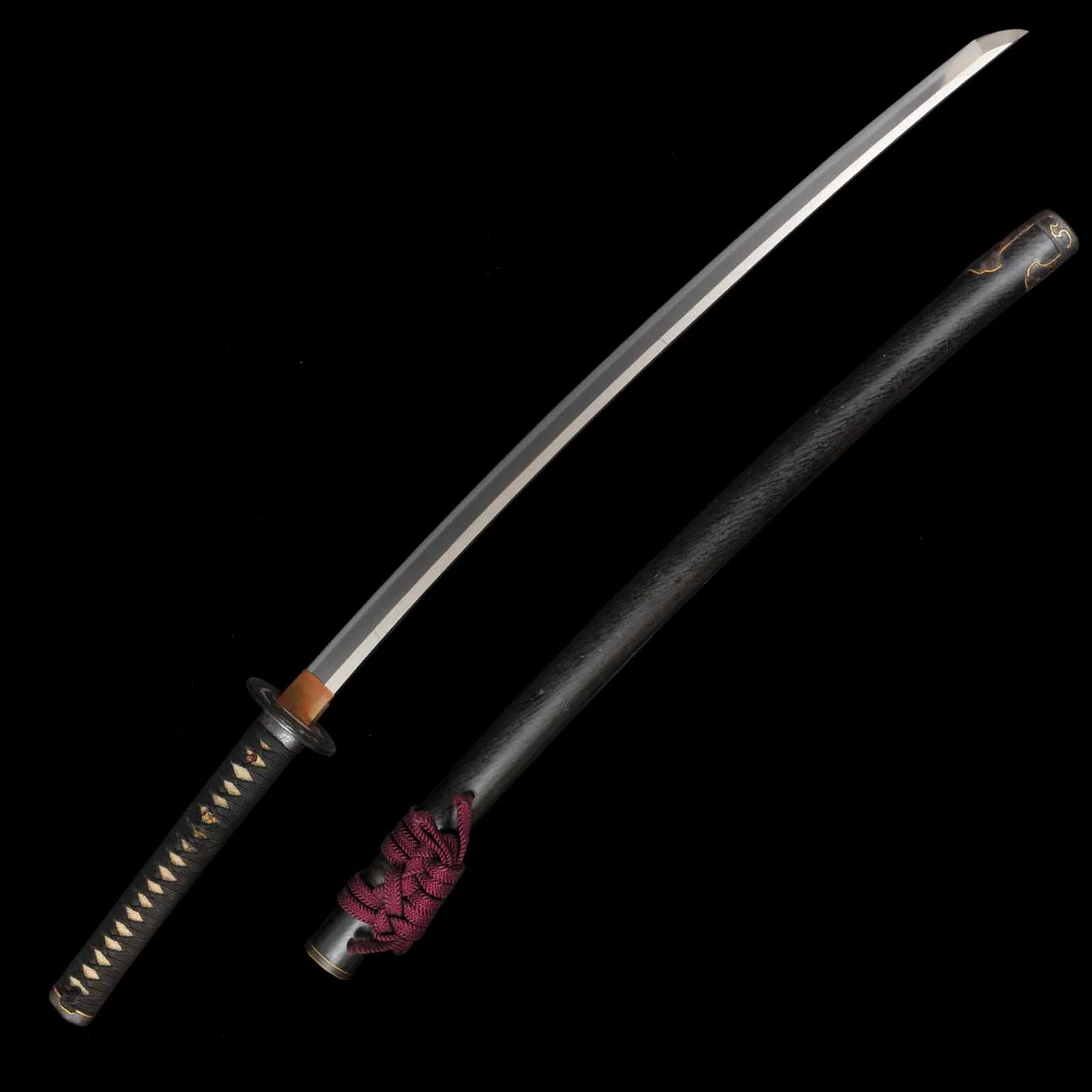
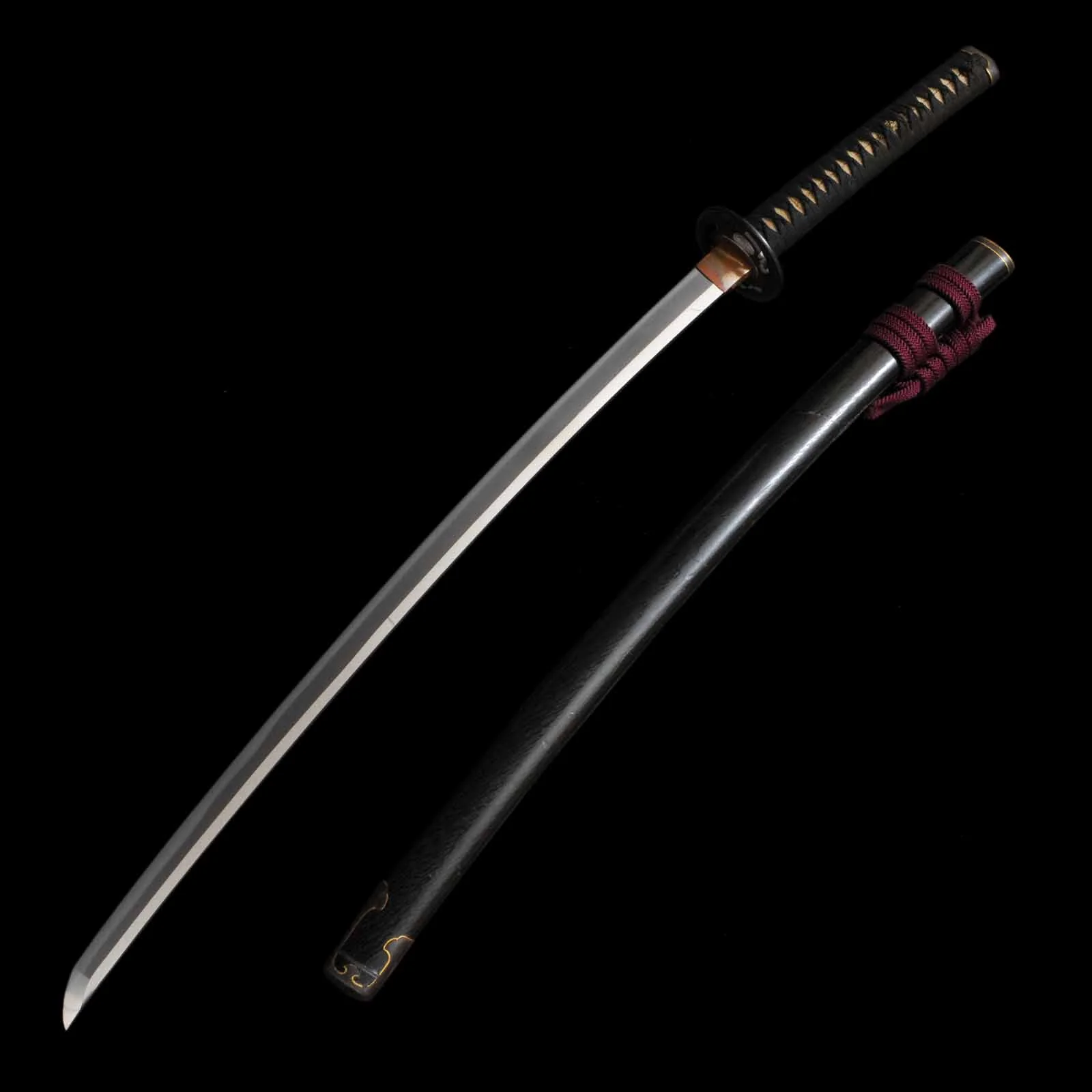
A superb wakizashi, its quality and historical importance confirmed by the NBTHK Hozon Tōken certificate of the Society for the Preservation of Japanese Art Swords. The tang is crisply signed Yamashiro Daijō Minamoto Kunishige (山城大掾源国重) on the omote and Bitchū Mizuta-jū (備中水田住) on the reverse — the mark of the celebrated Mizuta school of Bitchū, whose blades earned a formidable reputation in the early Edo period as practical swords beloved of the samurai.
Workmanship and condition
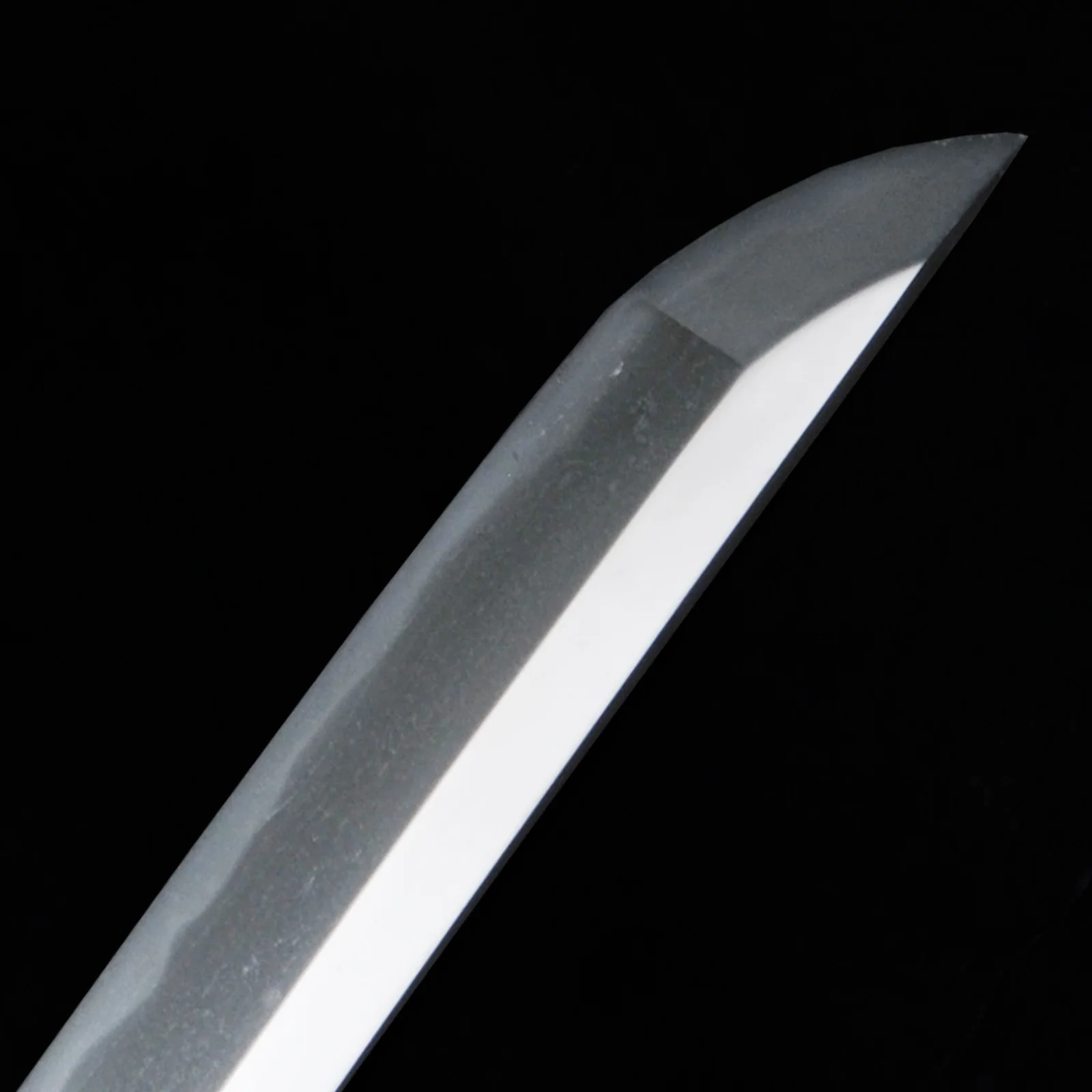
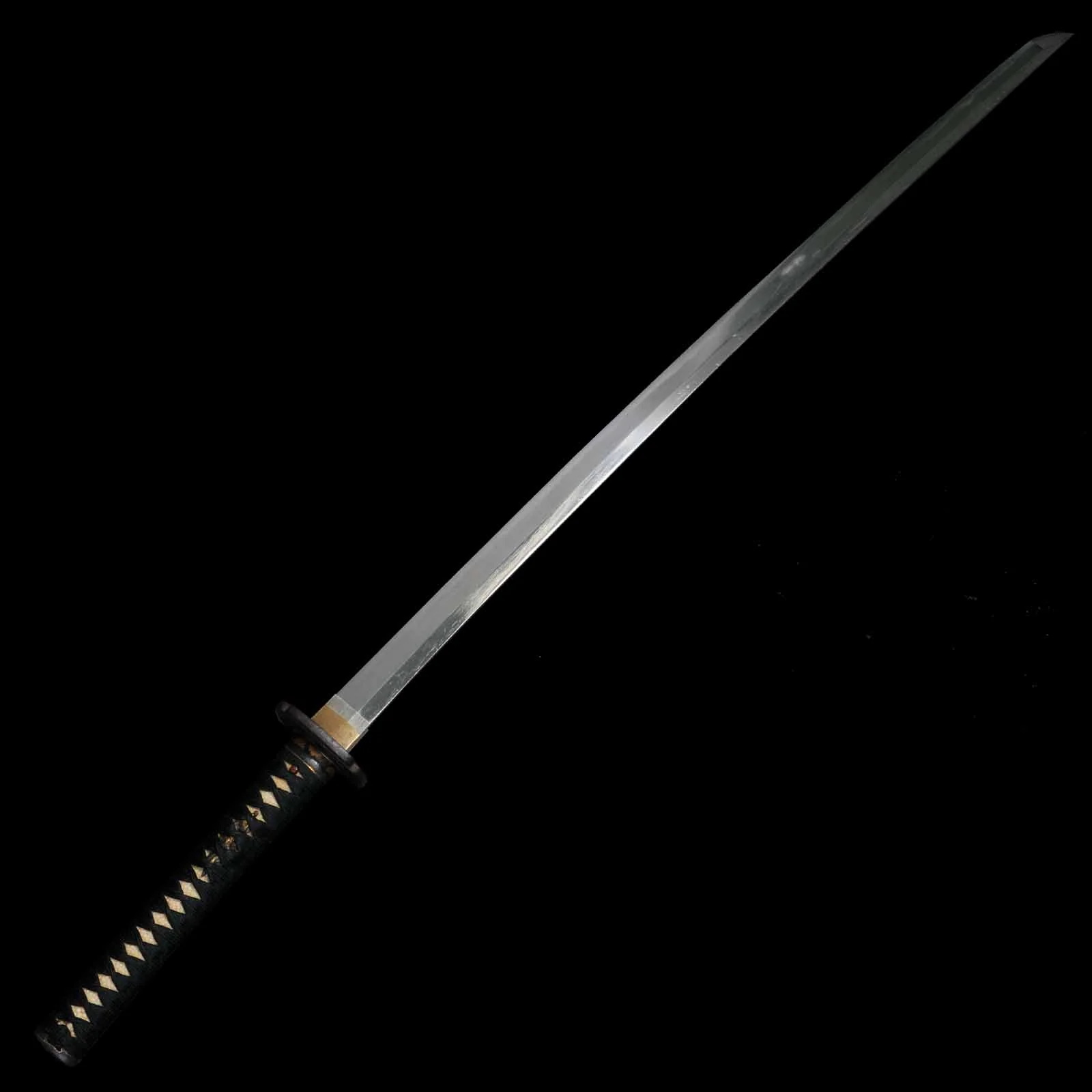
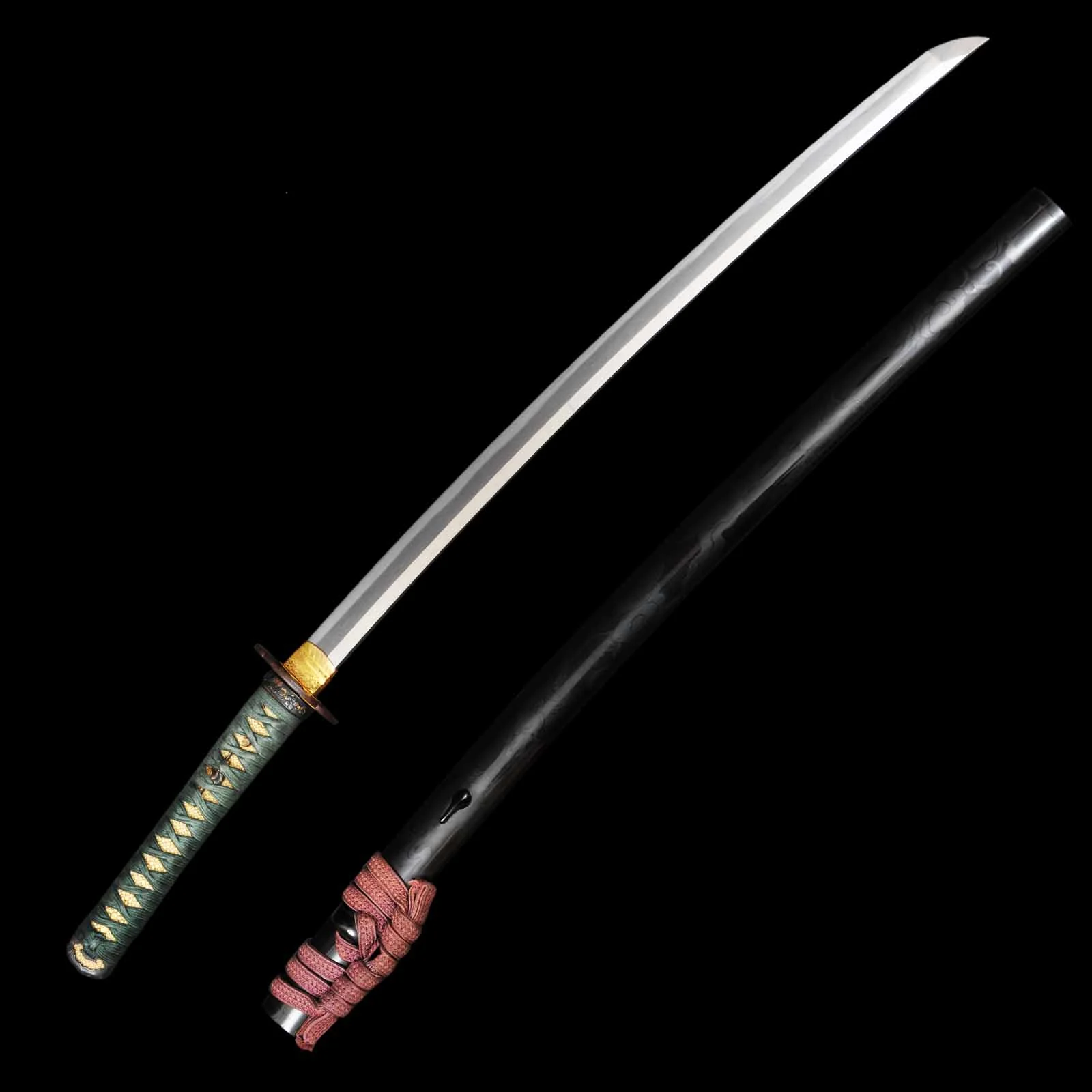
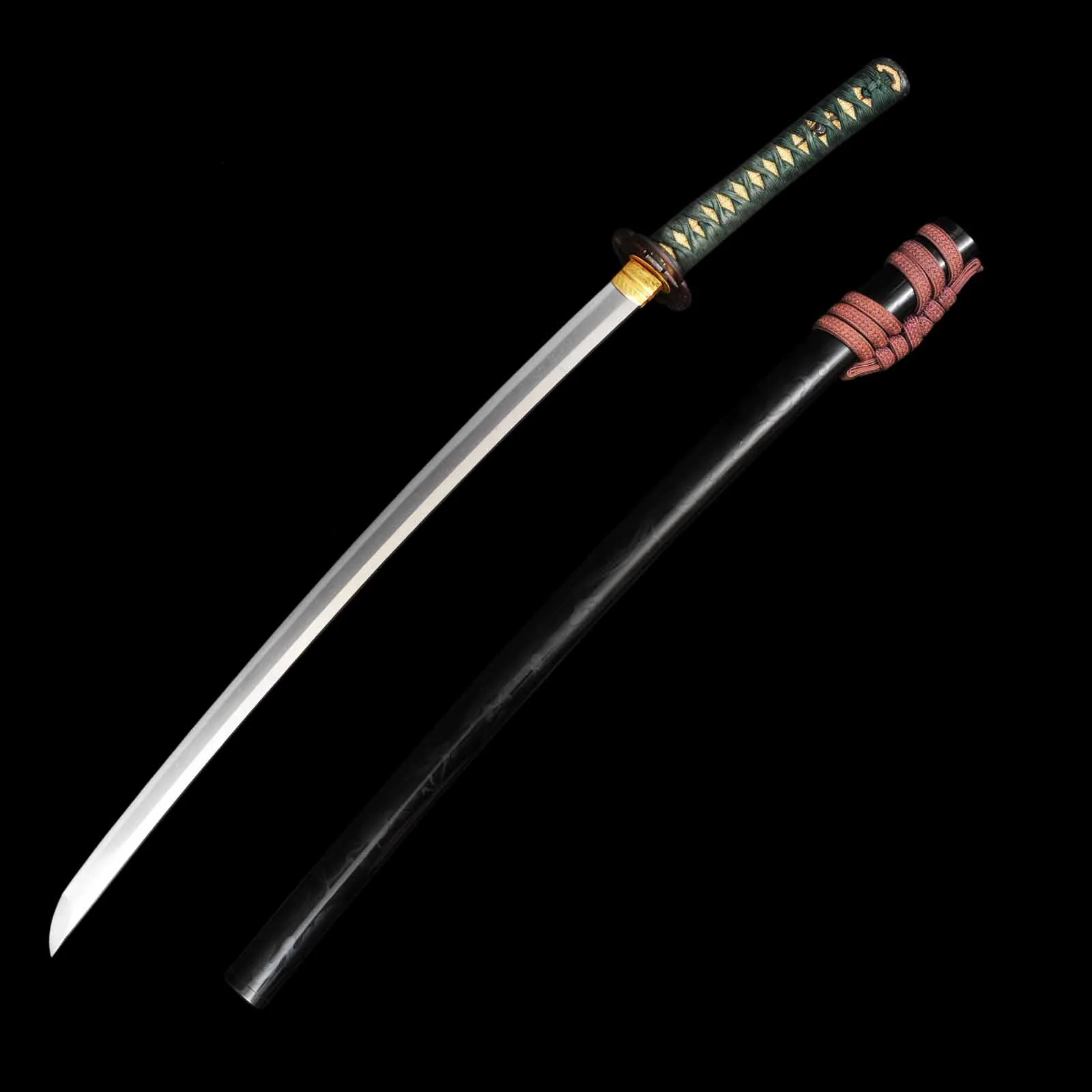
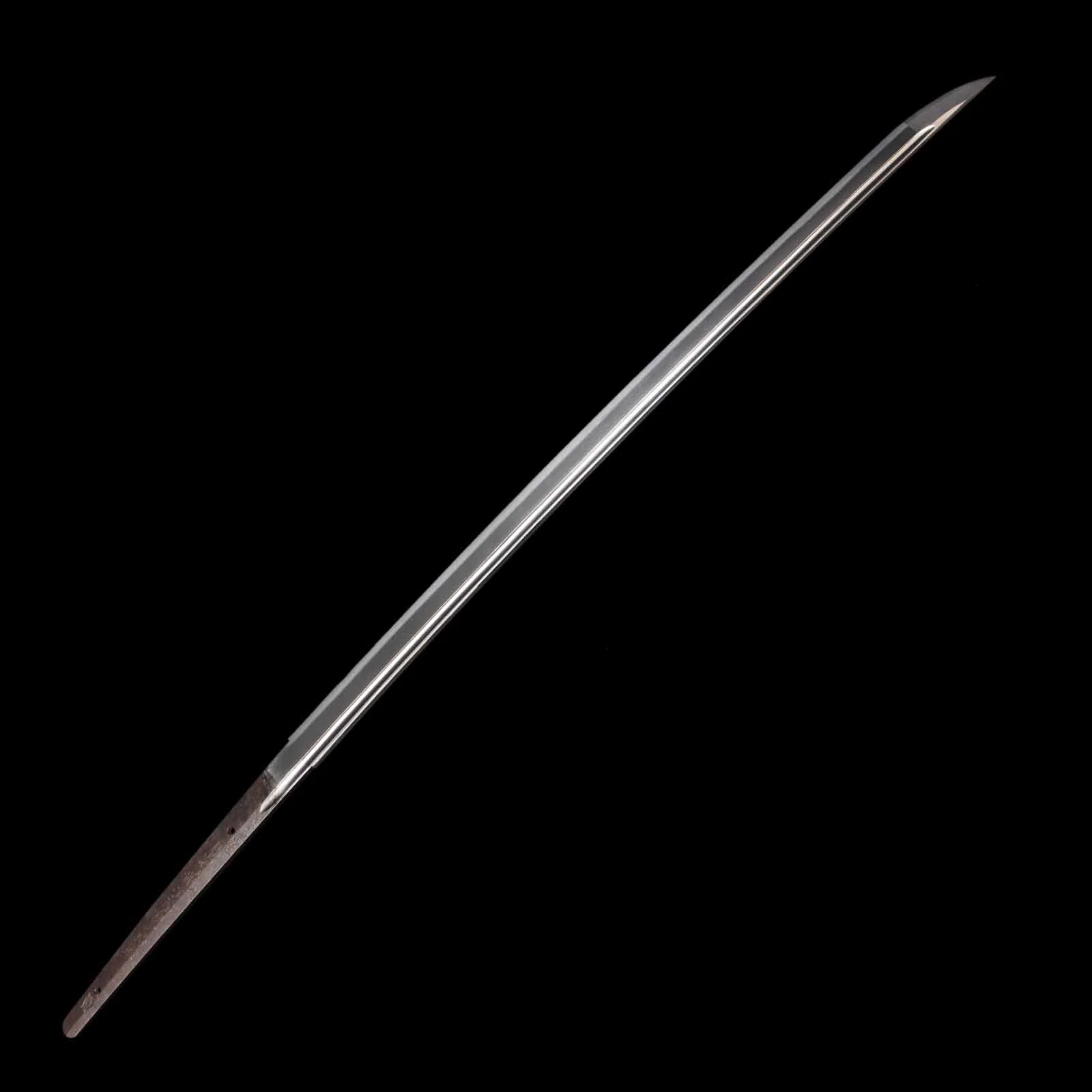
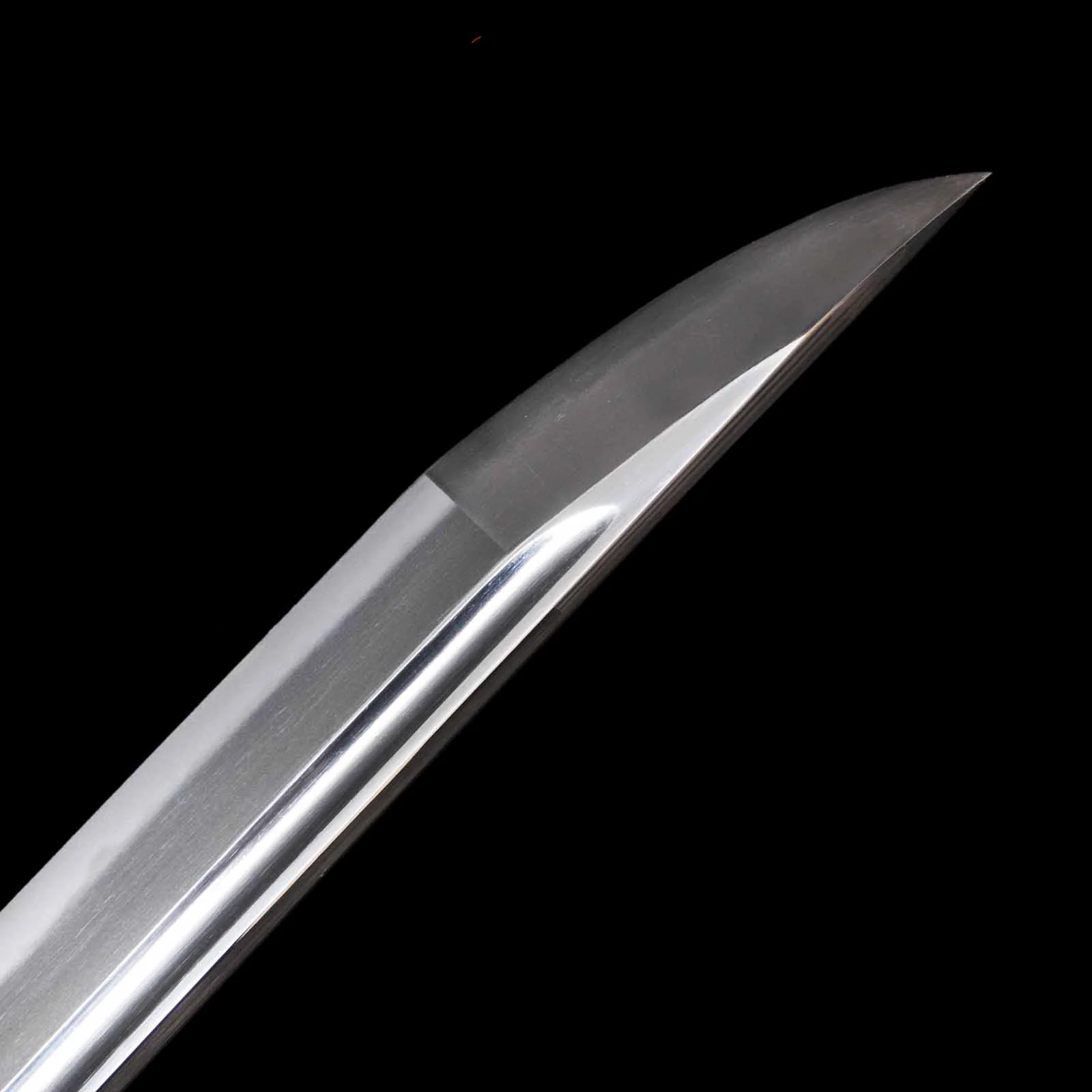
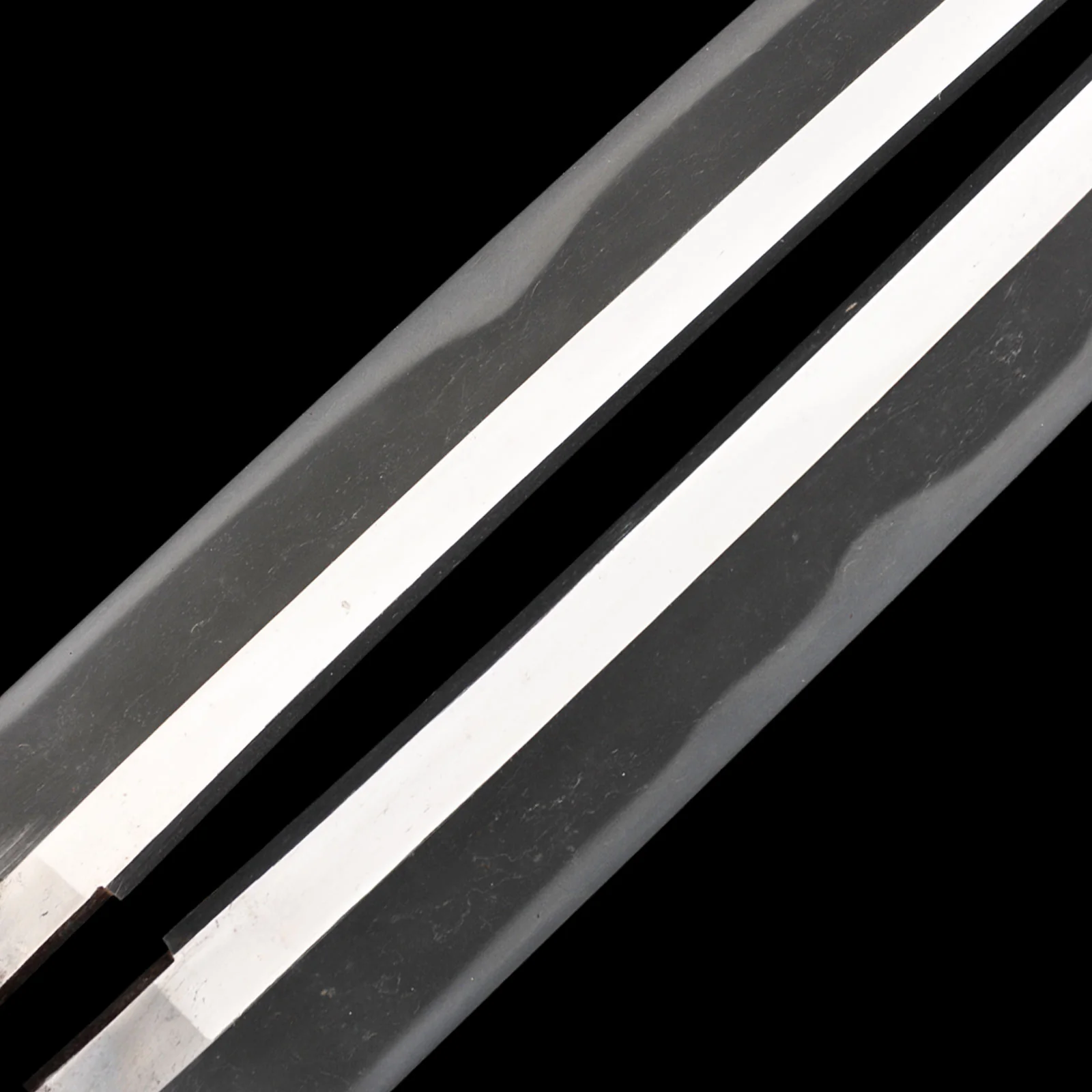
The blade is in polished condition and, remarkably, very nearly flawless. The workmanship of both ground and edge is outstanding, and — most notably for a blade of its age — it has suffered exceptionally little loss to past polishing: the hiraniku (the flesh of the blade) remains full and thick, giving it a substantial, weighty presence that is striking the moment it is taken in hand.
Over a powerful jigane of beautifully forged itame (wood-grain) steel, the smith has tempered a broad, gently rolling notare hamon that moves along the edge like a slow ocean swell.
The smith: Yamashiro Daijō Minamoto Kunishige
The Kunishige name stands at the head of the Mizuta school, which flourished in the Mizuta district of Bitchū province (present-day Okayama). The maker of this blade, Yamashiro Daijō Minamoto Kunishige, worked in Bitchū through the Kan'ei to Shōhō eras of the early Edo period (c. 1624–1648), and is counted among the smiths who built the school's golden age.
Mizuta Kunishige blades were trusted by daimyō houses and senior samurai as superbly sharp swords made for real use. The name "Kunishige" carried, for warriors who prized strength and victory, the weight of both a status symbol and a talisman — a reputation underscored by the fact that the famed swordsman Saitō Hajime, third-unit captain of the Shinsengumi, is traditionally said to have carried a blade by Settsu-no-kami Minamoto Kunishige of the same broader lineage.
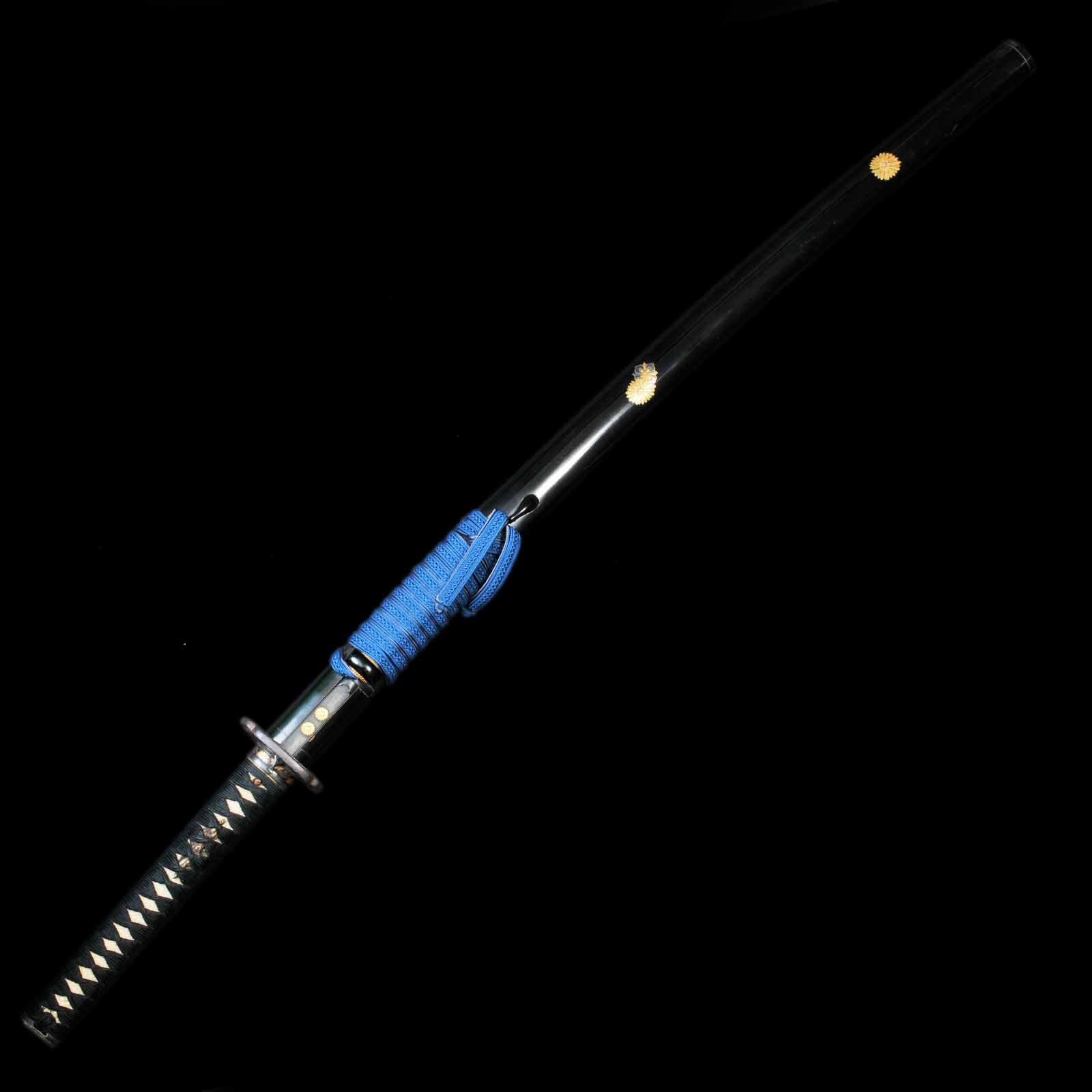
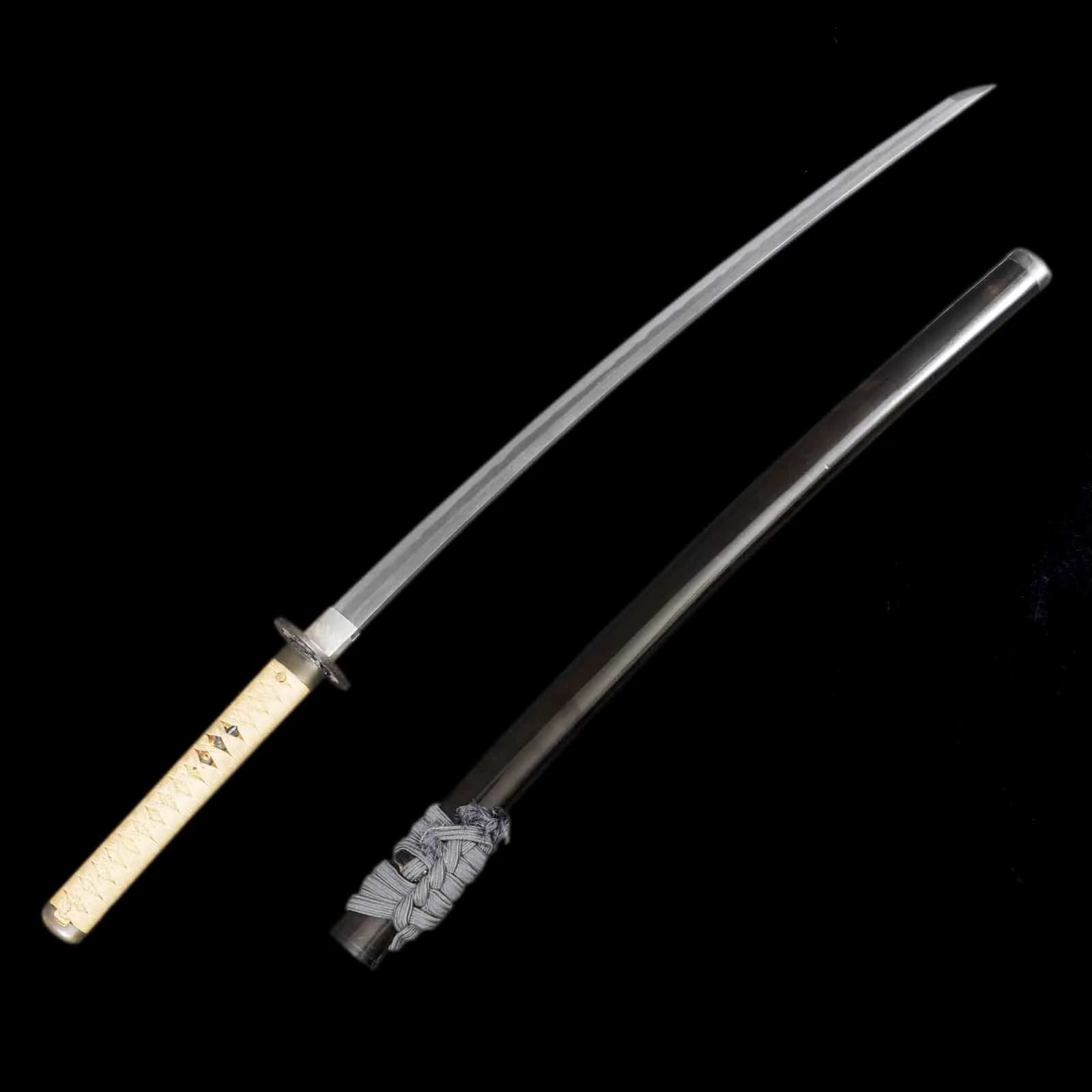
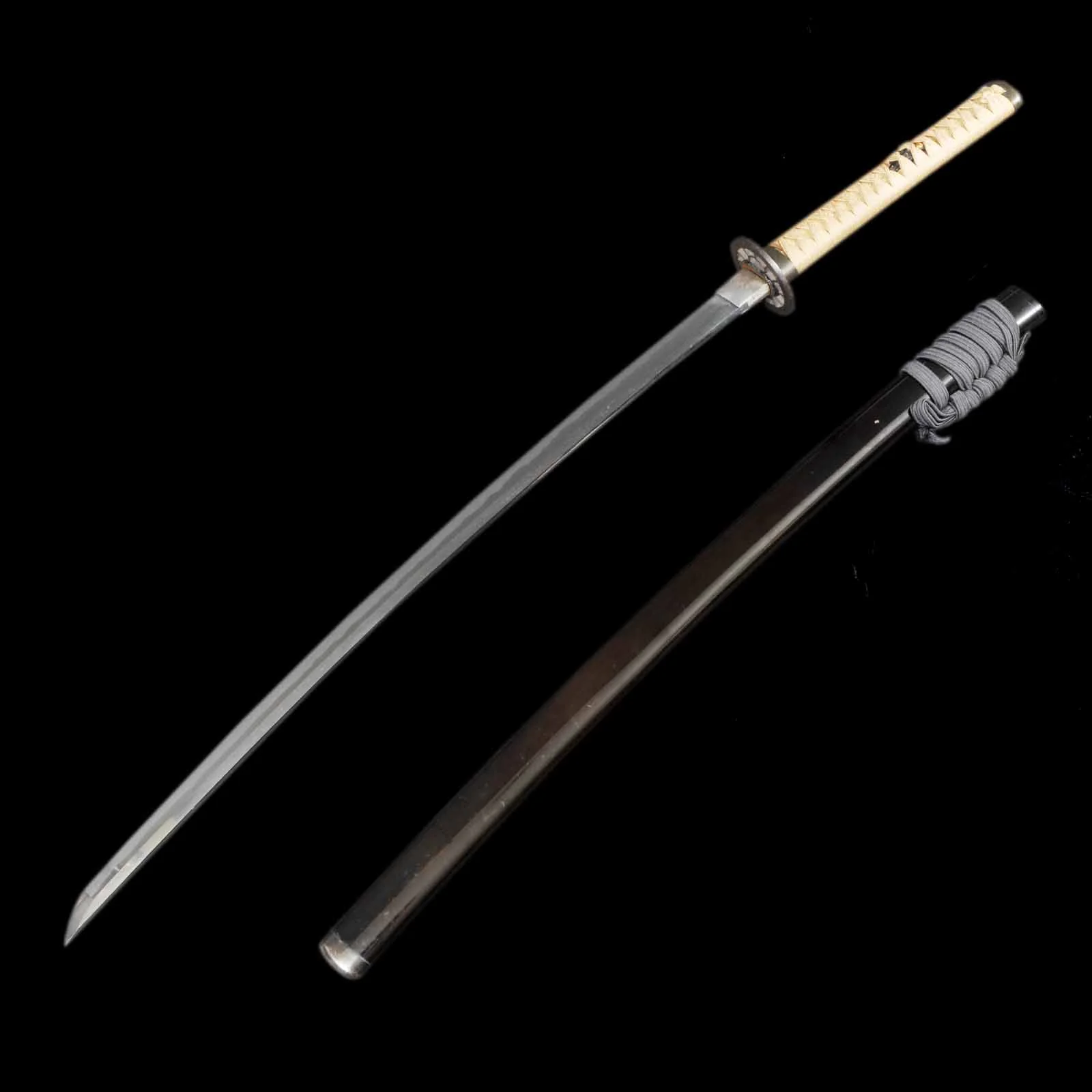
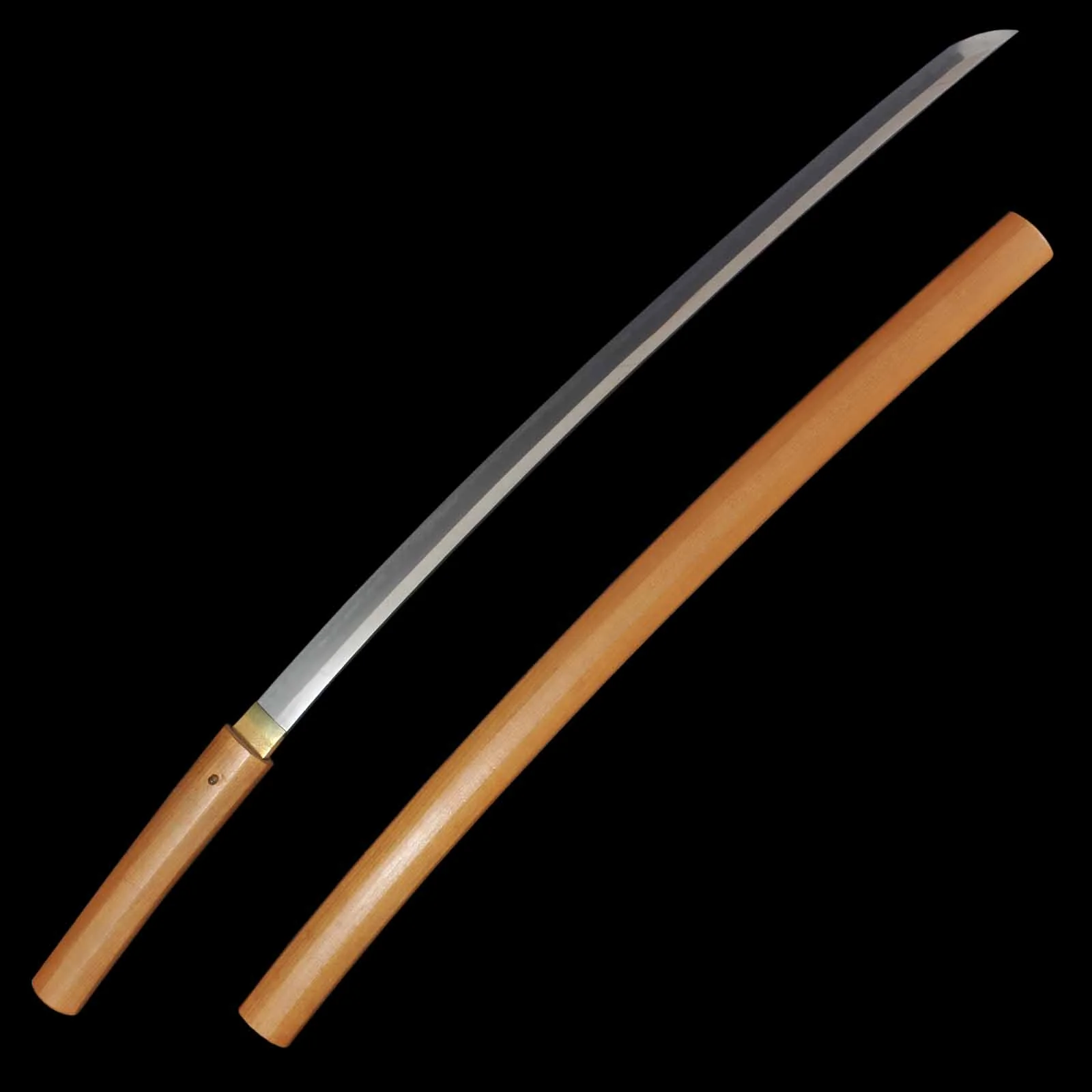
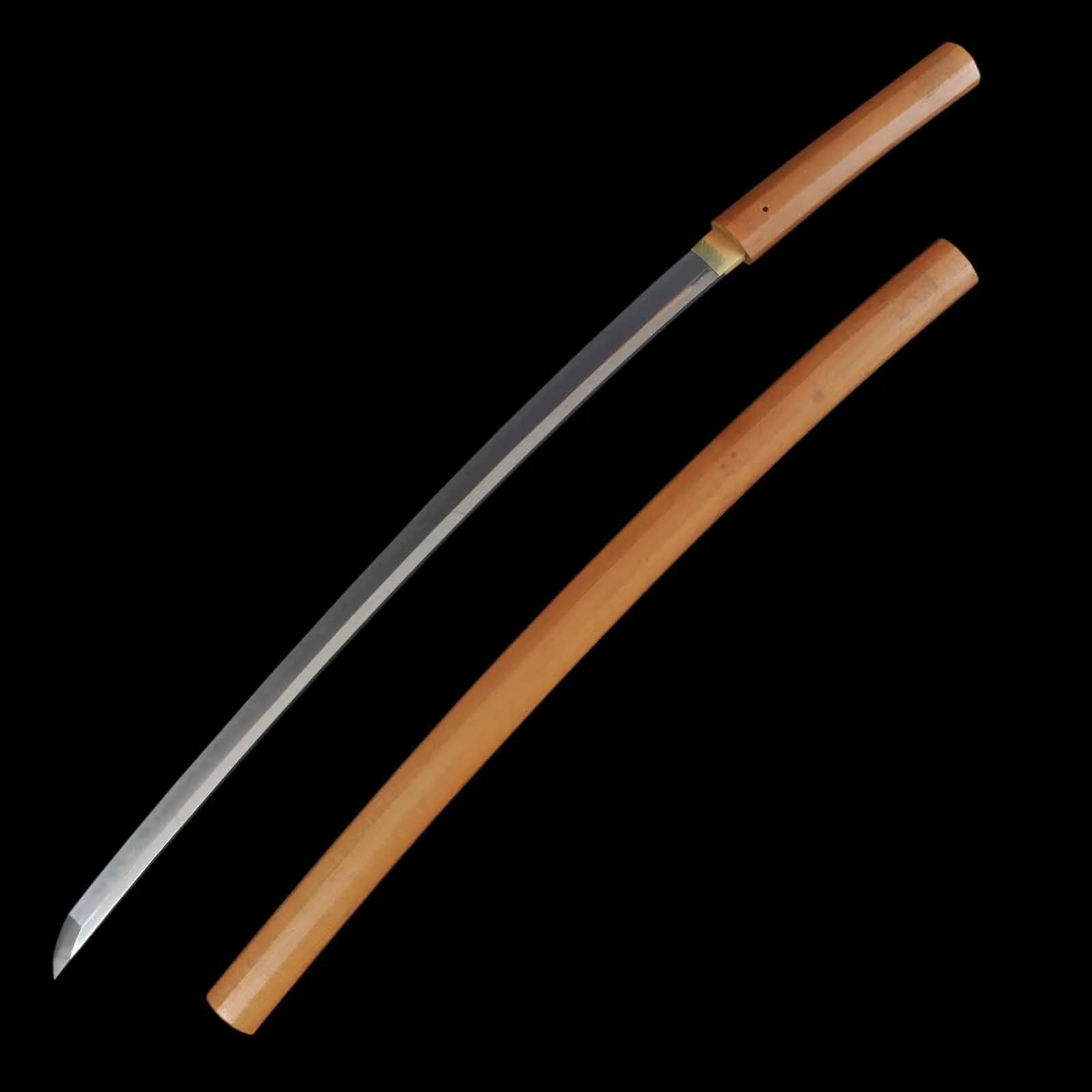
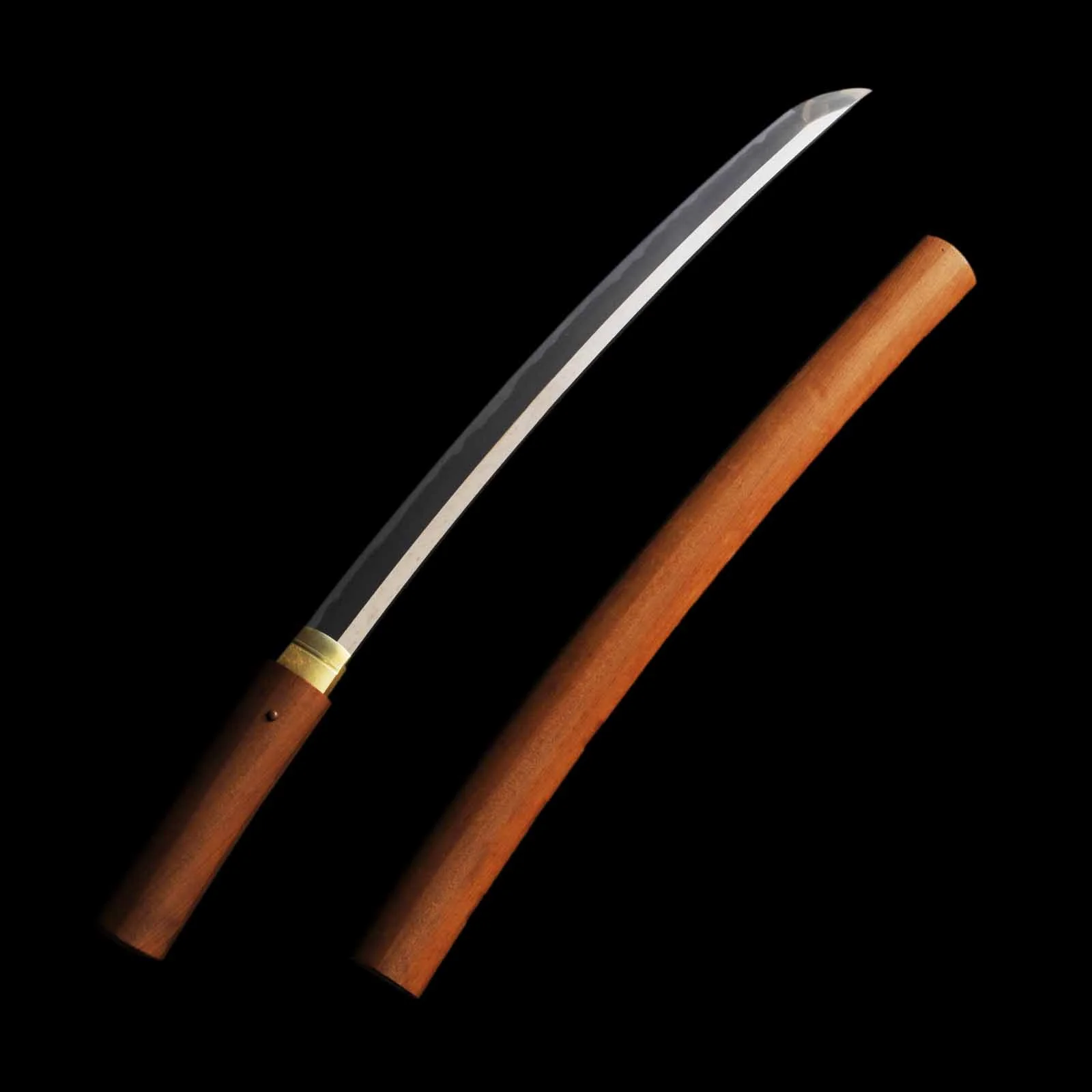
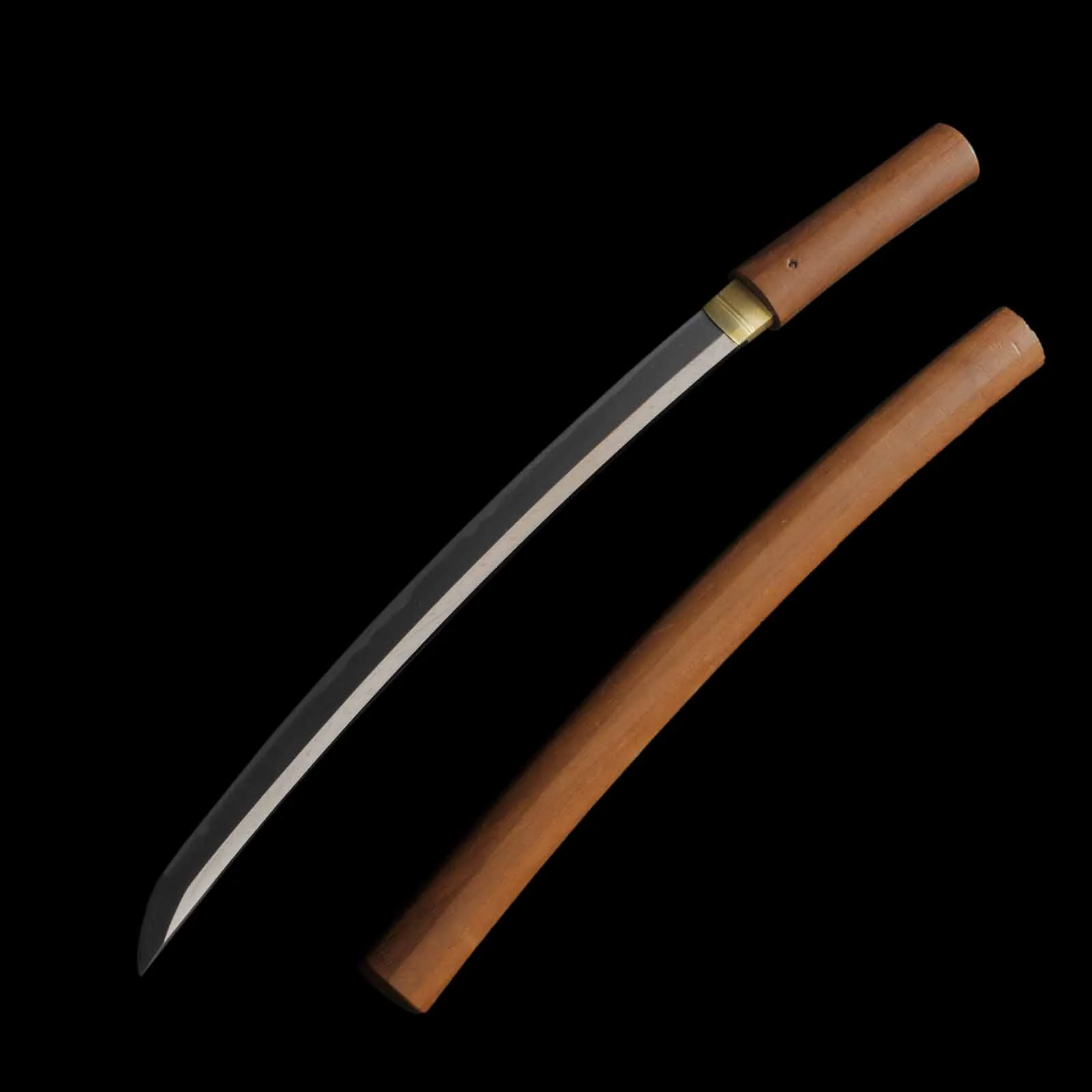
The blade is housed in a plain wood shirasaya, the traditional resting mount that protects the steel between viewings.
An NBTHK-papered wakizashi by Yamashiro Daijō Minamoto Kunishige of the Bitchū Mizuta school — full-bodied, near-flawless, and thick with untouched hiraniku — carrying both the fearsome cutting reputation of the Mizuta smiths and the storied prestige of the Kunishige name.
Specifications
- Type: Wakizashi (short sword)
- Signature (mei): omote — Yamashiro Daijō Minamoto Kunishige (山城大掾源国重); ura — Bitchū Mizuta-jū (備中水田住)
- School: Mizuta school, Bitchū province (present-day Okayama)
- Period: Early Edo, c. Kan'ei–Shōhō era (1624–1648)
- Jigane: itame-hada, strongly forged
- Hamon: broad, gentle notare
- Blade length (nagasa): 54.5 cm / 21.46 in (1 shaku 8 sun)
- Condition: polished; near-flawless, with full hiraniku and minimal loss to past polishing
- Construction: shinogi-zukuri
- Mounting: shirasaya
- Certification: NBTHK Hozon Tōken
- Torokushō (Japanese registration) No.: Okayama 70749

Details & Craftsmanship
Every detail has been carefully considered to bring you the perfect product.

Details & Craftsmanship
Every detail has been carefully considered to bring you the perfect product.

Details & Craftsmanship
Every detail has been carefully considered to bring you the perfect product.

Details & Craftsmanship
Every detail has been carefully considered to bring you the perfect product.
Details & Craftsmanship
Every detail has been carefully considered to bring you the perfect product.

Details & Craftsmanship
Every detail has been carefully considered to bring you the perfect product.

Details & Craftsmanship
Every detail has been carefully considered to bring you the perfect product.

Details & Craftsmanship
Every detail has been carefully considered to bring you the perfect product.

Details & Craftsmanship
Every detail has been carefully considered to bring you the perfect product.
Description
Antique Japanese Wakizashi, signed Yamashiro Daijō Minamoto Kunishige — NBTHK Hozon Tōken
Bitchū Mizuta school · Early Edo period, c. Kan'ei–Shōhō era (1624–1648)
Accompanied by an NBTHK Hozon Tōken ("Sword Worthy of Preservation") certificate.
A superb wakizashi, its quality and historical importance confirmed by the NBTHK Hozon Tōken certificate of the Society for the Preservation of Japanese Art Swords. The tang is crisply signed Yamashiro Daijō Minamoto Kunishige (山城大掾源国重) on the omote and Bitchū Mizuta-jū (備中水田住) on the reverse — the mark of the celebrated Mizuta school of Bitchū, whose blades earned a formidable reputation in the early Edo period as practical swords beloved of the samurai.
Workmanship and condition
The blade is in polished condition and, remarkably, very nearly flawless. The workmanship of both ground and edge is outstanding, and — most notably for a blade of its age — it has suffered exceptionally little loss to past polishing: the hiraniku (the flesh of the blade) remains full and thick, giving it a substantial, weighty presence that is striking the moment it is taken in hand.
Over a powerful jigane of beautifully forged itame (wood-grain) steel, the smith has tempered a broad, gently rolling notare hamon that moves along the edge like a slow ocean swell.
The smith: Yamashiro Daijō Minamoto Kunishige
The Kunishige name stands at the head of the Mizuta school, which flourished in the Mizuta district of Bitchū province (present-day Okayama). The maker of this blade, Yamashiro Daijō Minamoto Kunishige, worked in Bitchū through the Kan'ei to Shōhō eras of the early Edo period (c. 1624–1648), and is counted among the smiths who built the school's golden age.
Mizuta Kunishige blades were trusted by daimyō houses and senior samurai as superbly sharp swords made for real use. The name "Kunishige" carried, for warriors who prized strength and victory, the weight of both a status symbol and a talisman — a reputation underscored by the fact that the famed swordsman Saitō Hajime, third-unit captain of the Shinsengumi, is traditionally said to have carried a blade by Settsu-no-kami Minamoto Kunishige of the same broader lineage.
The blade is housed in a plain wood shirasaya, the traditional resting mount that protects the steel between viewings.
An NBTHK-papered wakizashi by Yamashiro Daijō Minamoto Kunishige of the Bitchū Mizuta school — full-bodied, near-flawless, and thick with untouched hiraniku — carrying both the fearsome cutting reputation of the Mizuta smiths and the storied prestige of the Kunishige name.
Specifications
- Type: Wakizashi (short sword)
- Signature (mei): omote — Yamashiro Daijō Minamoto Kunishige (山城大掾源国重); ura — Bitchū Mizuta-jū (備中水田住)
- School: Mizuta school, Bitchū province (present-day Okayama)
- Period: Early Edo, c. Kan'ei–Shōhō era (1624–1648)
- Jigane: itame-hada, strongly forged
- Hamon: broad, gentle notare
- Blade length (nagasa): 54.5 cm / 21.46 in (1 shaku 8 sun)
- Condition: polished; near-flawless, with full hiraniku and minimal loss to past polishing
- Construction: shinogi-zukuri
- Mounting: shirasaya
- Certification: NBTHK Hozon Tōken
- Torokushō (Japanese registration) No.: Okayama 70749