Original: $803.53
-65%$803.53
$281.24The Story
Antique Japanese Tantō, unsigned (mumei) — mid-Edo period
A genuine antique short sword — an ideal first nihontō
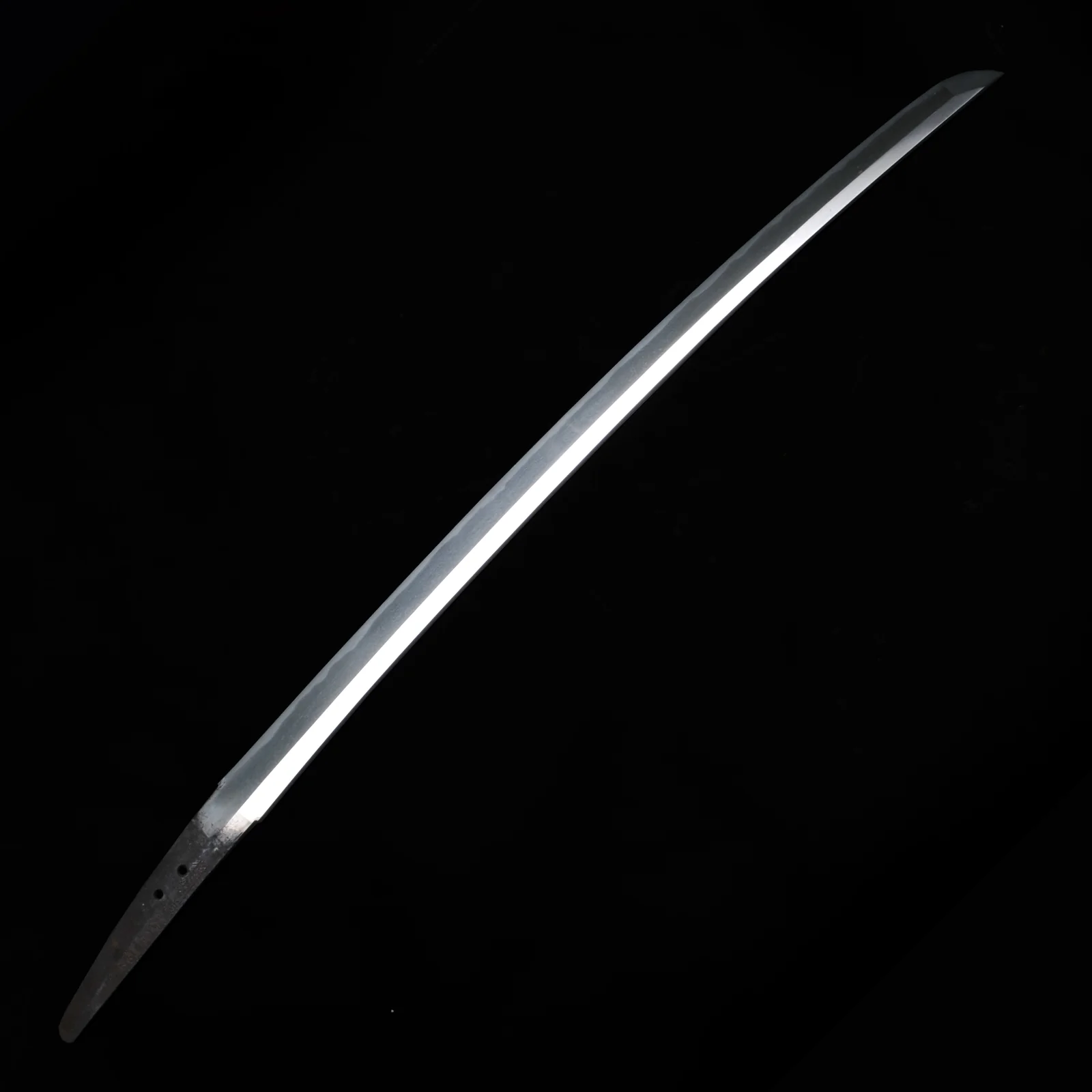
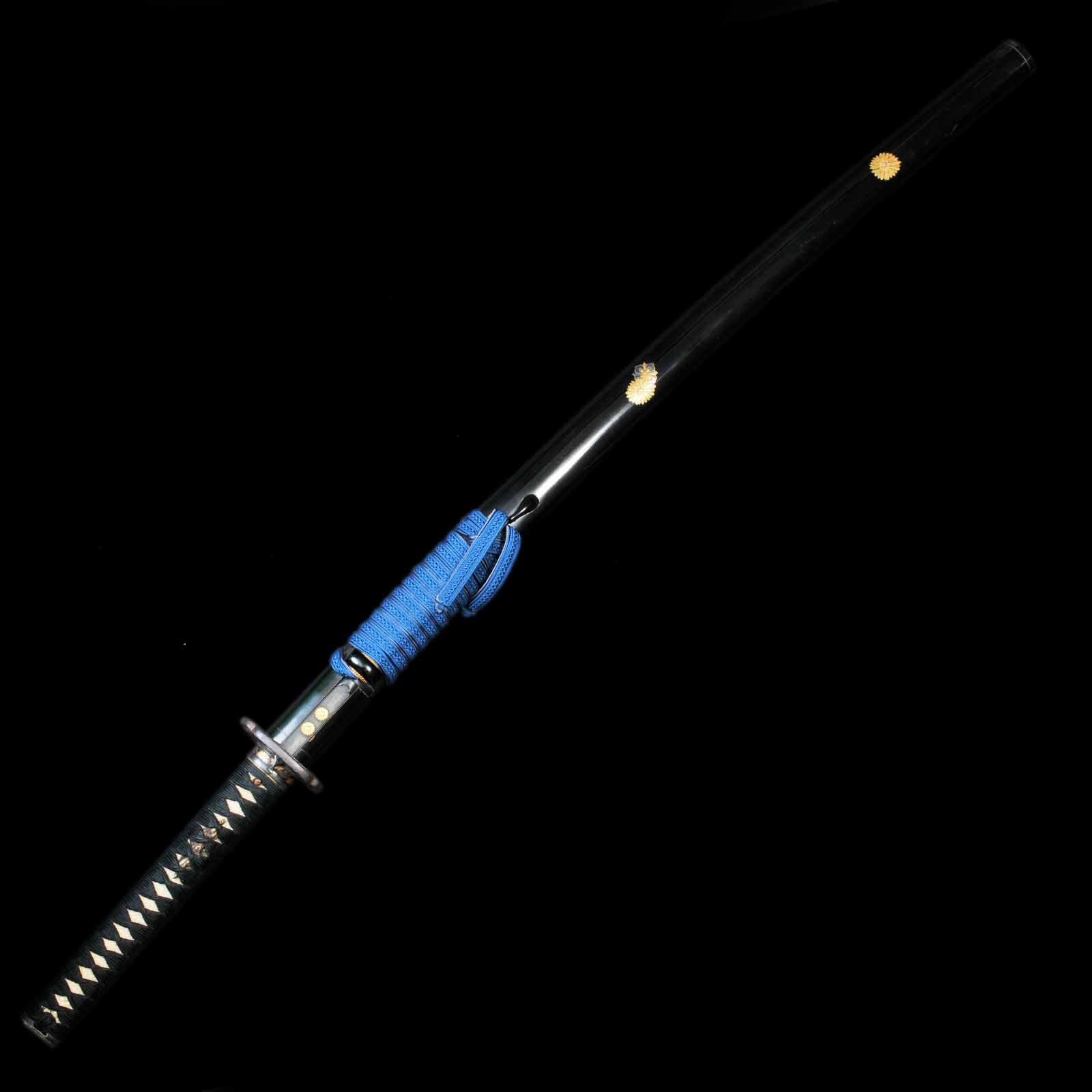
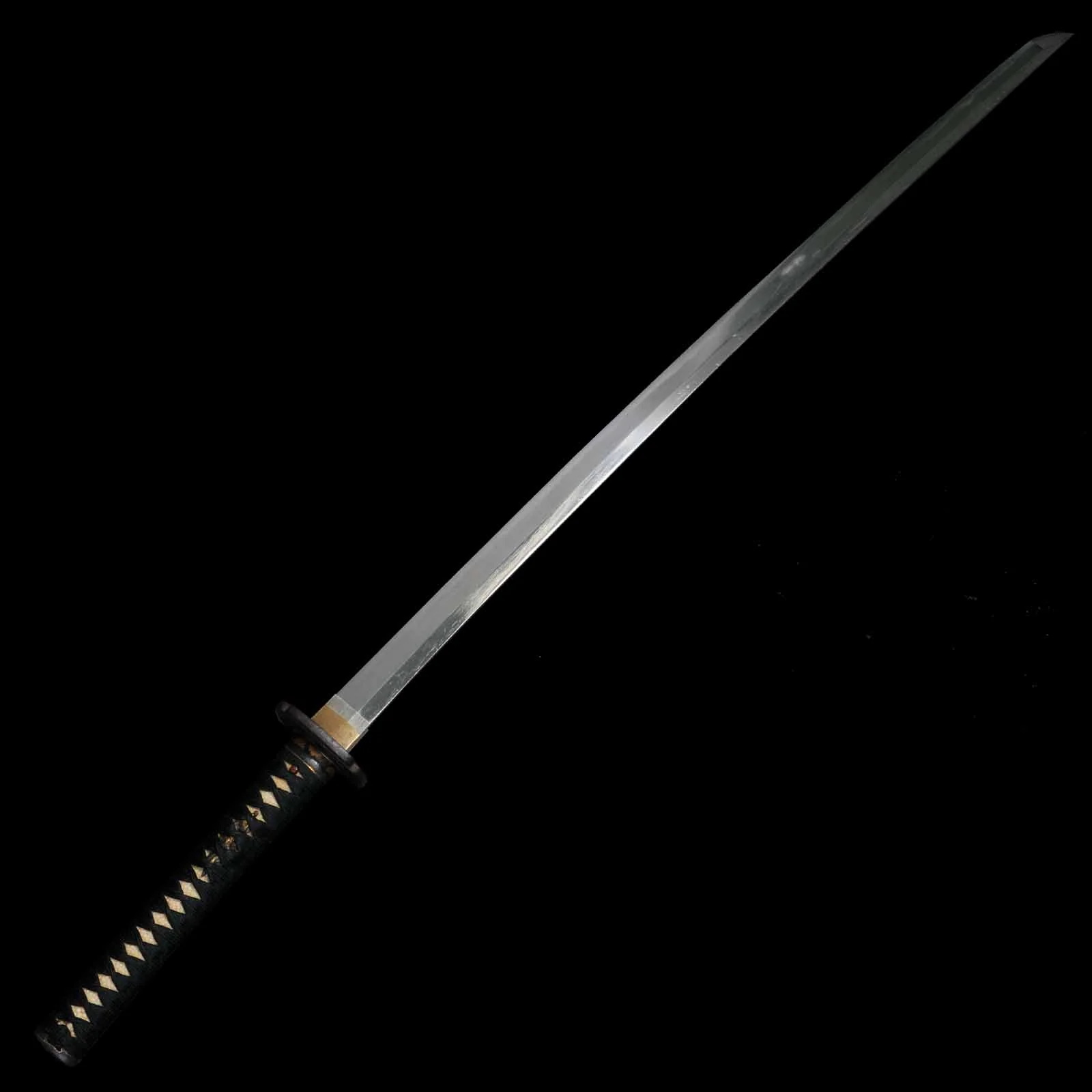
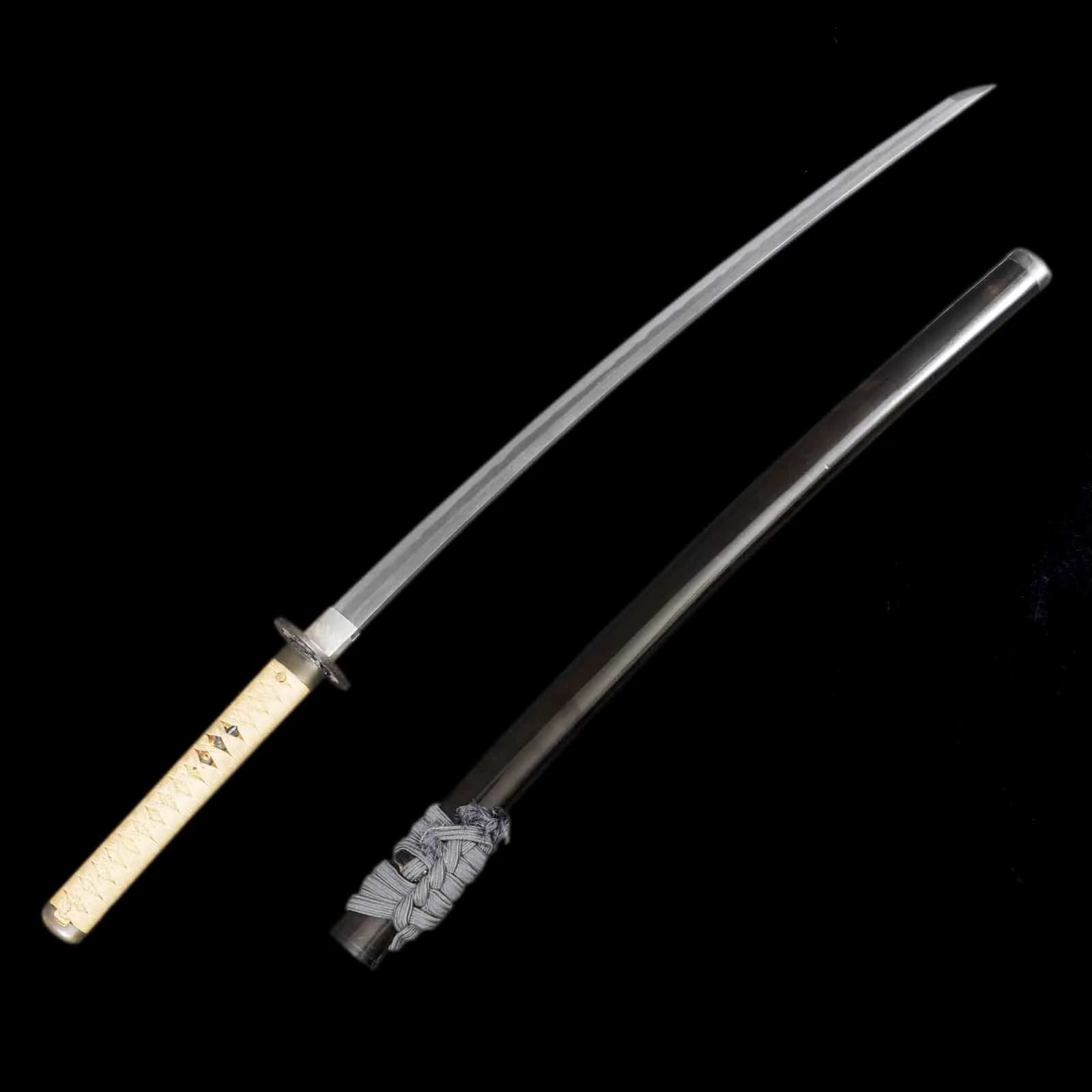
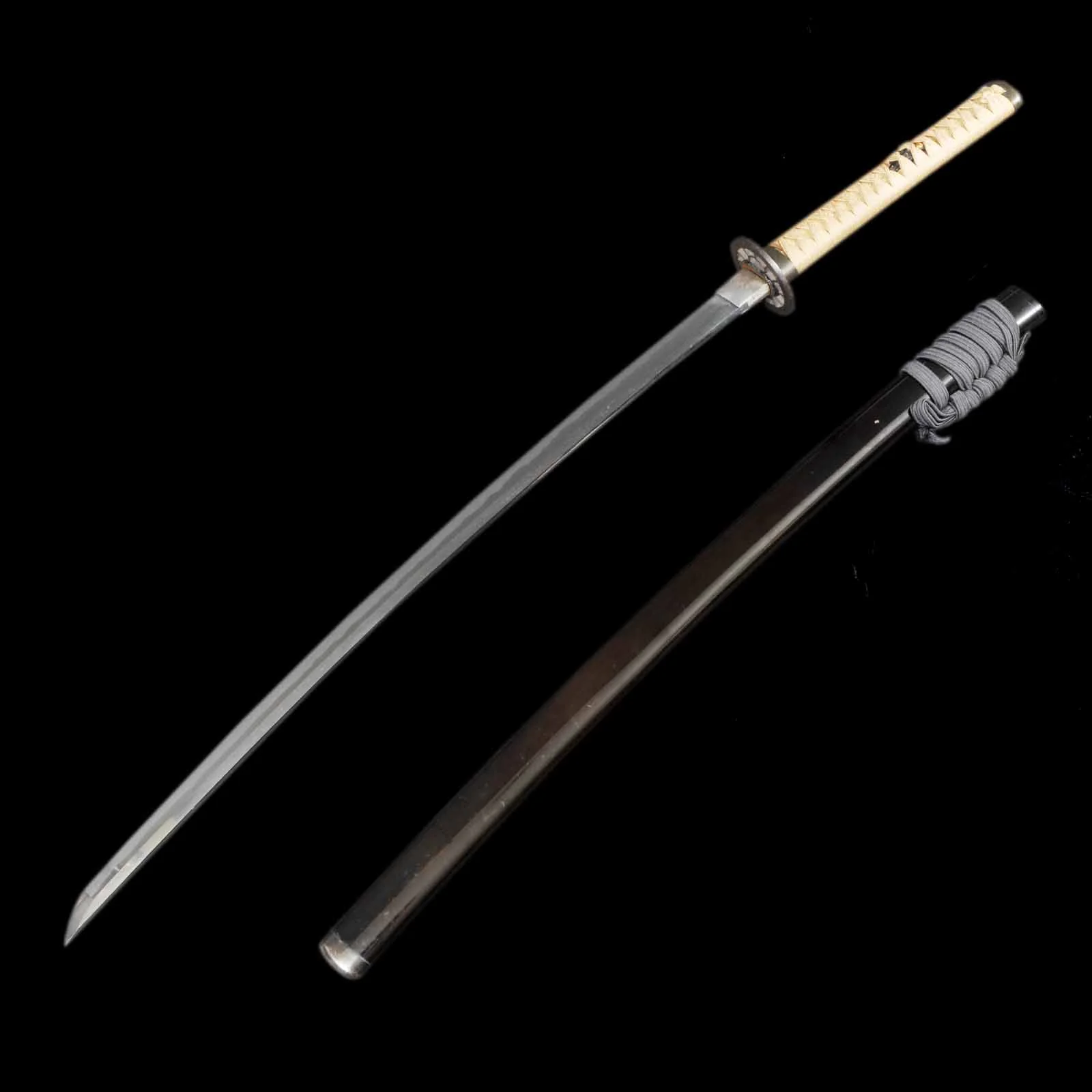
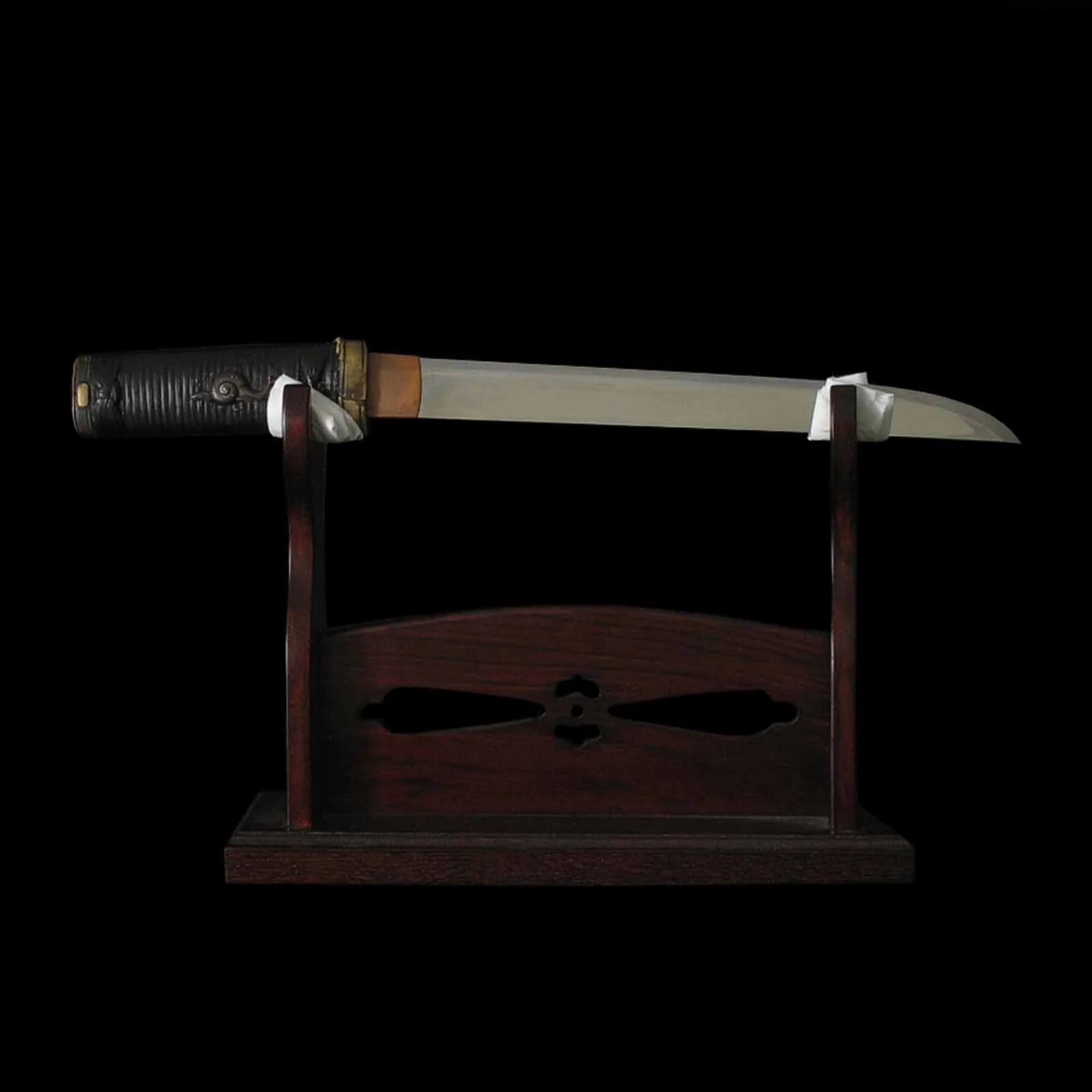
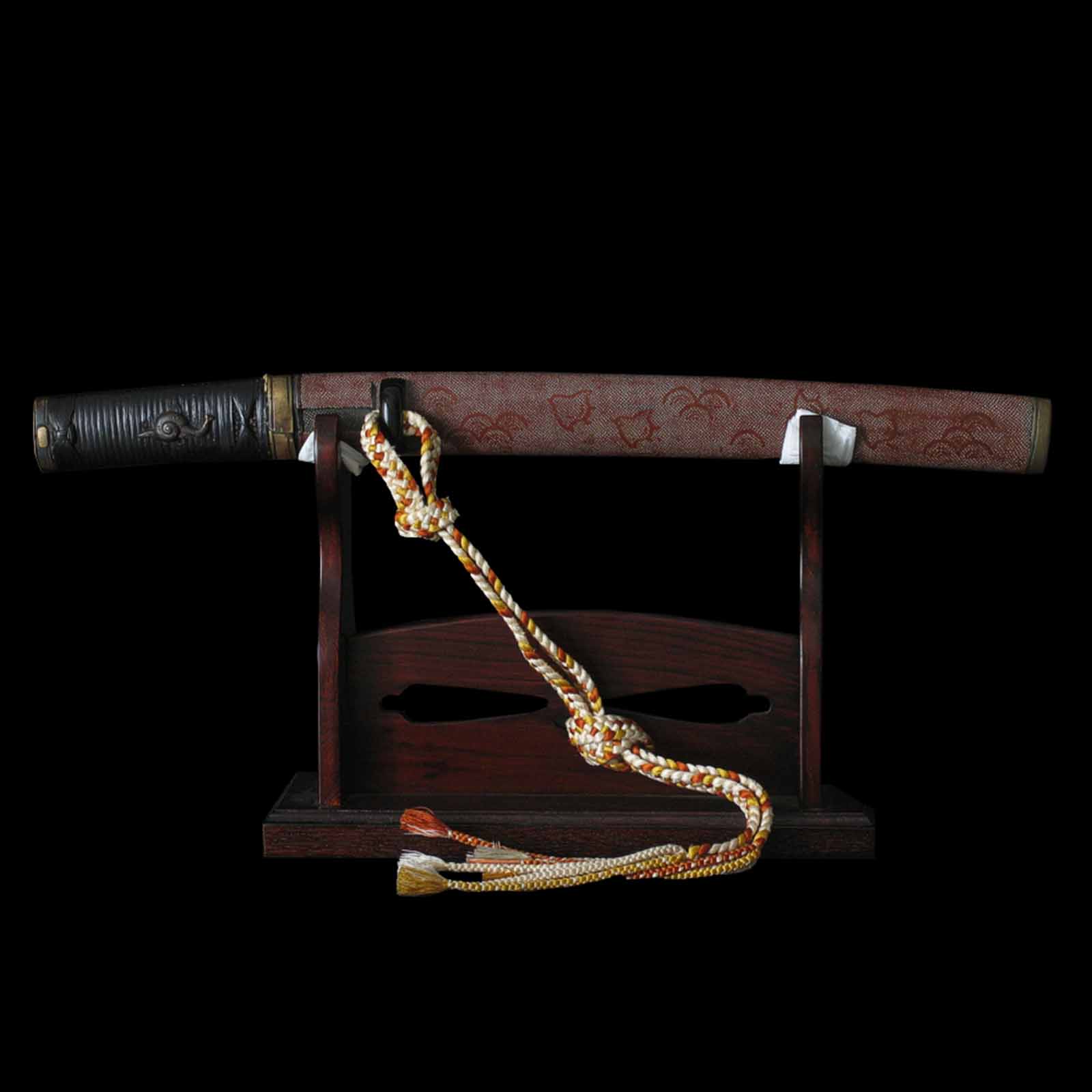
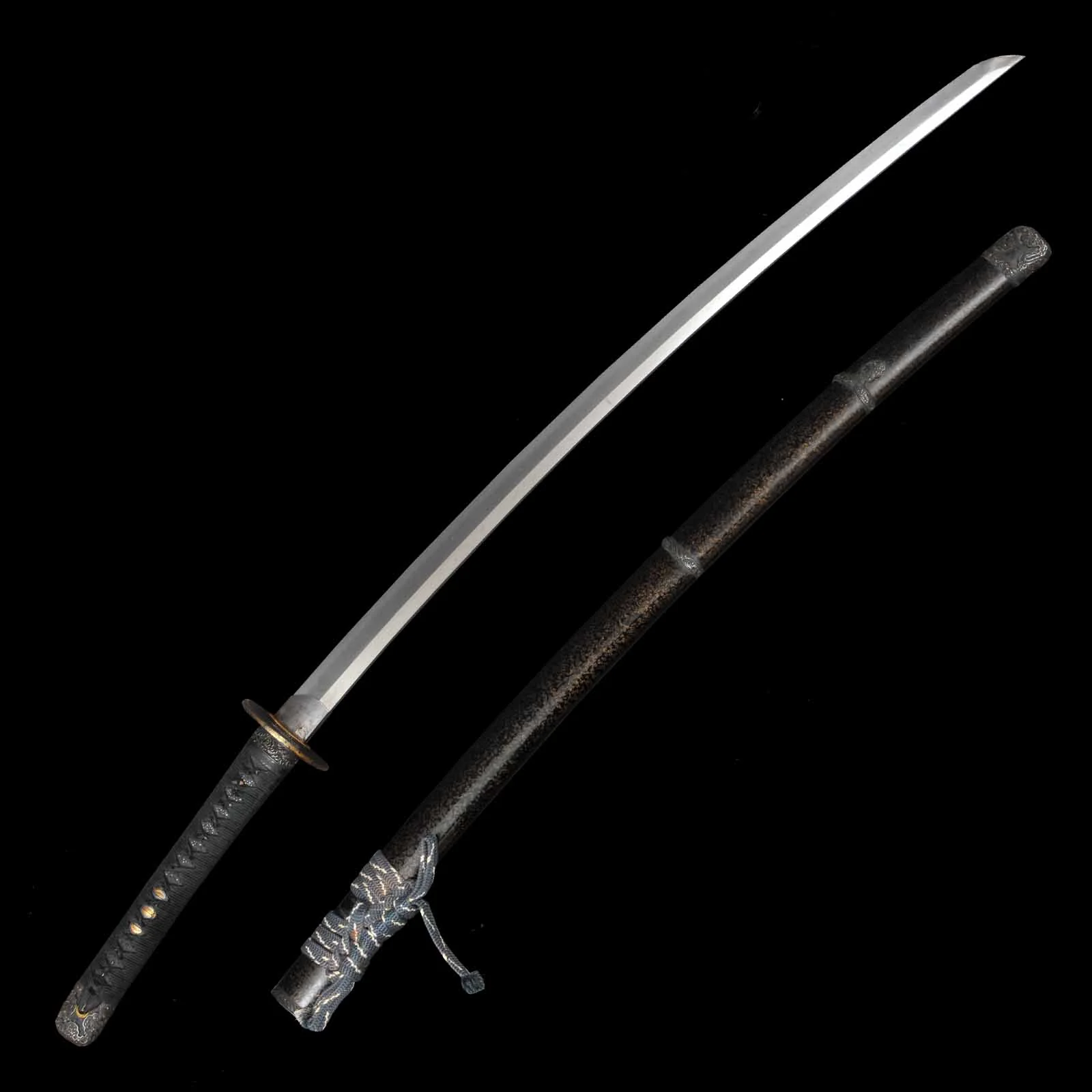
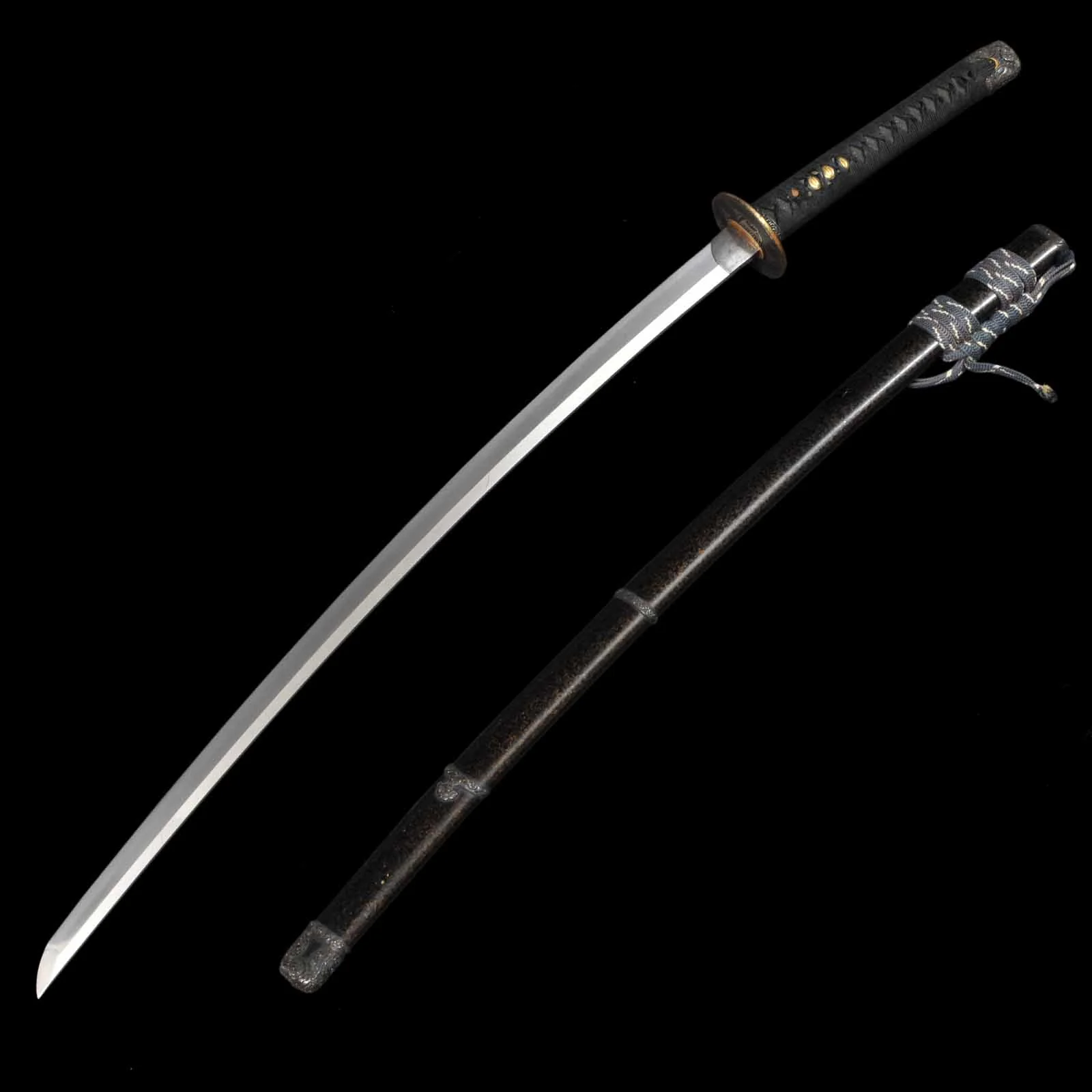
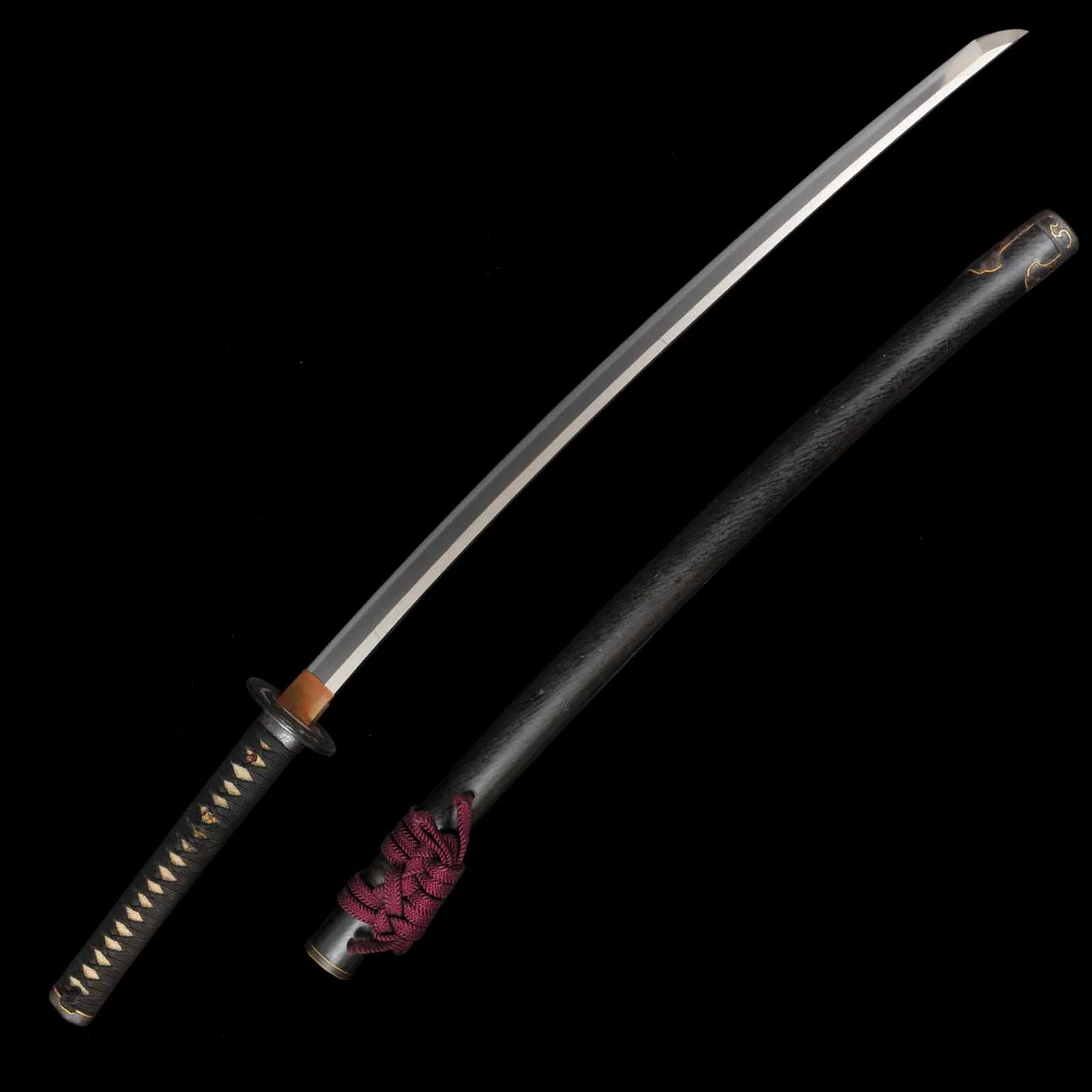
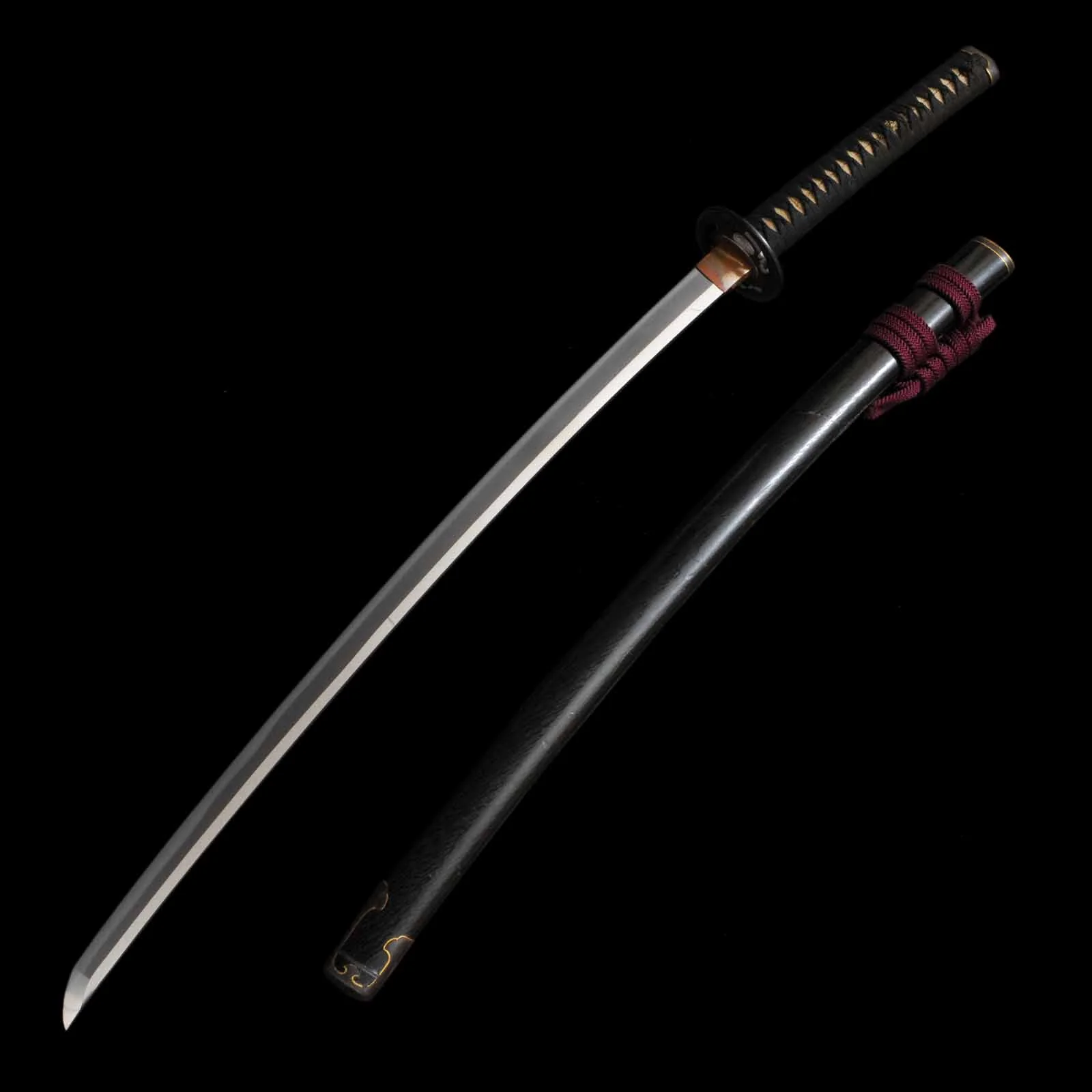
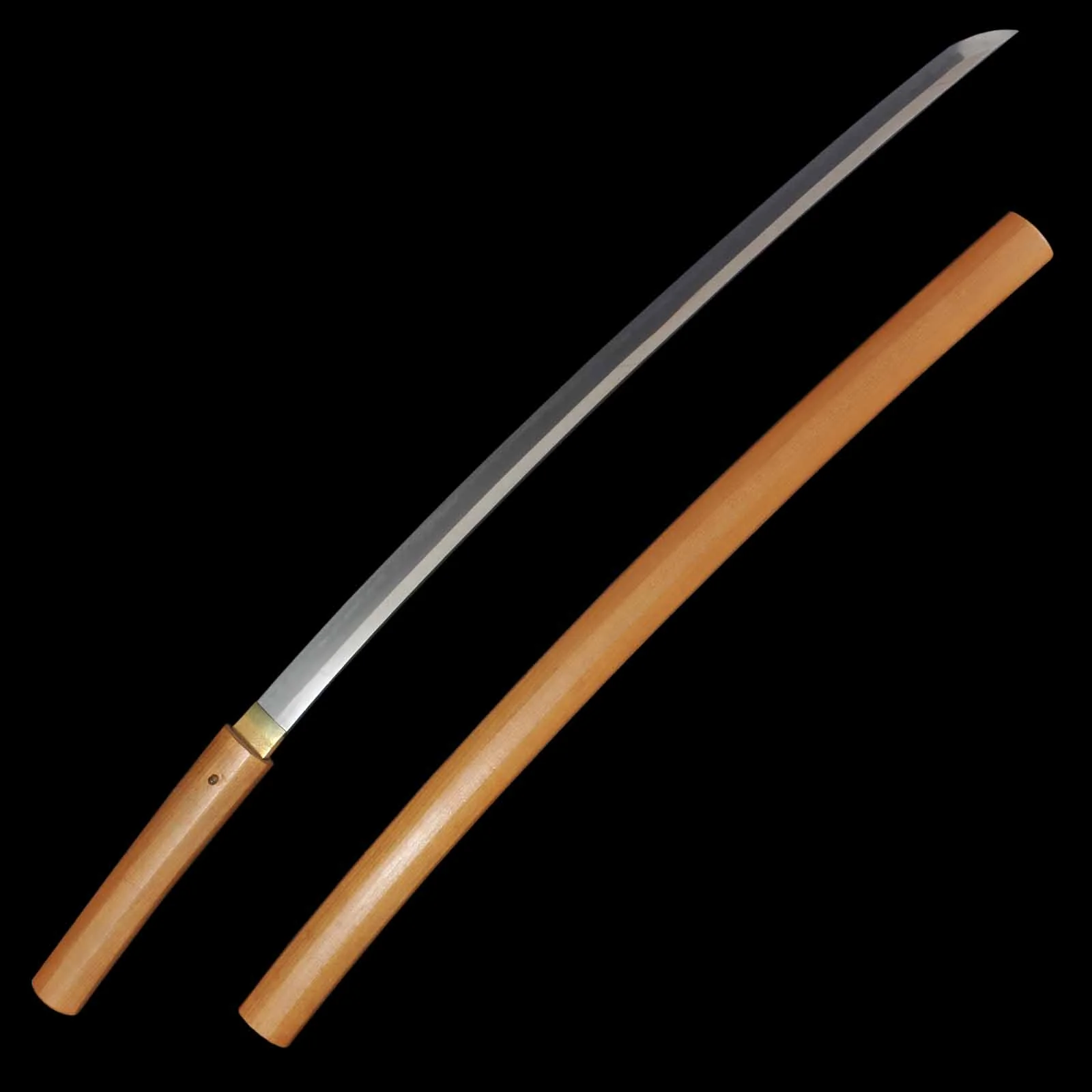
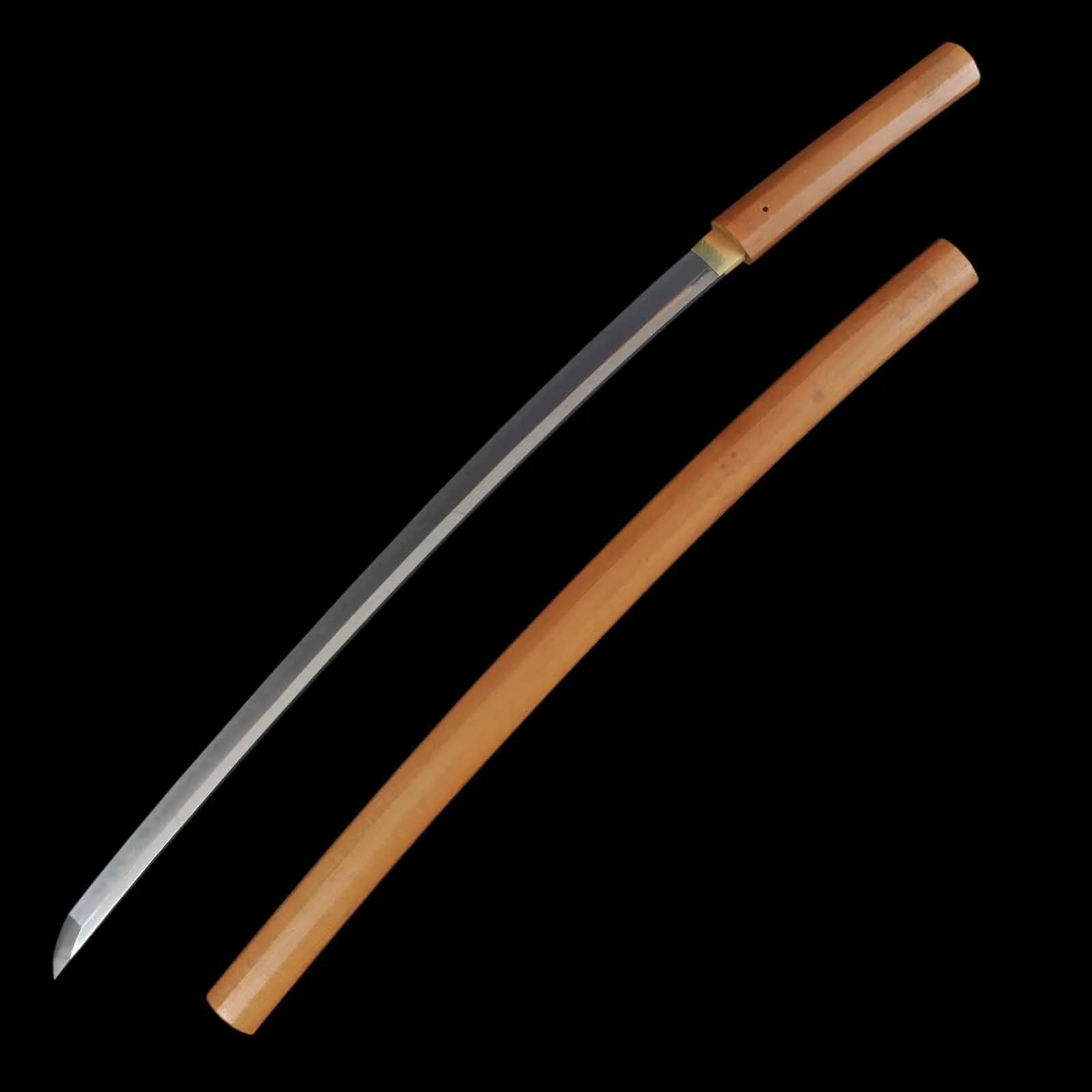
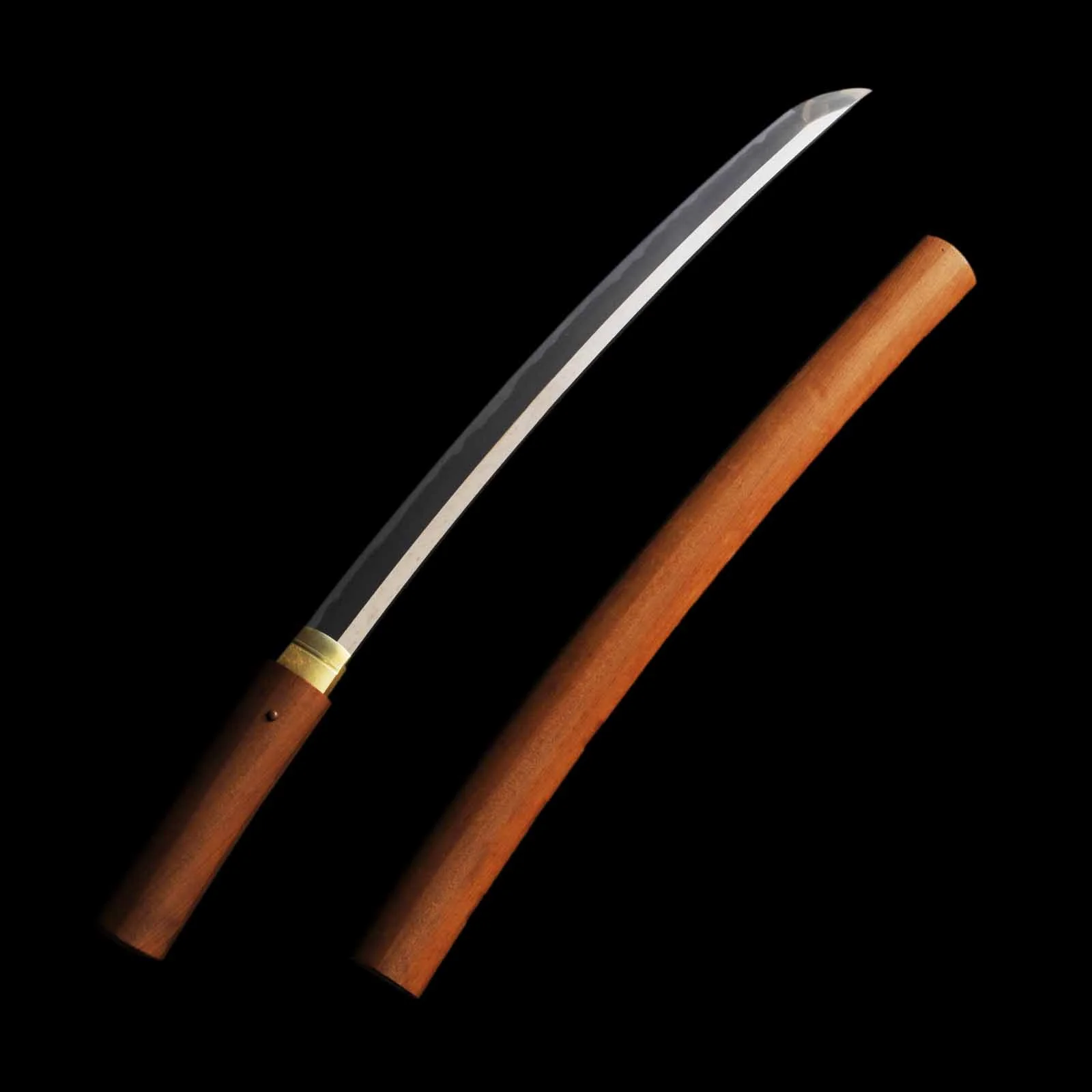
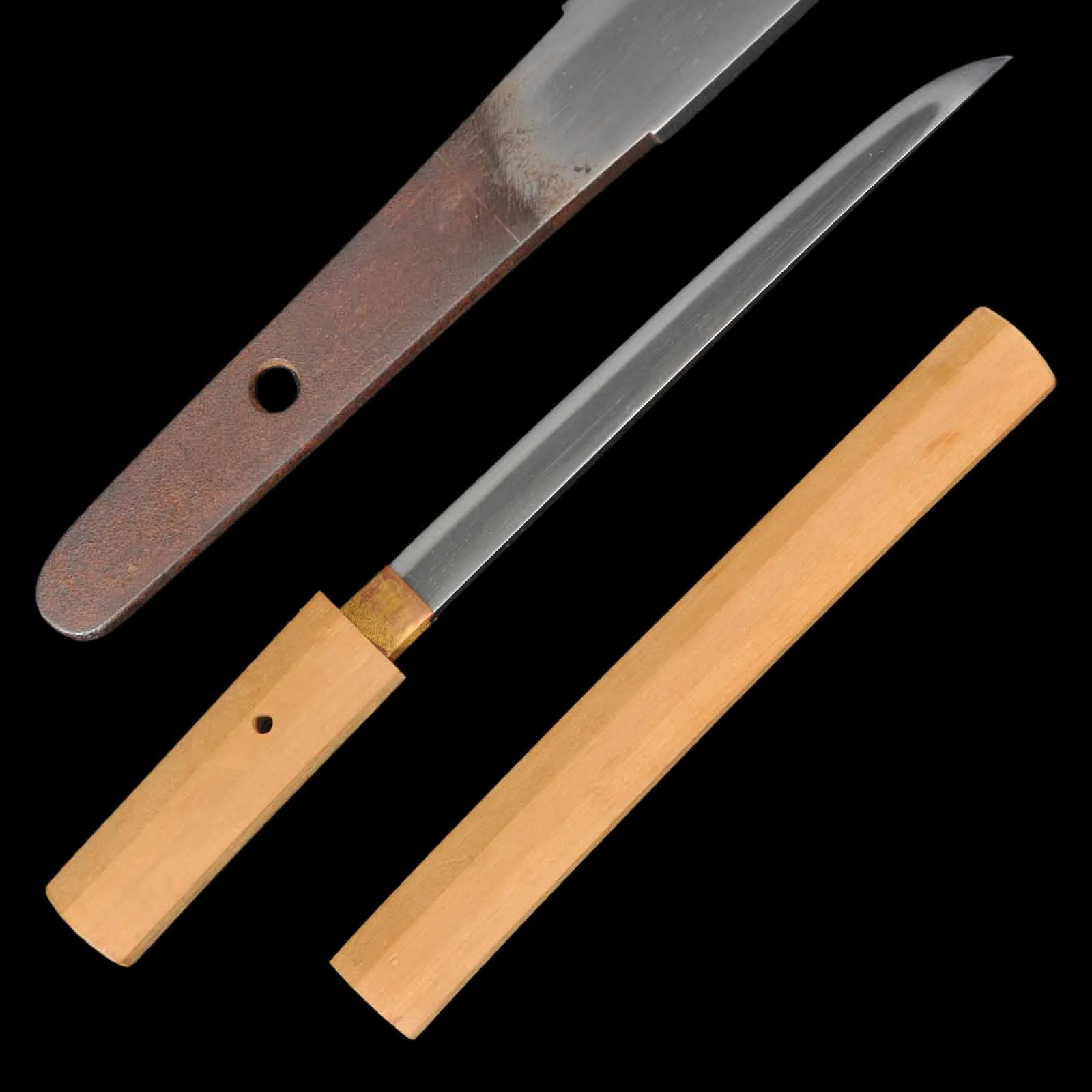
This is an unsigned (mumei) tantō in original, un-shortened (ubu) condition, judged to date from the mid-Edo period (18th century). At 23 cm, it is a full, classic tantō length, with the calm, dignified presence of a straight-tempered blade. Offered at an approachable price, it is an excellent first genuine Japanese sword for the newcomer — and a quietly refined study piece for any collector.
A genuine antique, made to be enjoyed
Many people who admire Japanese swords assume that owning a real, antique, traditionally-forged nihontō is out of reach. This tantō is proof that it need not be. It is not a reproduction or a modern copy but a genuine Edo-period blade, hand-forged in tamahagane steel and water-quenched in the age-old way — the same craft as the great swords of the samurai. For a first purchase, it lets the new collector hold and study the real thing: the grain of the steel, the temper line, the quiet curve of the blade.
Form, workmanship and condition
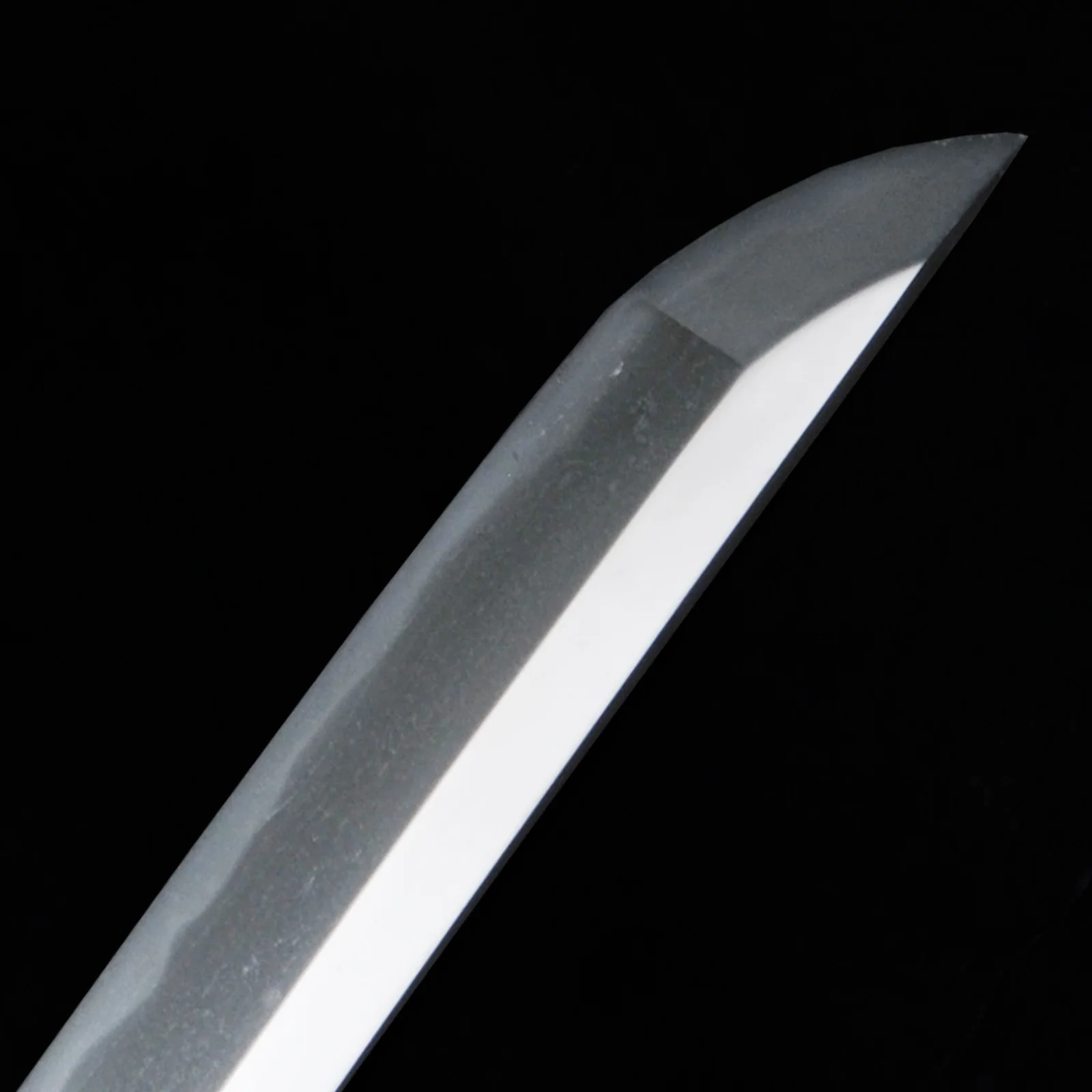
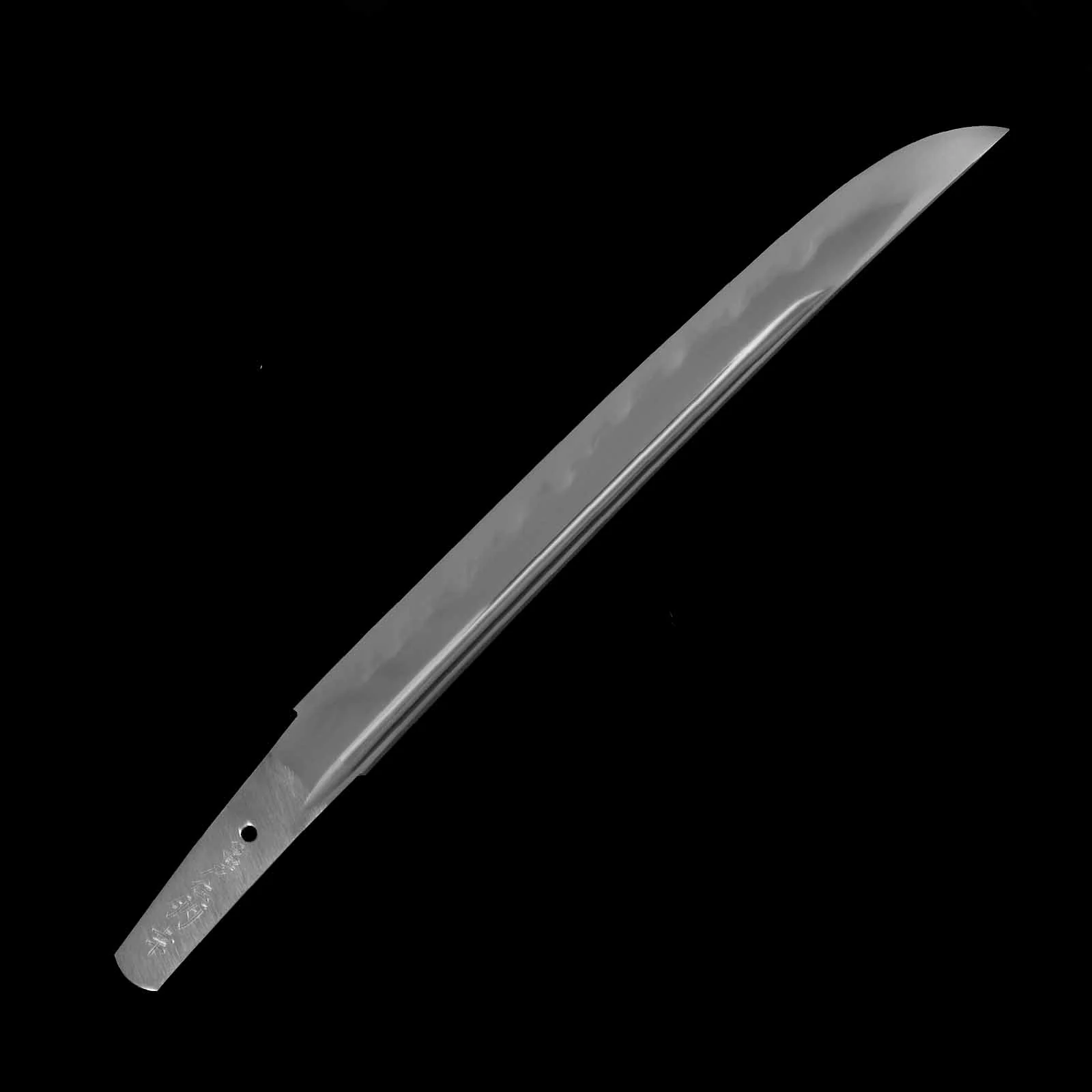
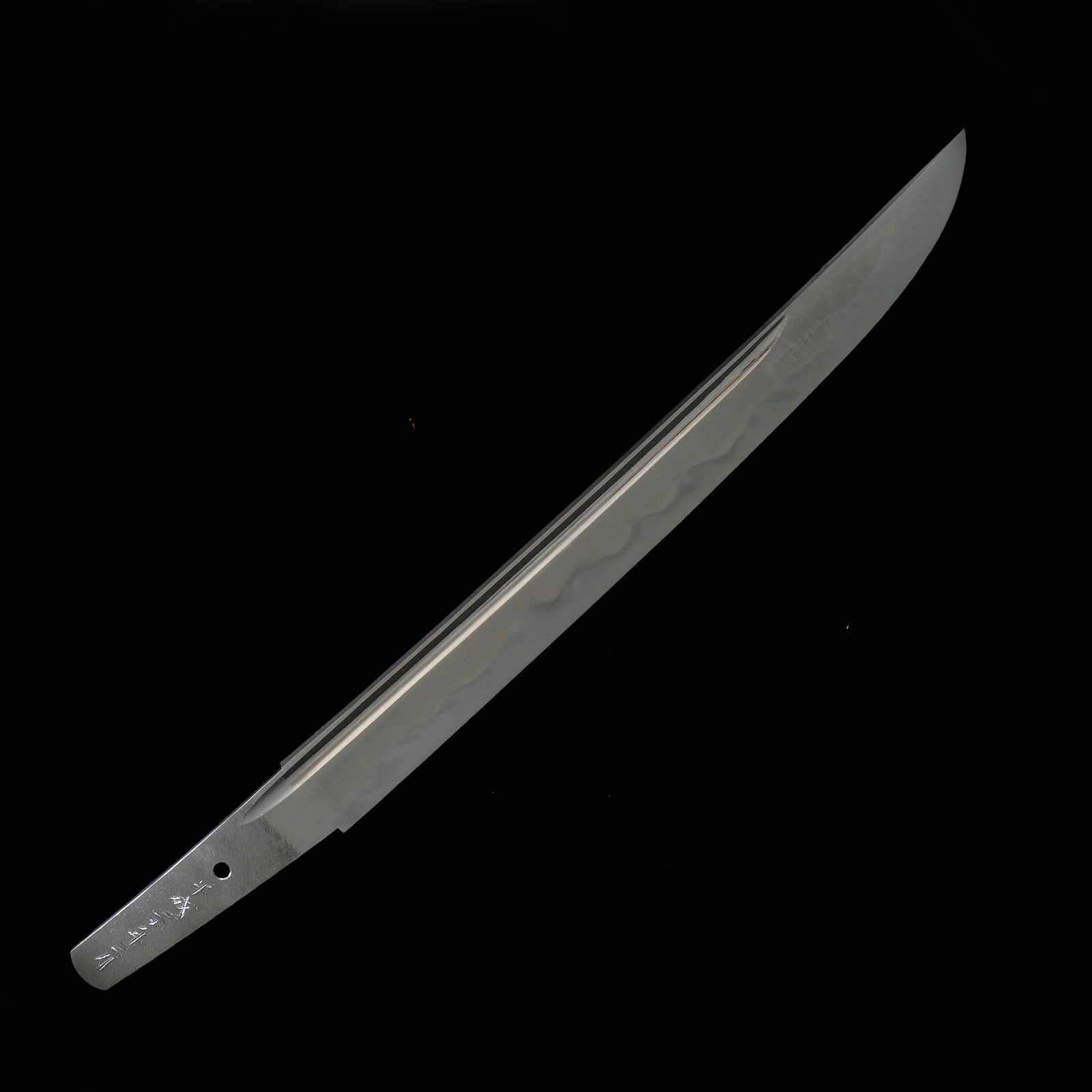
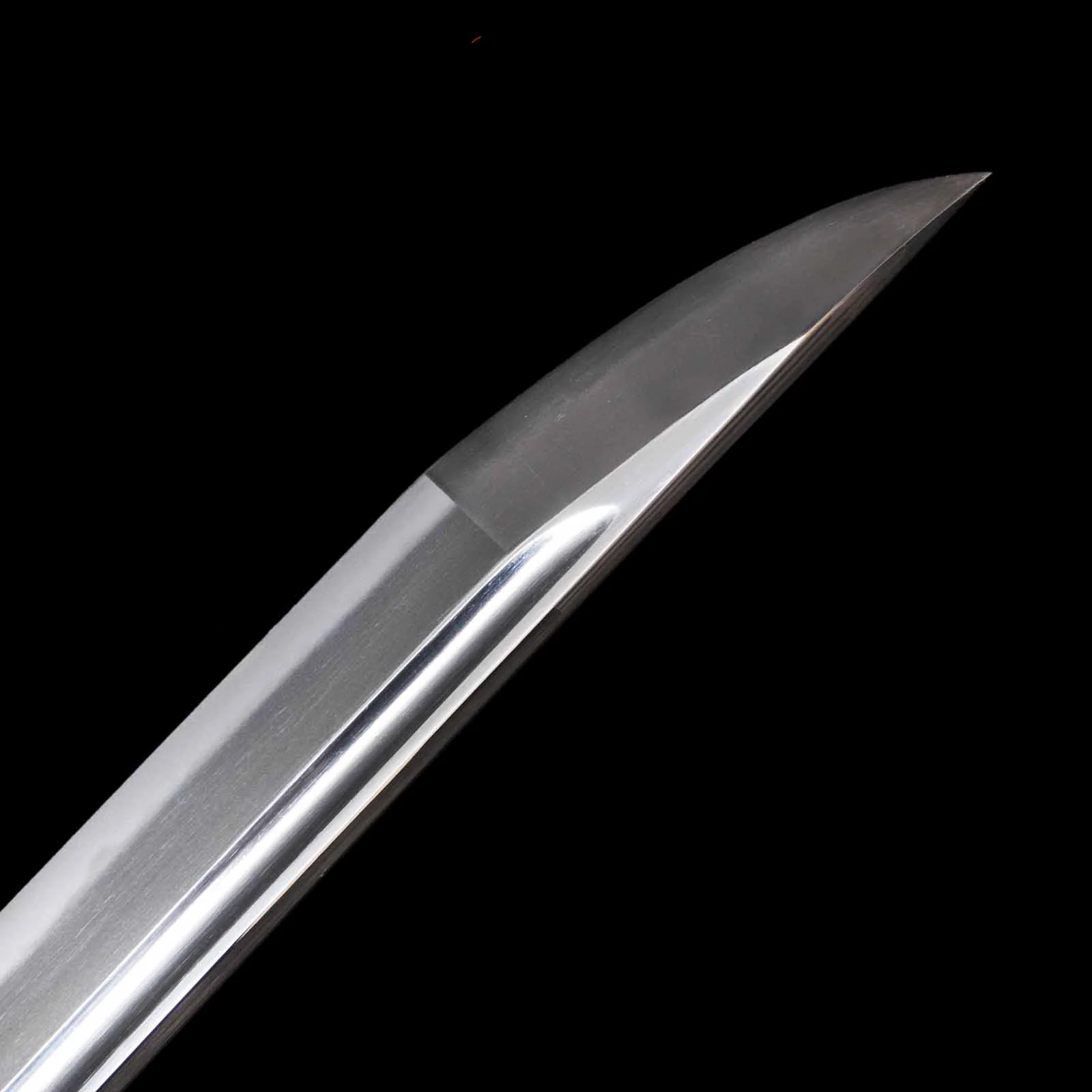
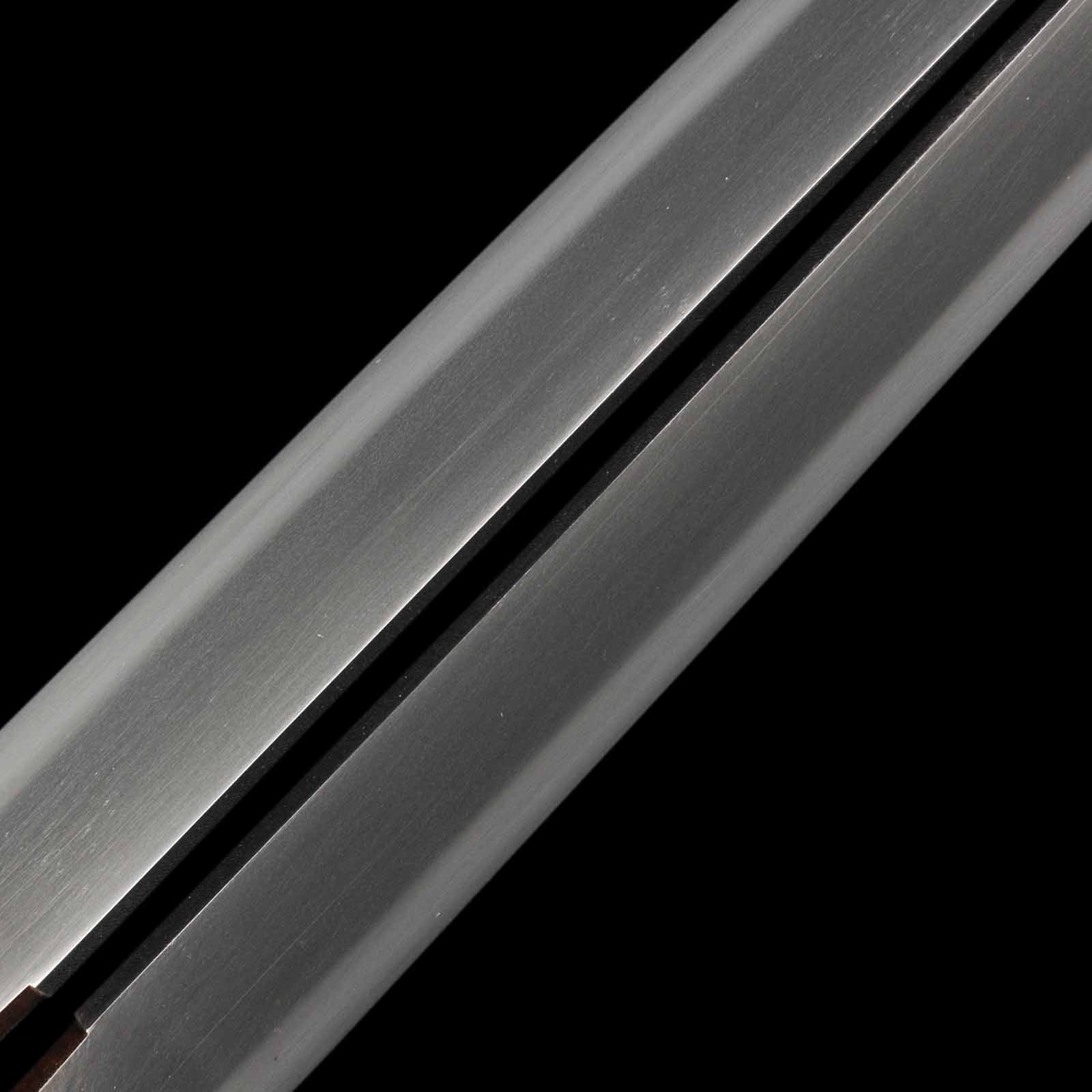
The blade is made in hira-zukuri with an iori-mune (peaked back) and a very slight curvature. The jigane is a well-worked ko-itame (fine wood-grain), tightly and beautifully forged. Over it runs a chū-suguha — a medium-width straight temper — within which fine kinsuji ("golden lines" of nie activity) can be seen playing along the edge, a subtle detail that rewards close viewing.
The blade is freshly polished, and both steel and temper are in good, healthy condition — very nearly flawless. It shows its workmanship clearly and is thoroughly enjoyable as it is.
On the unsigned tang
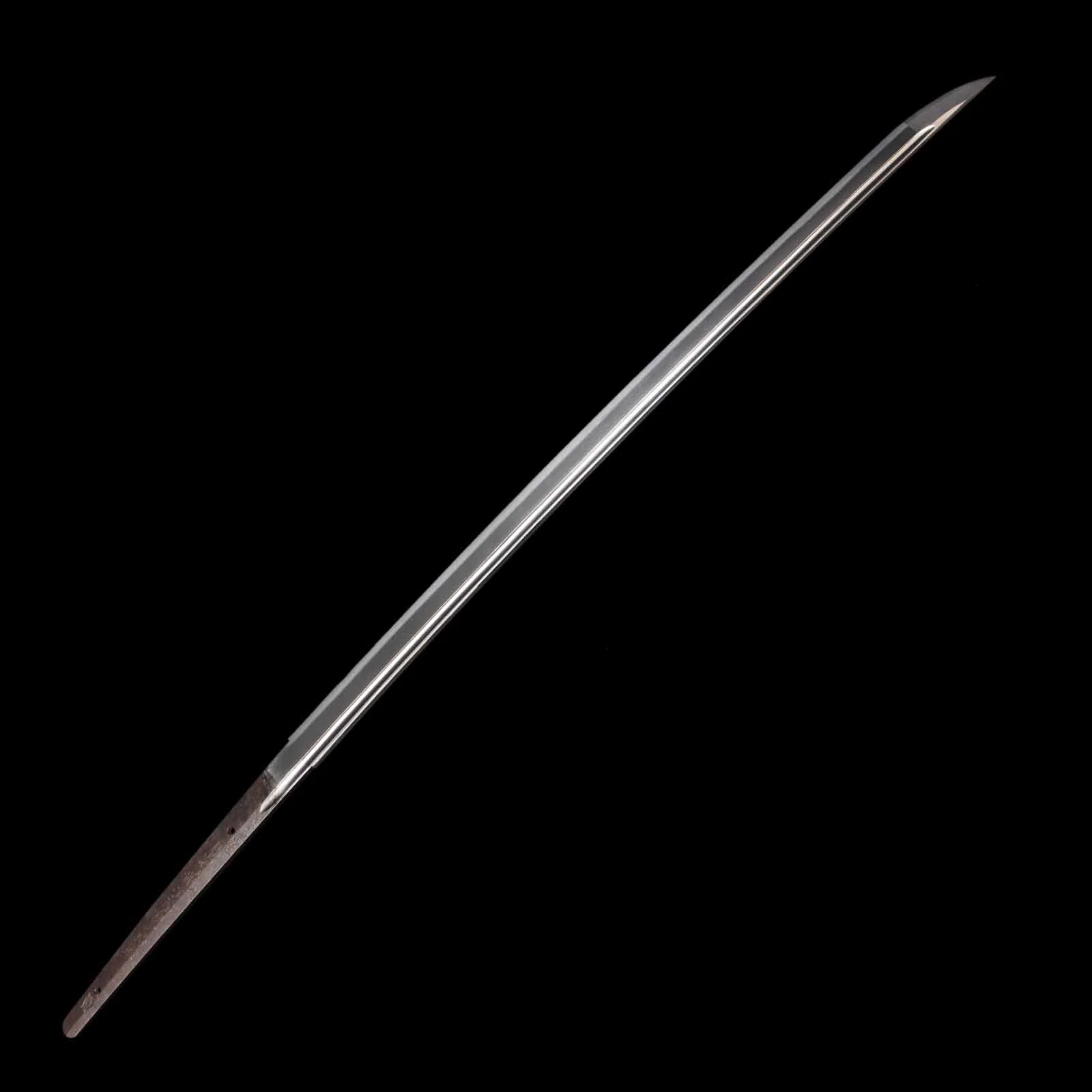
The tang (nakago) is unsigned. Many fine Edo-period tantō were made without a signature, and being ubu — never shortened — this blade retains its original form and character exactly as it left the smith. For the collector, an unsigned blade is a chance to appreciate a sword on its own merits: its shape, steel, and temper, rather than a name.
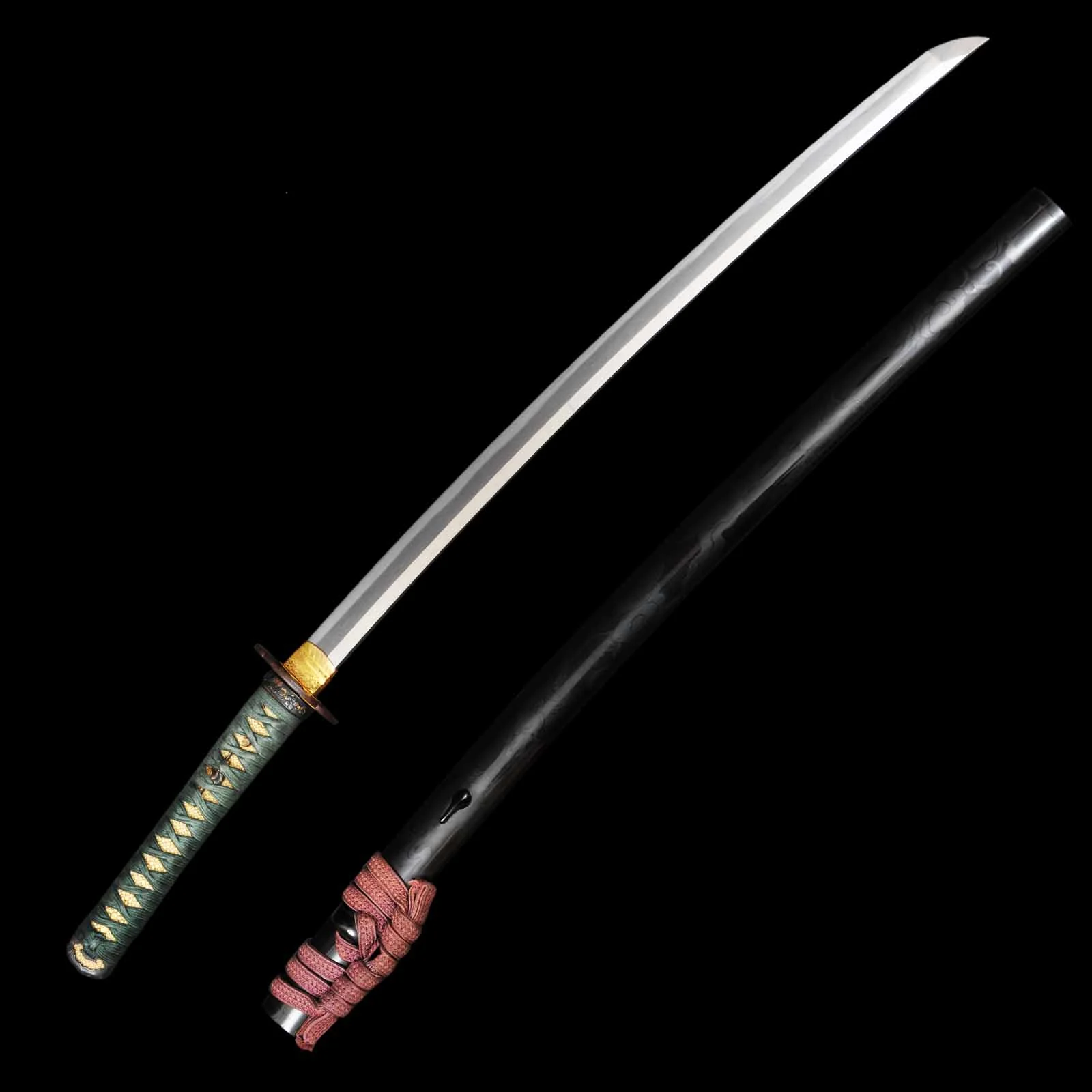
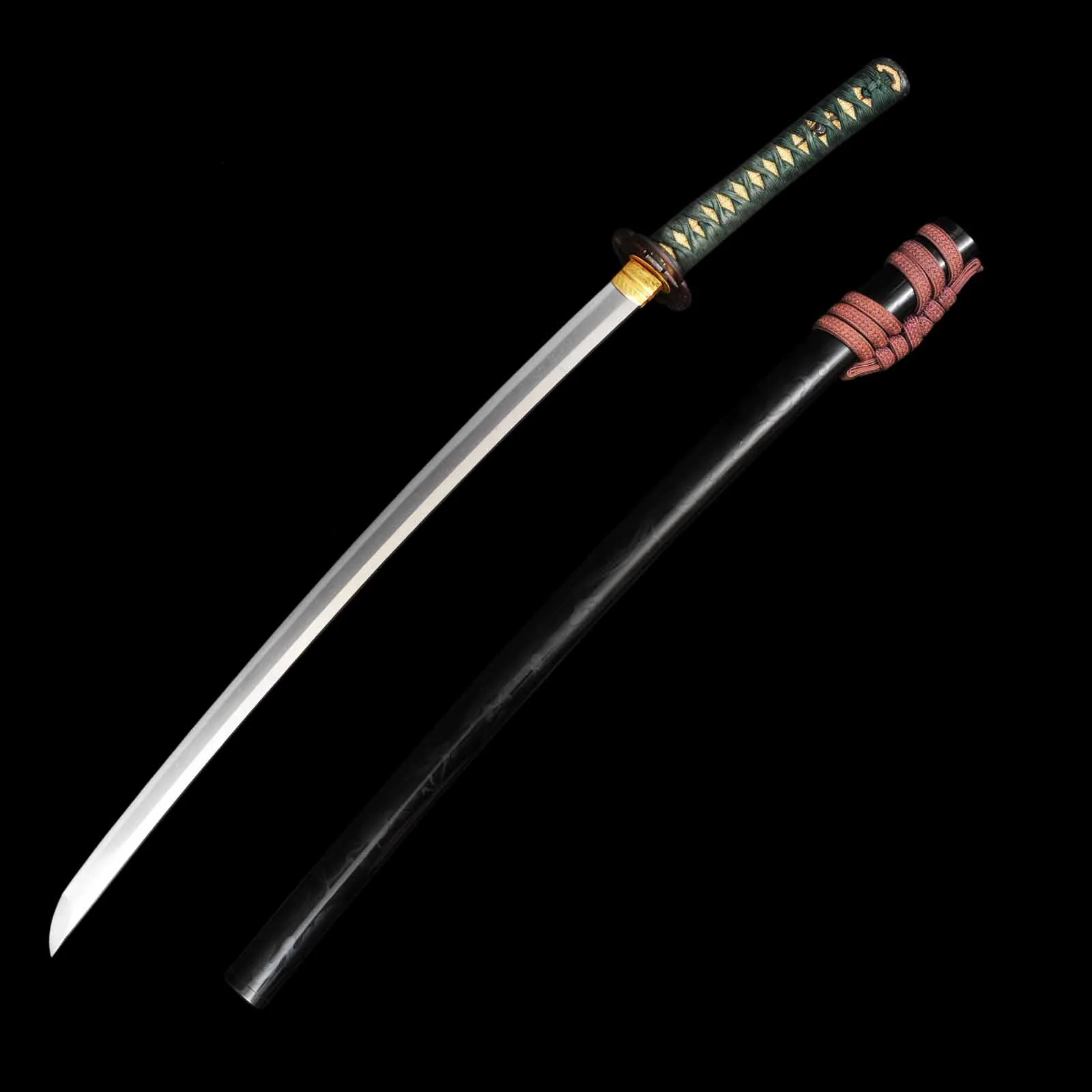
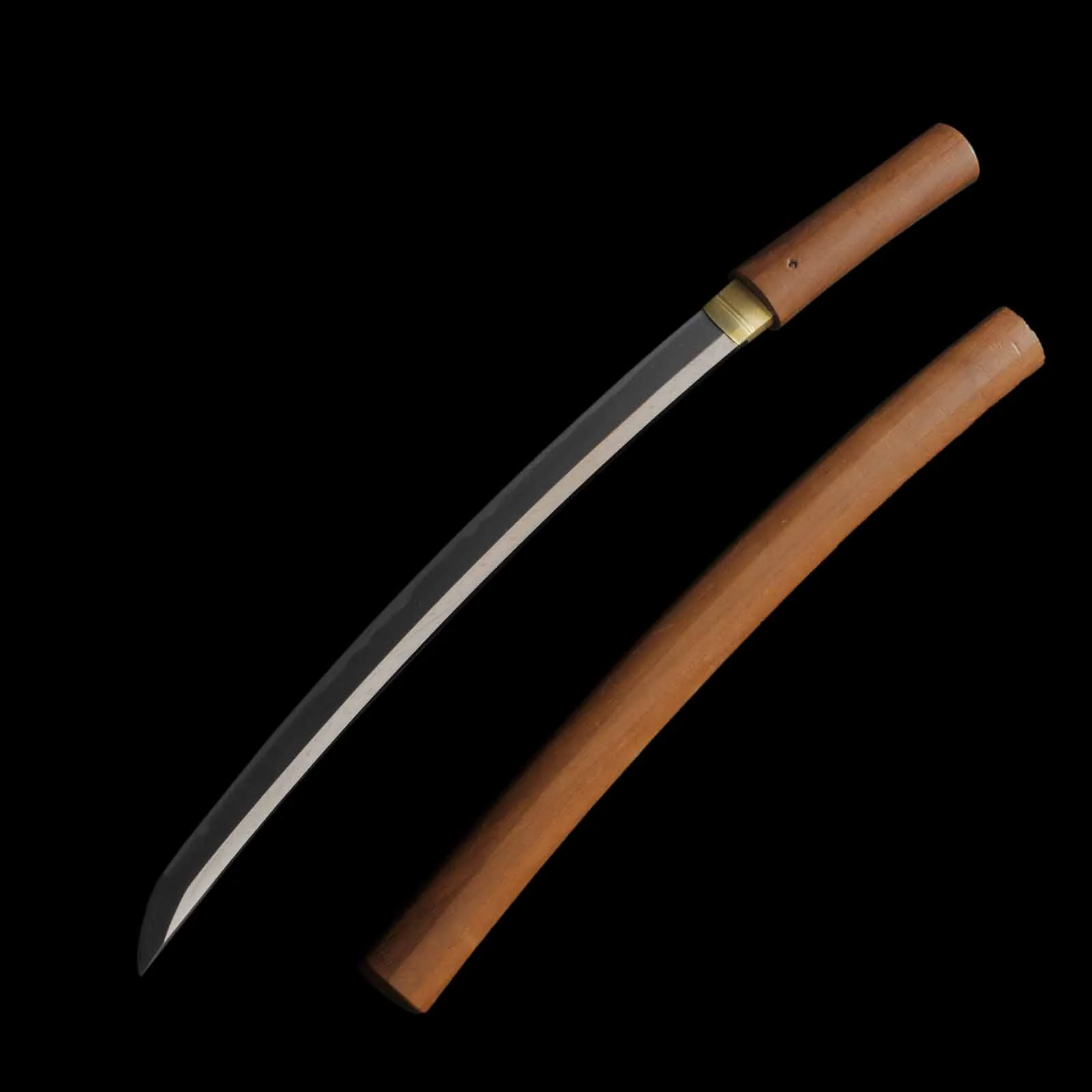
The blade is housed in a plain wood shirasaya, the traditional resting mount that protects the steel between viewings.
A genuine, ubu, mid-Edo tantō of full classic length — hira-zukuri, with tightly forged ko-itame steel and a calm chū-suguha temper lit by fine kinsuji — freshly polished and near-flawless. The ideal first Japanese sword for the newcomer, and a refined small blade for any collector.
Specifications
- Type: Tantō (short blade)
- Signature (mei): unsigned (mumei), ubu (un-shortened) tang
- Period: Mid-Edo period (18th c., attributed)
- Construction: hira-zukuri, iori-mune
- Jigane: ko-itame, well-forged
- Hamon: chū-suguha (medium straight temper) with kinsuji
- Blade length (nagasa): 23.0 cm / 9.06 in
- Curvature (sori): 0.1 cm (nearly straight)
- Width at base (motohaba): 20.5 mm
- Thickness at base (motokasane): 5.9 mm
- Weight (blade only): 120 g
- Condition: freshly polished; good, healthy ji and ha, very nearly flawless
- Mounting: shirasaya
- Torokushō (Japanese registration) No.: Iwate 34305

Details & Craftsmanship
Every detail has been carefully considered to bring you the perfect product.

Details & Craftsmanship
Every detail has been carefully considered to bring you the perfect product.

Details & Craftsmanship
Every detail has been carefully considered to bring you the perfect product.
Details & Craftsmanship
Every detail has been carefully considered to bring you the perfect product.

Details & Craftsmanship
Every detail has been carefully considered to bring you the perfect product.

Details & Craftsmanship
Every detail has been carefully considered to bring you the perfect product.

Details & Craftsmanship
Every detail has been carefully considered to bring you the perfect product.
Description
Antique Japanese Tantō, unsigned (mumei) — mid-Edo period
A genuine antique short sword — an ideal first nihontō
This is an unsigned (mumei) tantō in original, un-shortened (ubu) condition, judged to date from the mid-Edo period (18th century). At 23 cm, it is a full, classic tantō length, with the calm, dignified presence of a straight-tempered blade. Offered at an approachable price, it is an excellent first genuine Japanese sword for the newcomer — and a quietly refined study piece for any collector.
A genuine antique, made to be enjoyed
Many people who admire Japanese swords assume that owning a real, antique, traditionally-forged nihontō is out of reach. This tantō is proof that it need not be. It is not a reproduction or a modern copy but a genuine Edo-period blade, hand-forged in tamahagane steel and water-quenched in the age-old way — the same craft as the great swords of the samurai. For a first purchase, it lets the new collector hold and study the real thing: the grain of the steel, the temper line, the quiet curve of the blade.
Form, workmanship and condition
The blade is made in hira-zukuri with an iori-mune (peaked back) and a very slight curvature. The jigane is a well-worked ko-itame (fine wood-grain), tightly and beautifully forged. Over it runs a chū-suguha — a medium-width straight temper — within which fine kinsuji ("golden lines" of nie activity) can be seen playing along the edge, a subtle detail that rewards close viewing.
The blade is freshly polished, and both steel and temper are in good, healthy condition — very nearly flawless. It shows its workmanship clearly and is thoroughly enjoyable as it is.
On the unsigned tang
The tang (nakago) is unsigned. Many fine Edo-period tantō were made without a signature, and being ubu — never shortened — this blade retains its original form and character exactly as it left the smith. For the collector, an unsigned blade is a chance to appreciate a sword on its own merits: its shape, steel, and temper, rather than a name.
The blade is housed in a plain wood shirasaya, the traditional resting mount that protects the steel between viewings.
A genuine, ubu, mid-Edo tantō of full classic length — hira-zukuri, with tightly forged ko-itame steel and a calm chū-suguha temper lit by fine kinsuji — freshly polished and near-flawless. The ideal first Japanese sword for the newcomer, and a refined small blade for any collector.
Specifications
- Type: Tantō (short blade)
- Signature (mei): unsigned (mumei), ubu (un-shortened) tang
- Period: Mid-Edo period (18th c., attributed)
- Construction: hira-zukuri, iori-mune
- Jigane: ko-itame, well-forged
- Hamon: chū-suguha (medium straight temper) with kinsuji
- Blade length (nagasa): 23.0 cm / 9.06 in
- Curvature (sori): 0.1 cm (nearly straight)
- Width at base (motohaba): 20.5 mm
- Thickness at base (motokasane): 5.9 mm
- Weight (blade only): 120 g
- Condition: freshly polished; good, healthy ji and ha, very nearly flawless
- Mounting: shirasaya
- Torokushō (Japanese registration) No.: Iwate 34305