
Original: $8,035.30
-65%$8,035.30
$2,812.36The Story
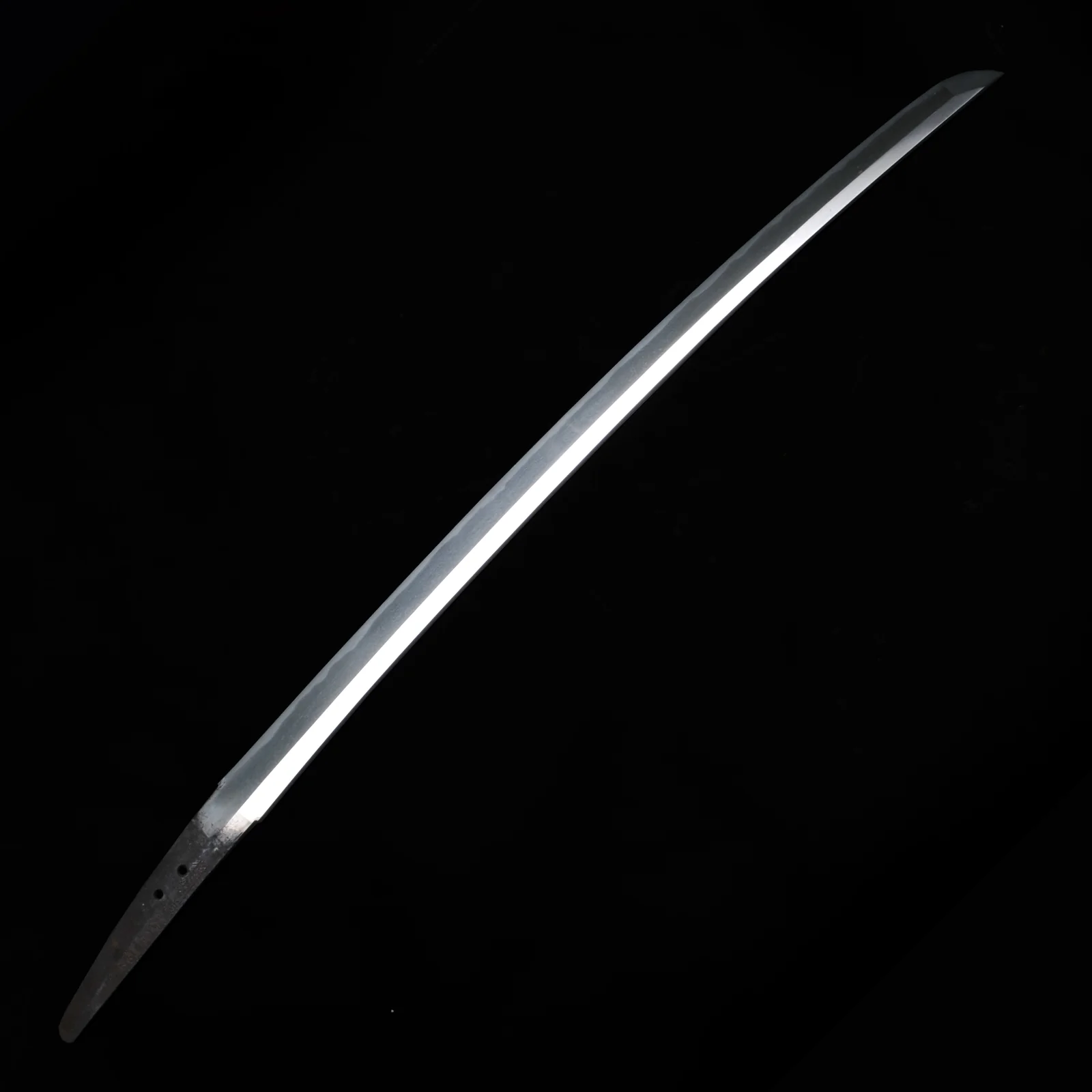
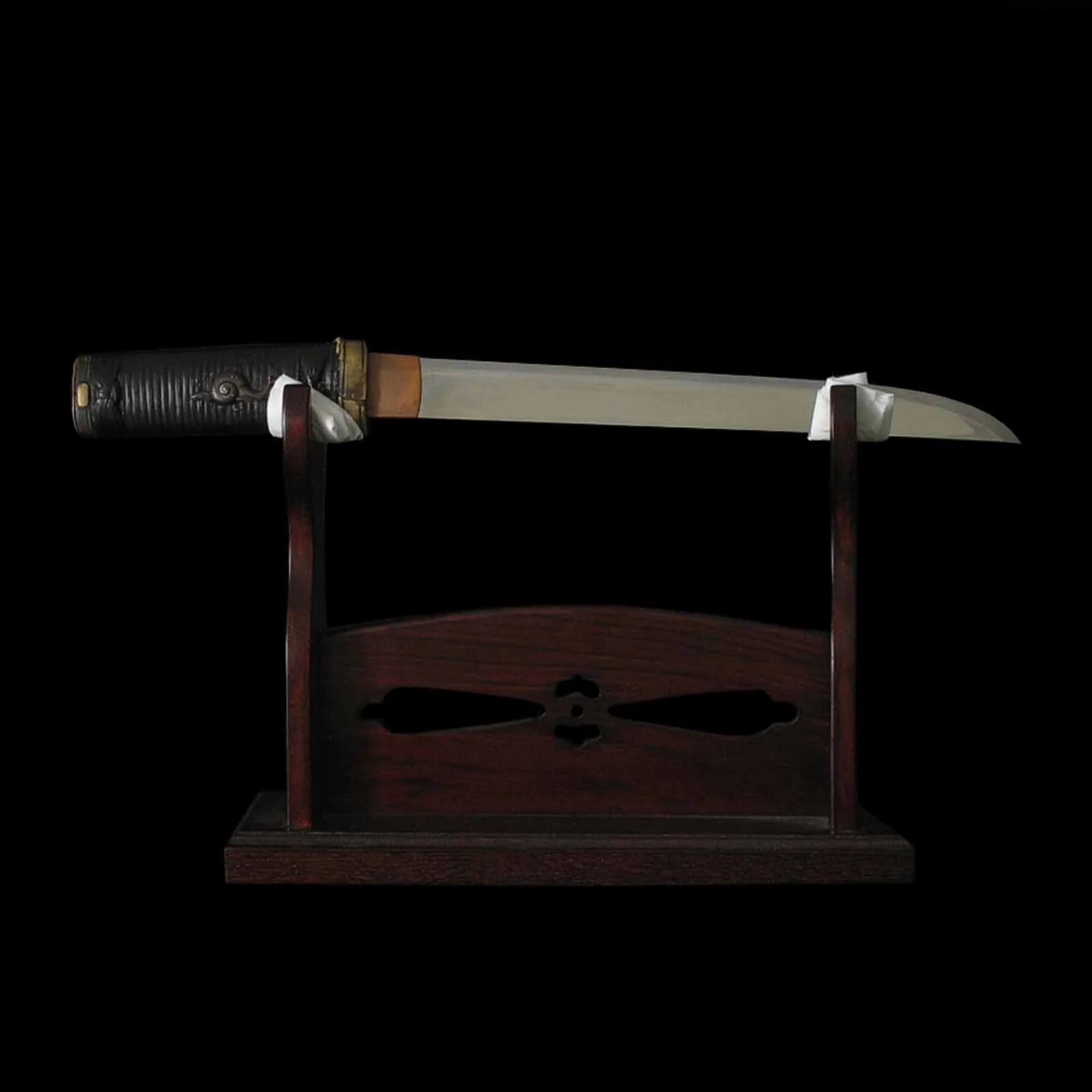
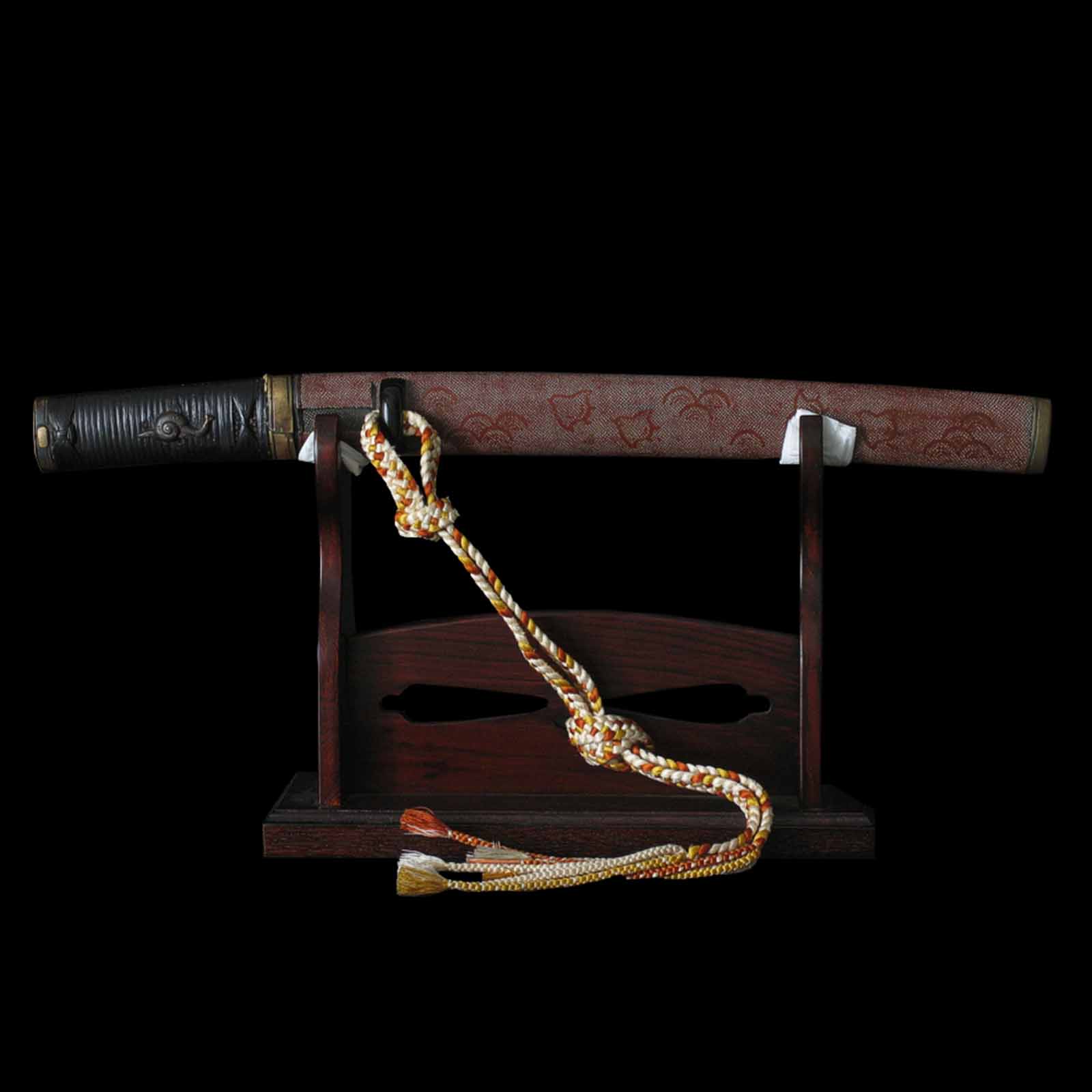
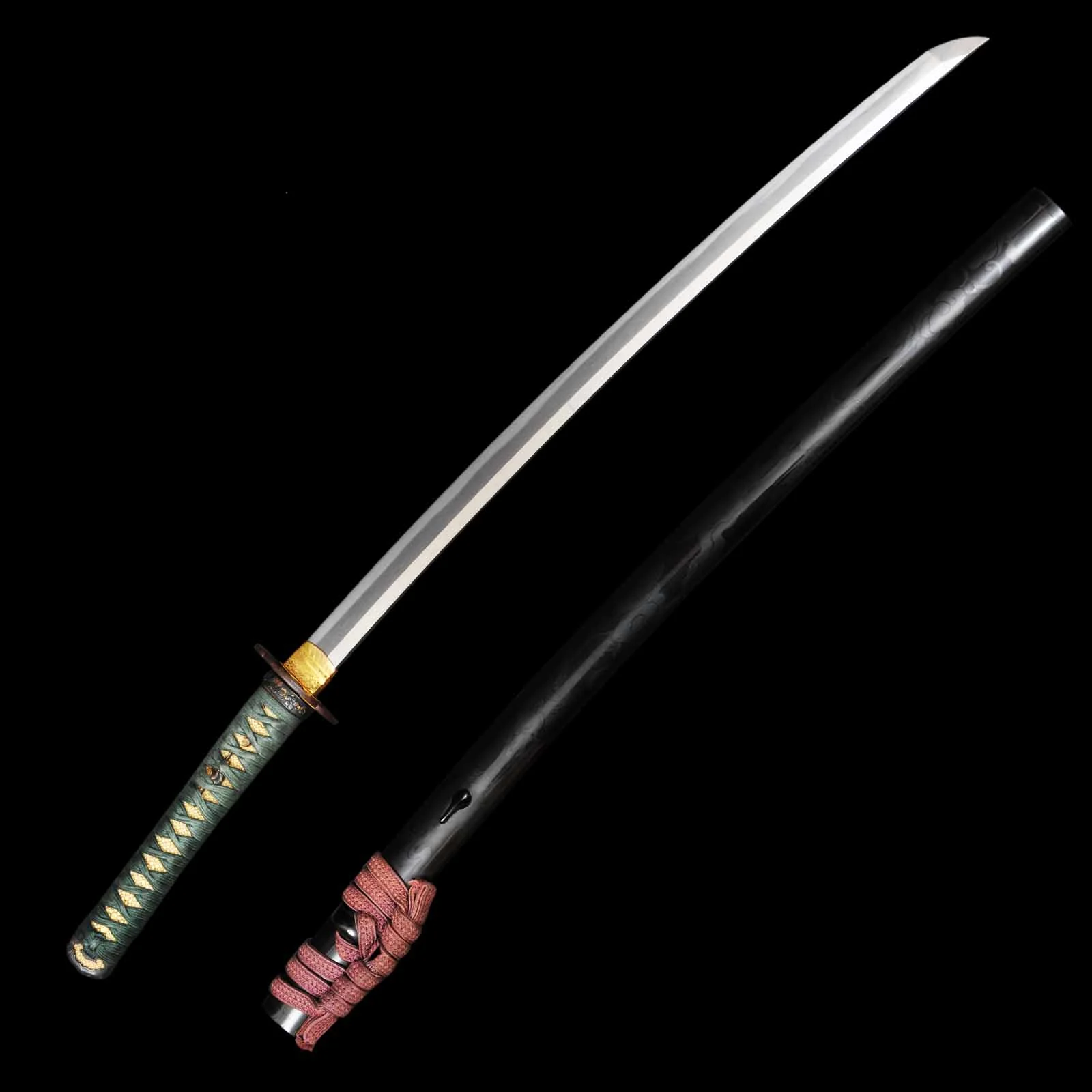
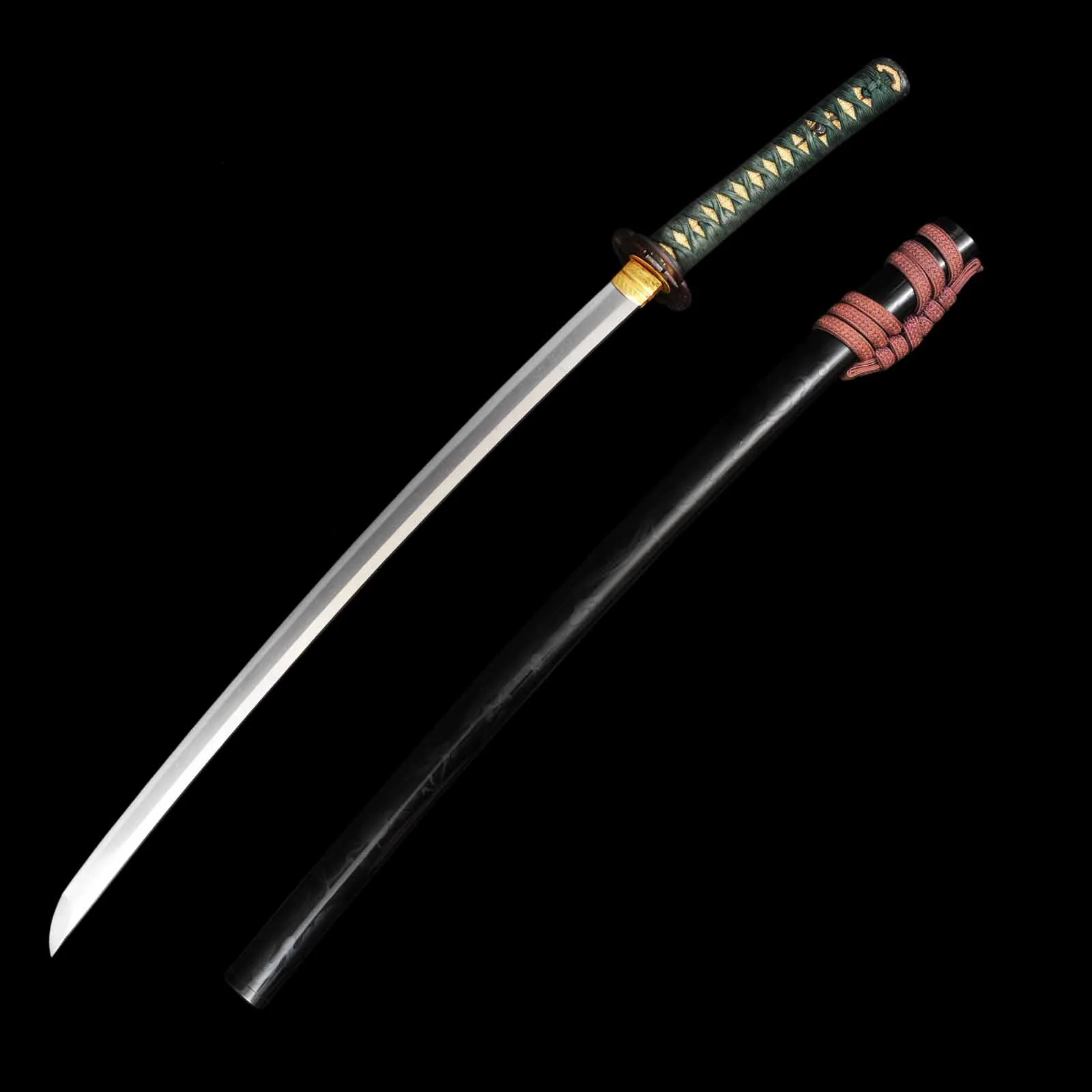
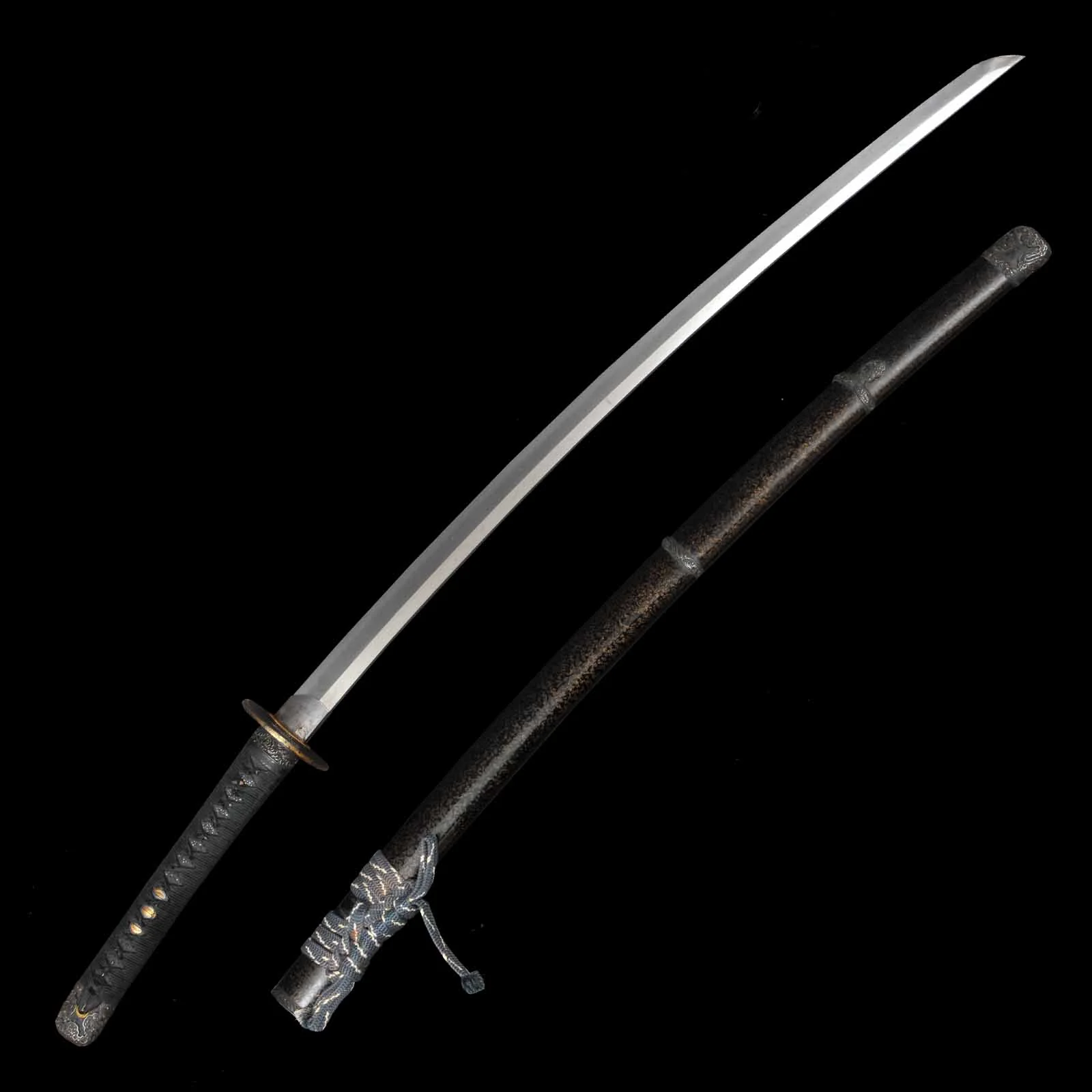
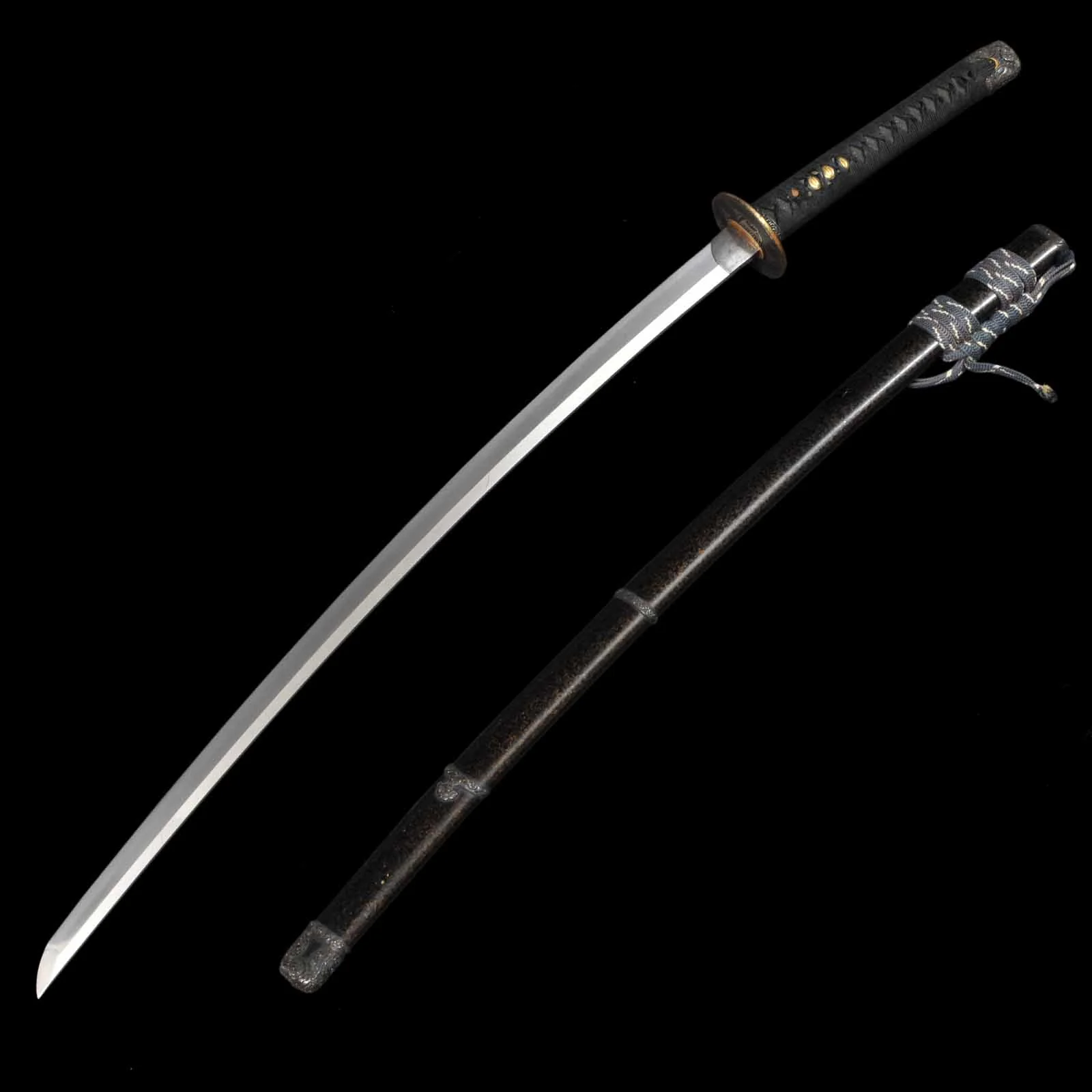
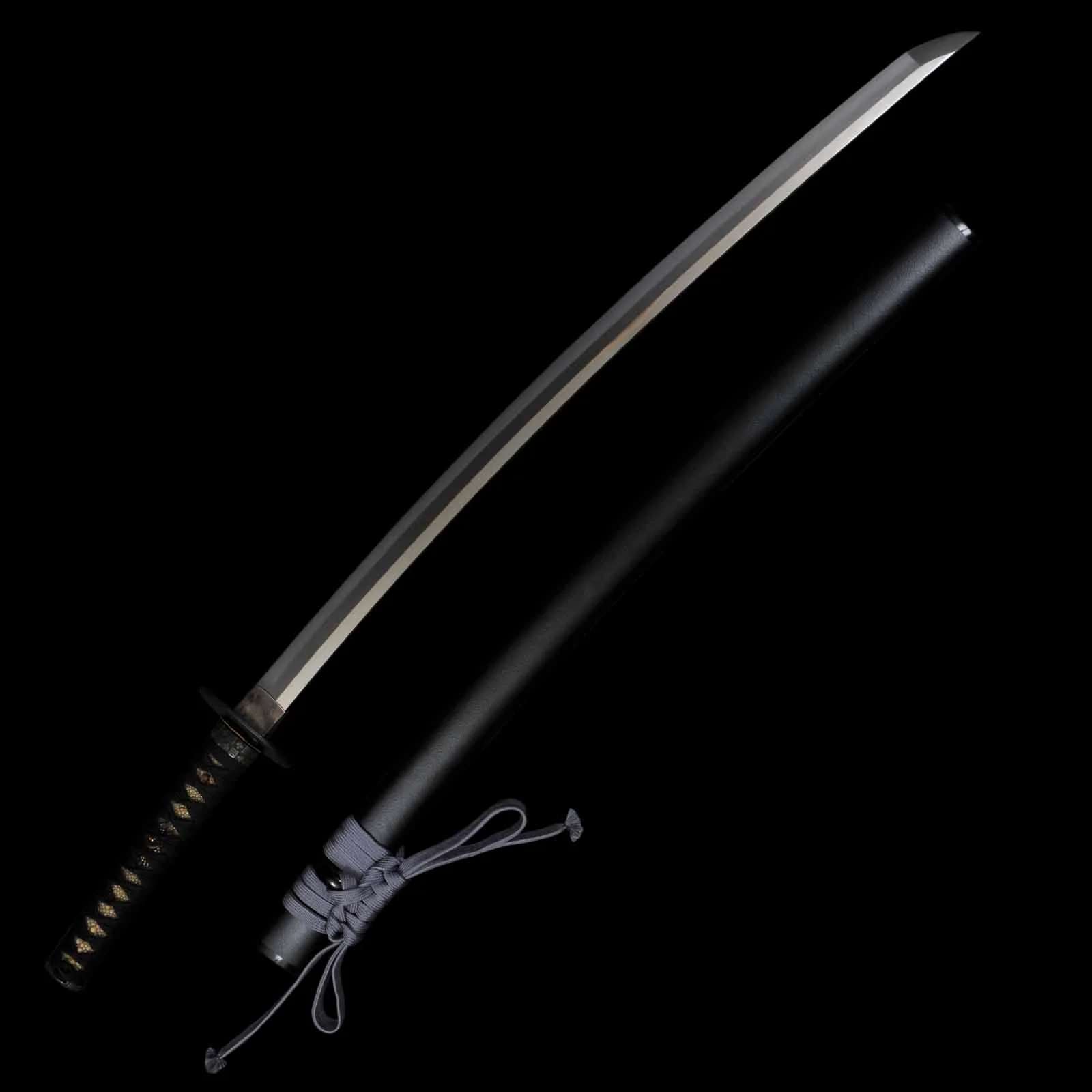
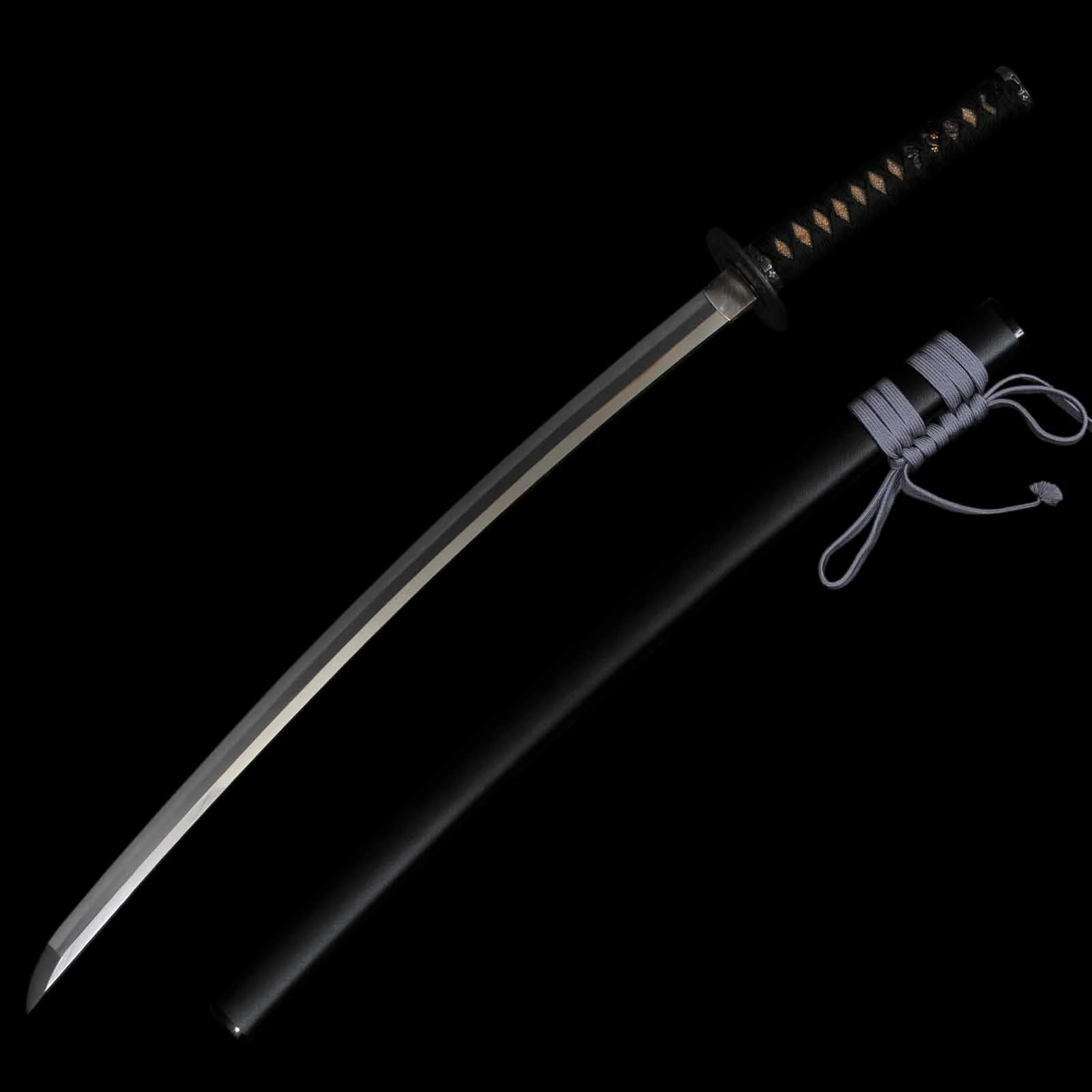
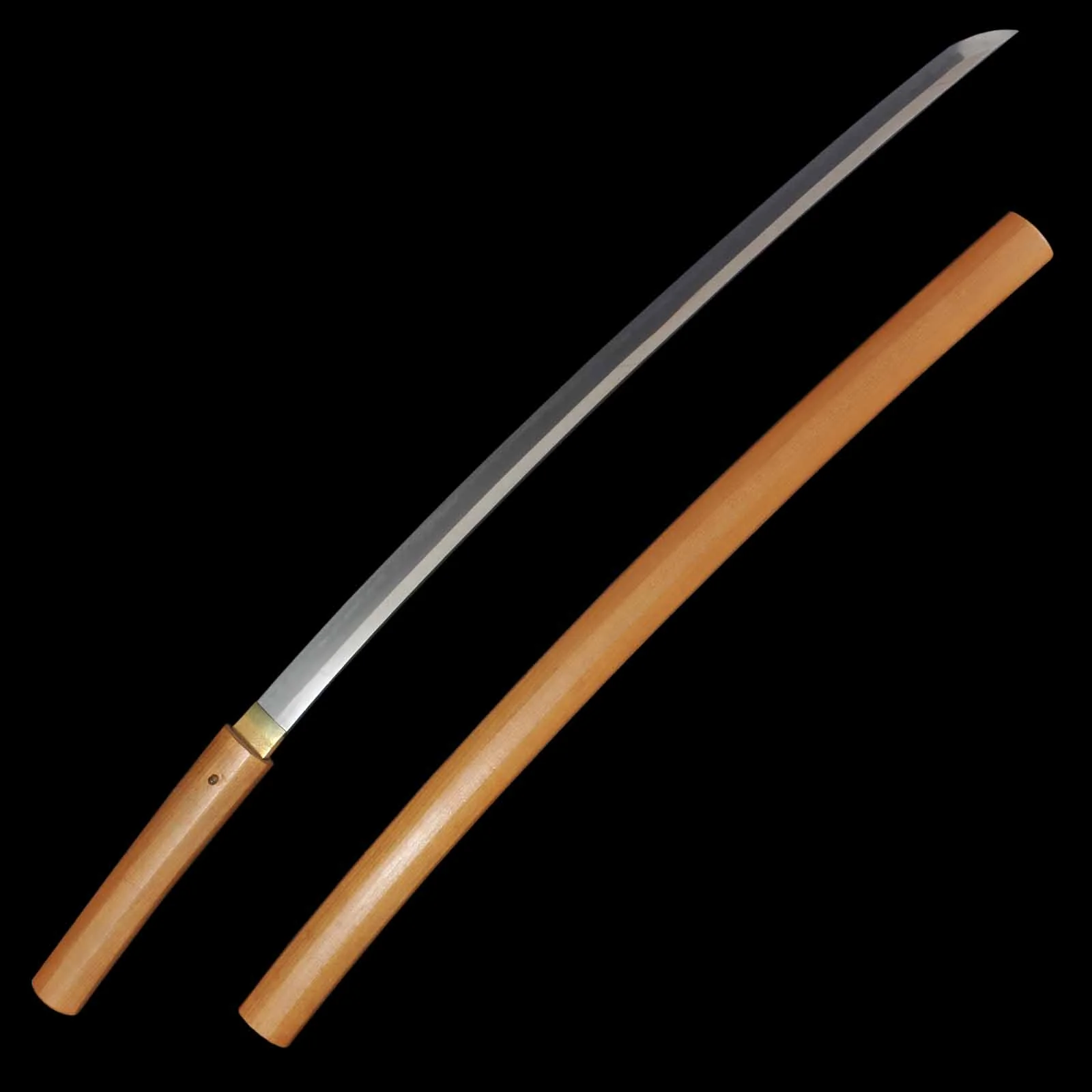
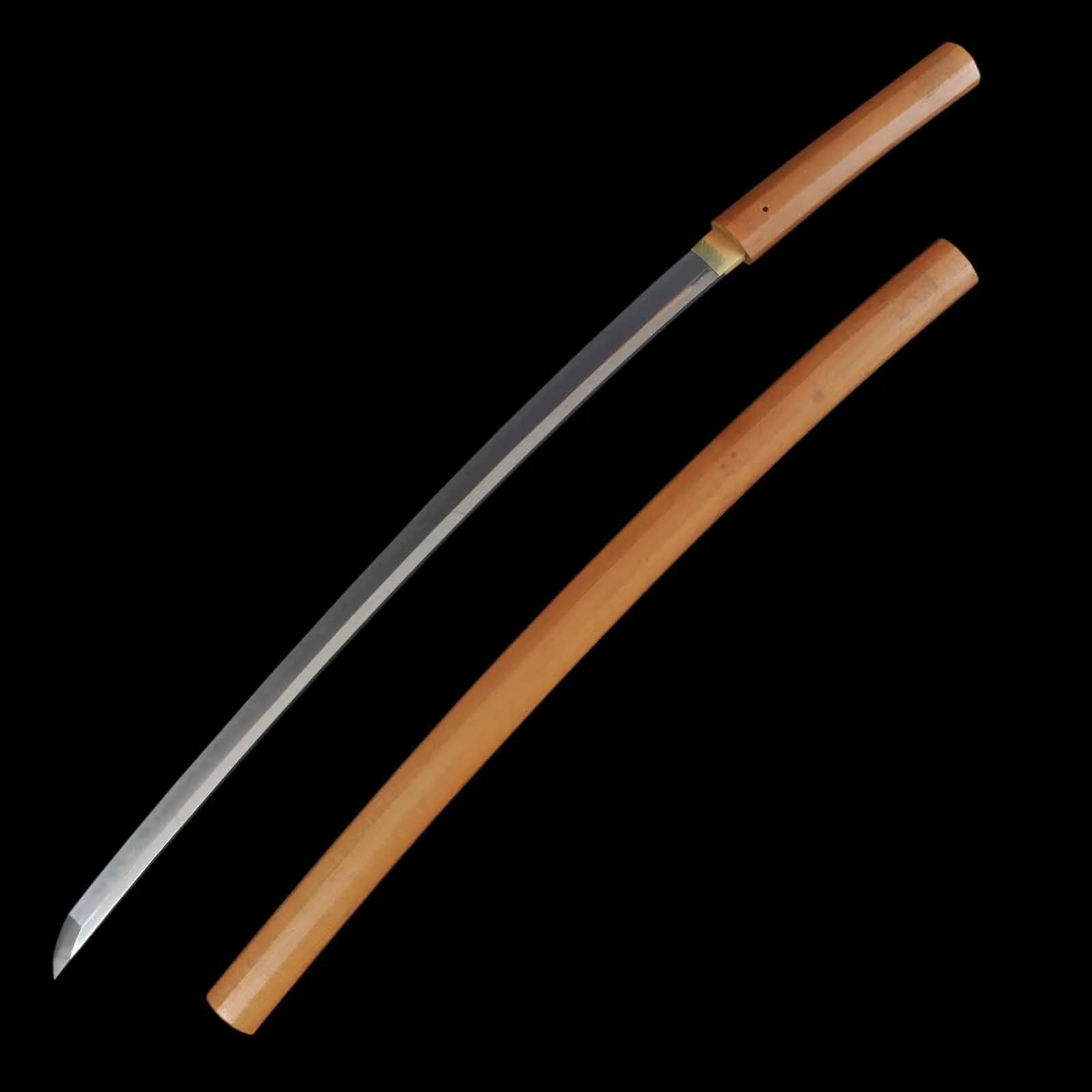
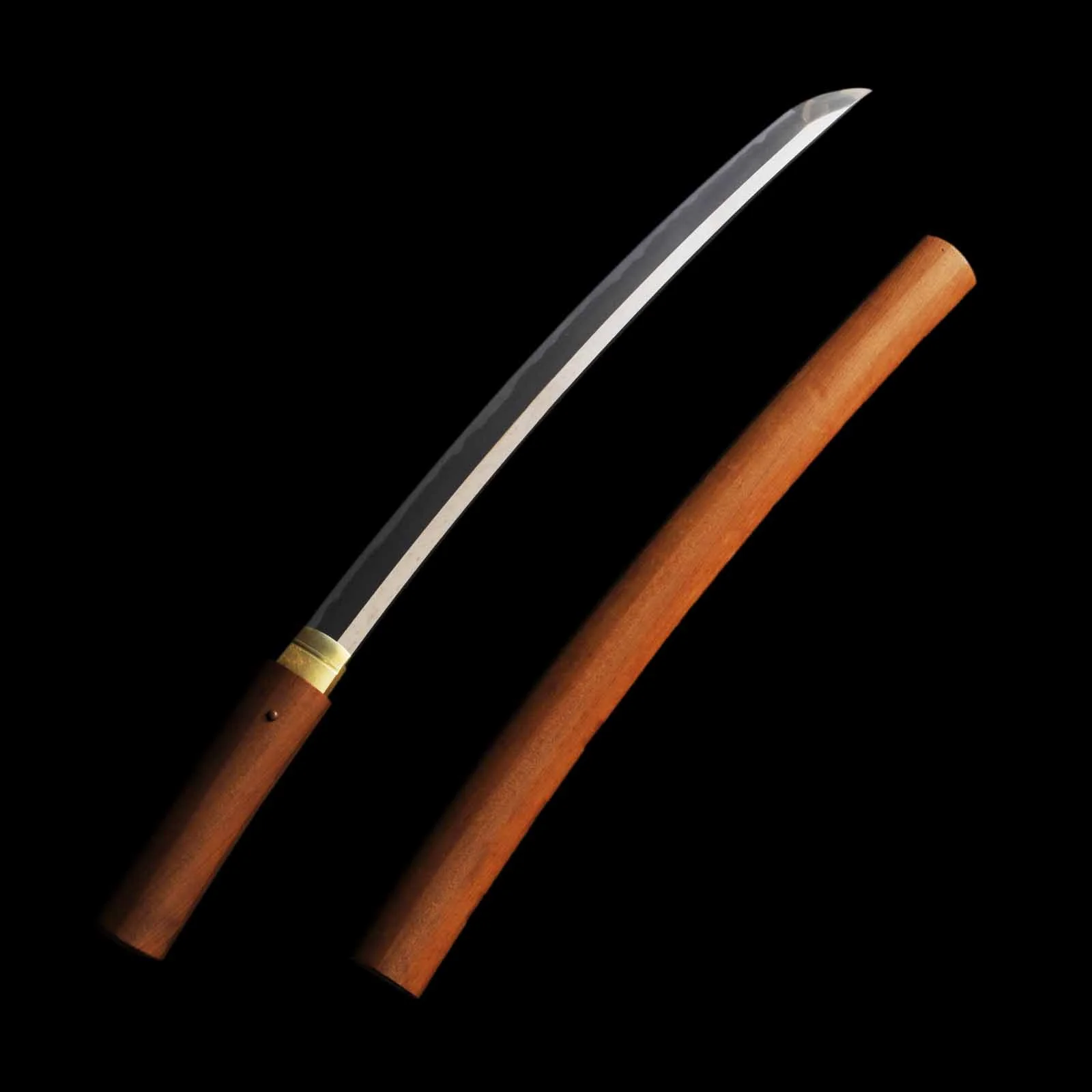
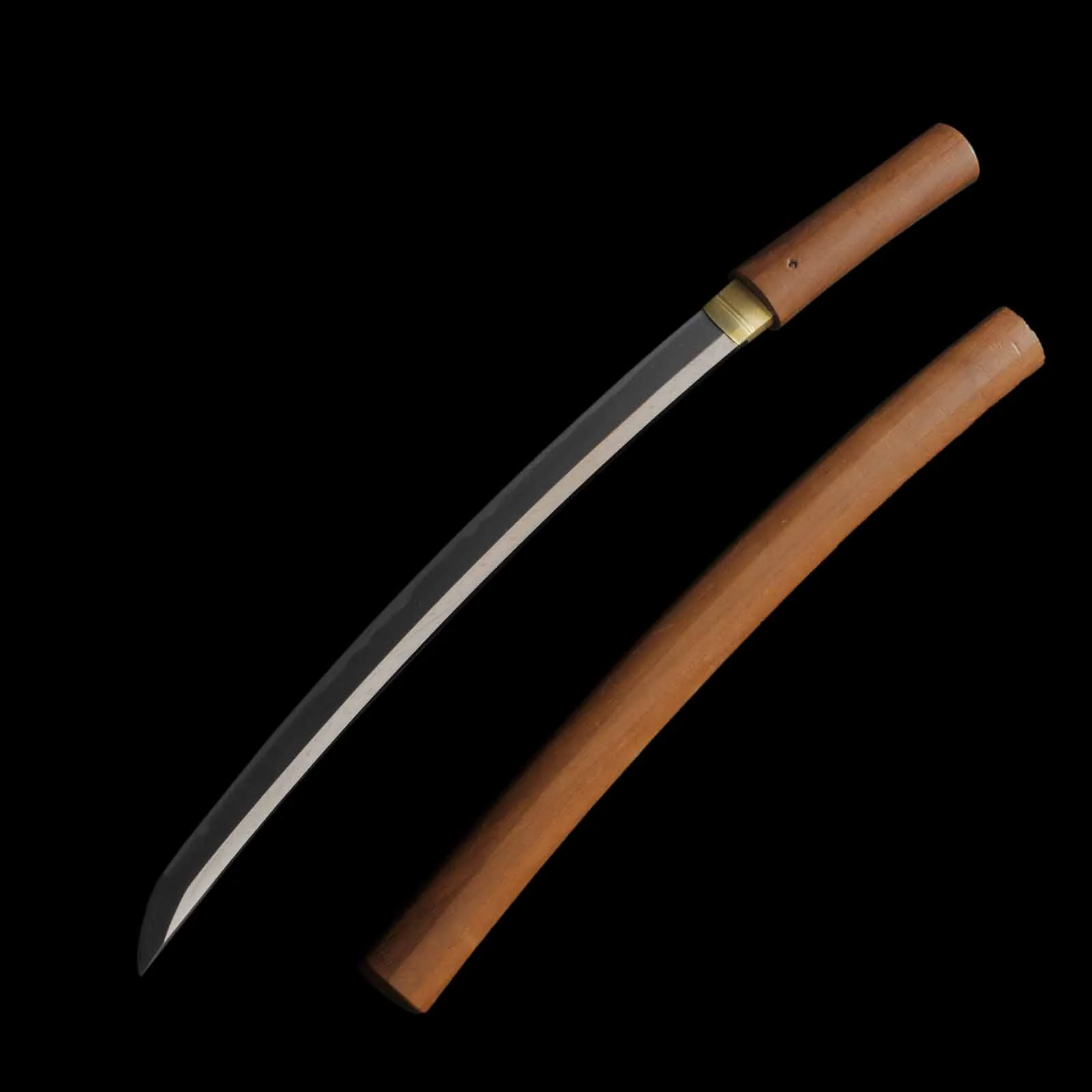
Antique Japanese Katana, signed Hizen no Kuni Dewa Daijō Yukihiro — with Satō Kanzan sayagaki & period koshirae
Hizen school (1st gen. Yukihiro) · Early Edo period · NBTHK Tokubetsu Kichō Tōken · in original antique mounting
Accompanied by an NBTHK Tokubetsu Kichō Tōken ("Especially Precious Sword") certificate and a sayagaki by Satō Kanzan.
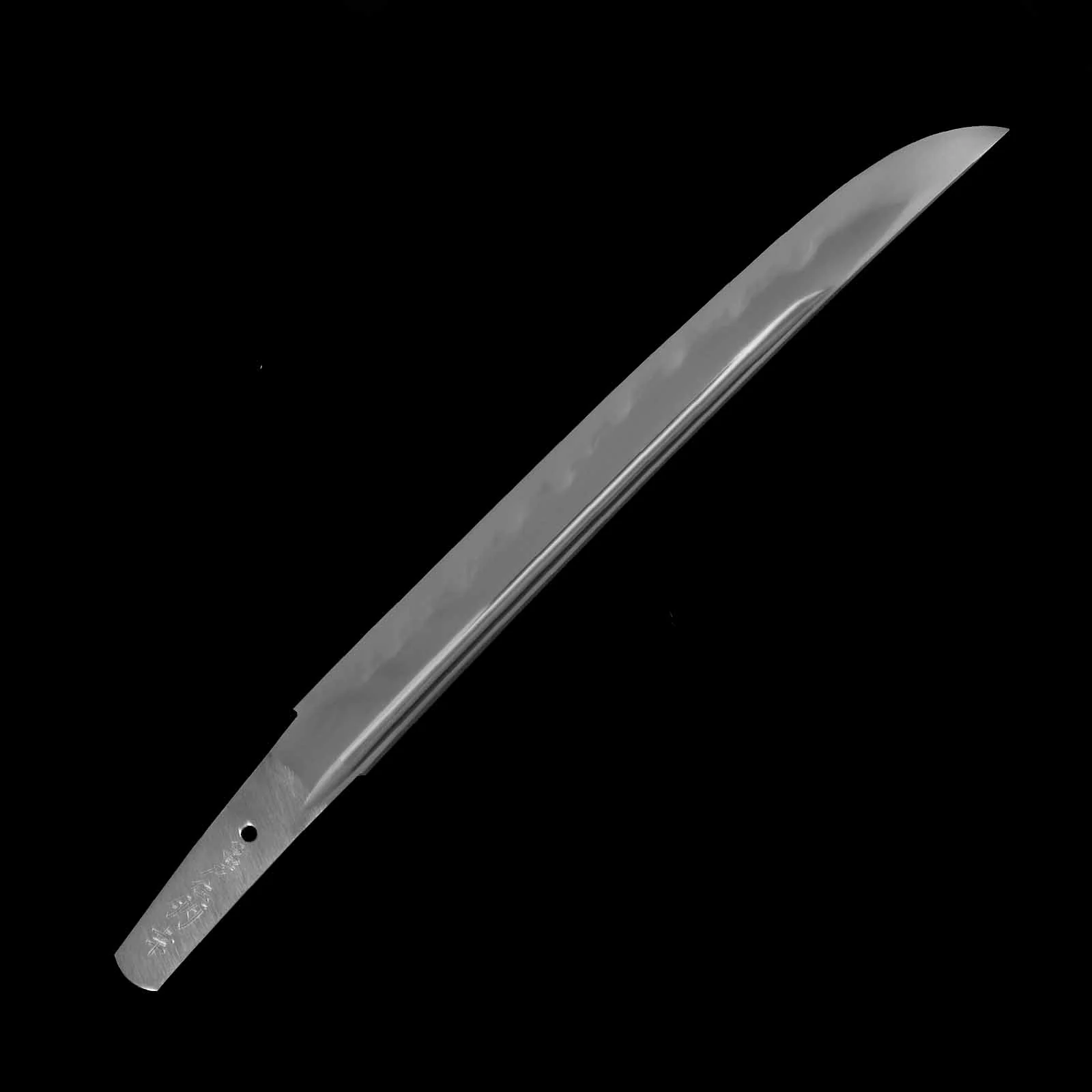
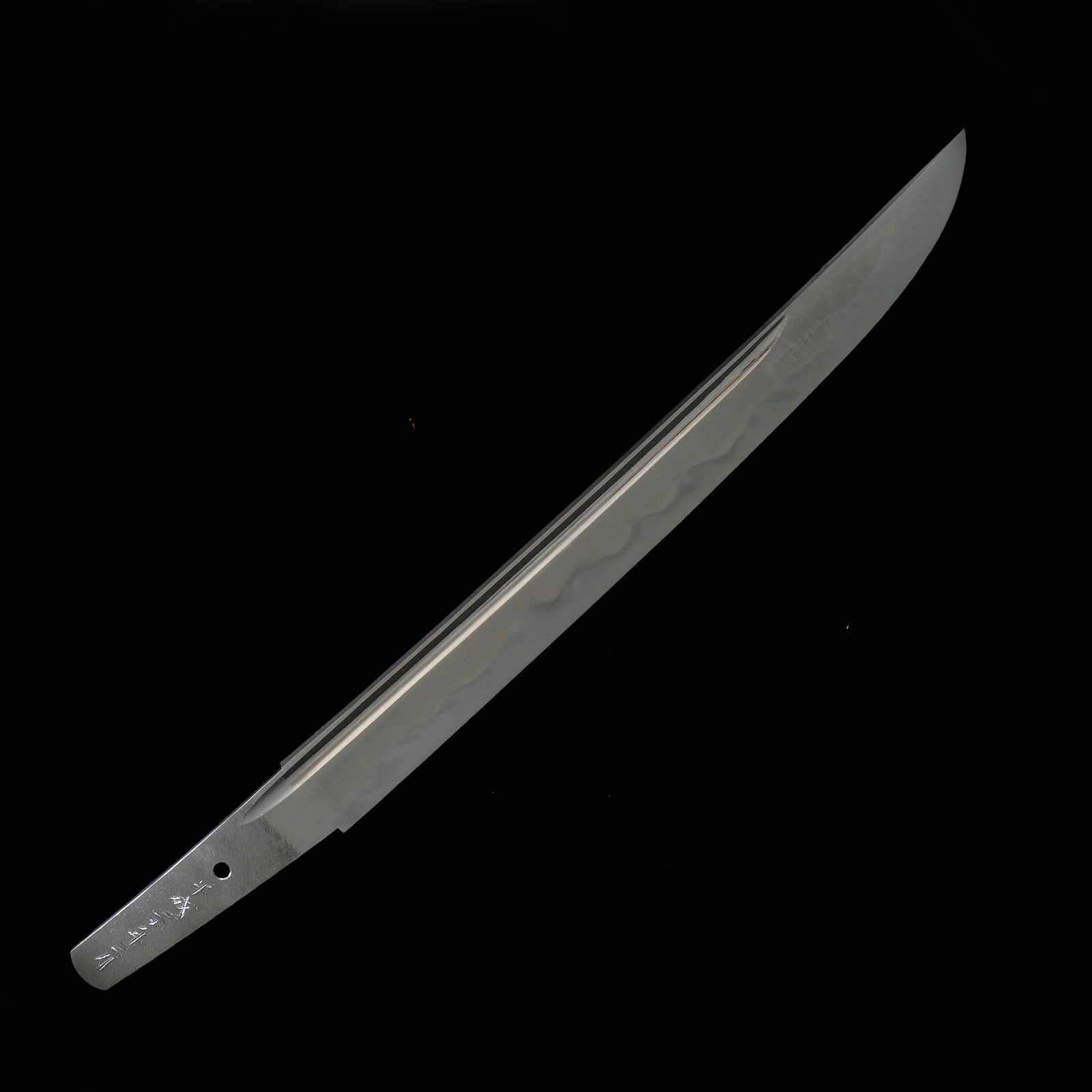
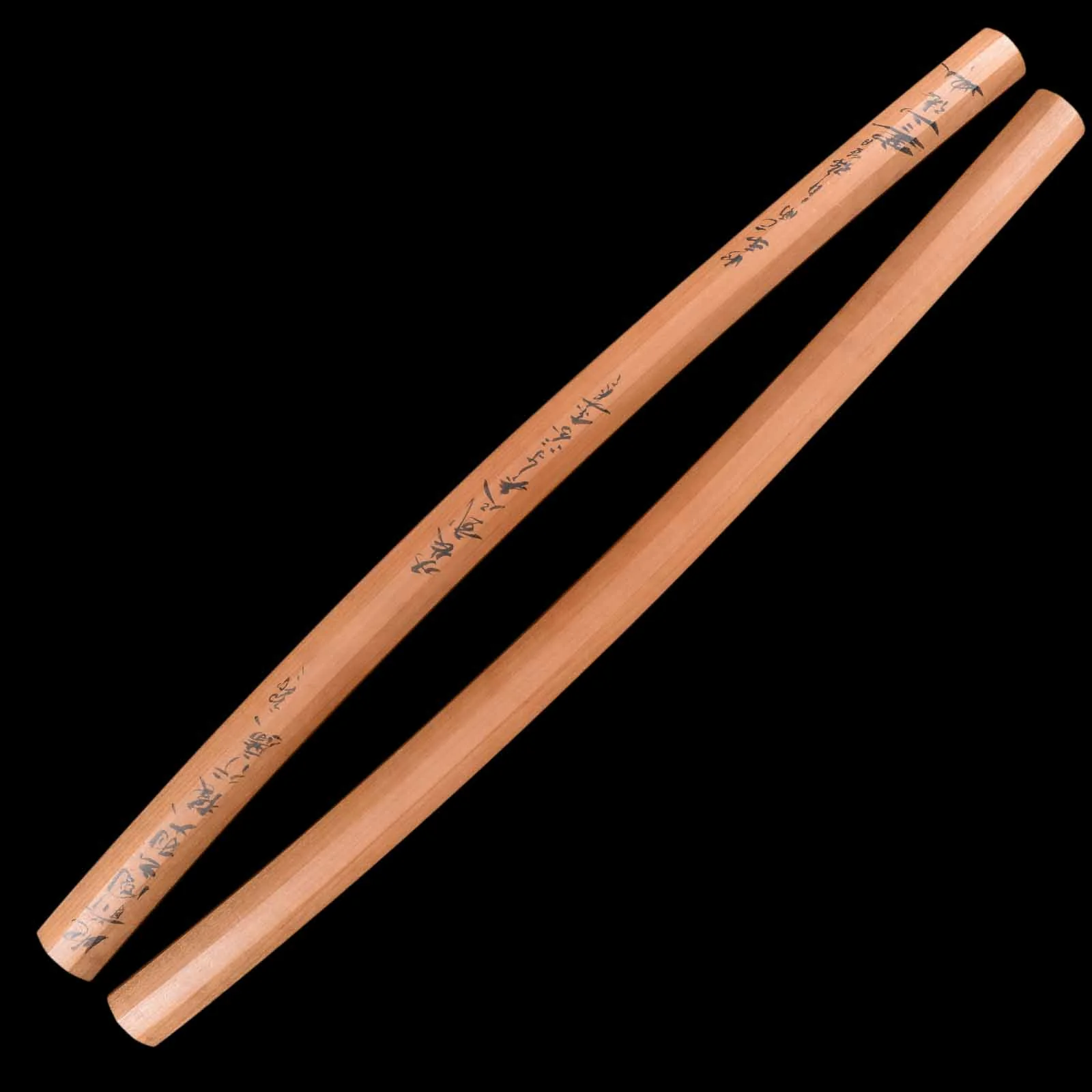
A distinguished katana whose rare skill and historical value are confirmed by its Tokubetsu Kichō Tōken certification. The tang is crisply signed Hizen no Kuni Dewa Daijō Yukihiro (肥前国出羽大掾行廣). Adding greatly to its standing, the blade also carries a sayagaki (scabbard inscription) by Satō Kanzan — the foremost modern authority on Japanese sword study — a mark that collectors regard as the highest endorsement of a blade's authenticity and artistic merit.
Workmanship and condition
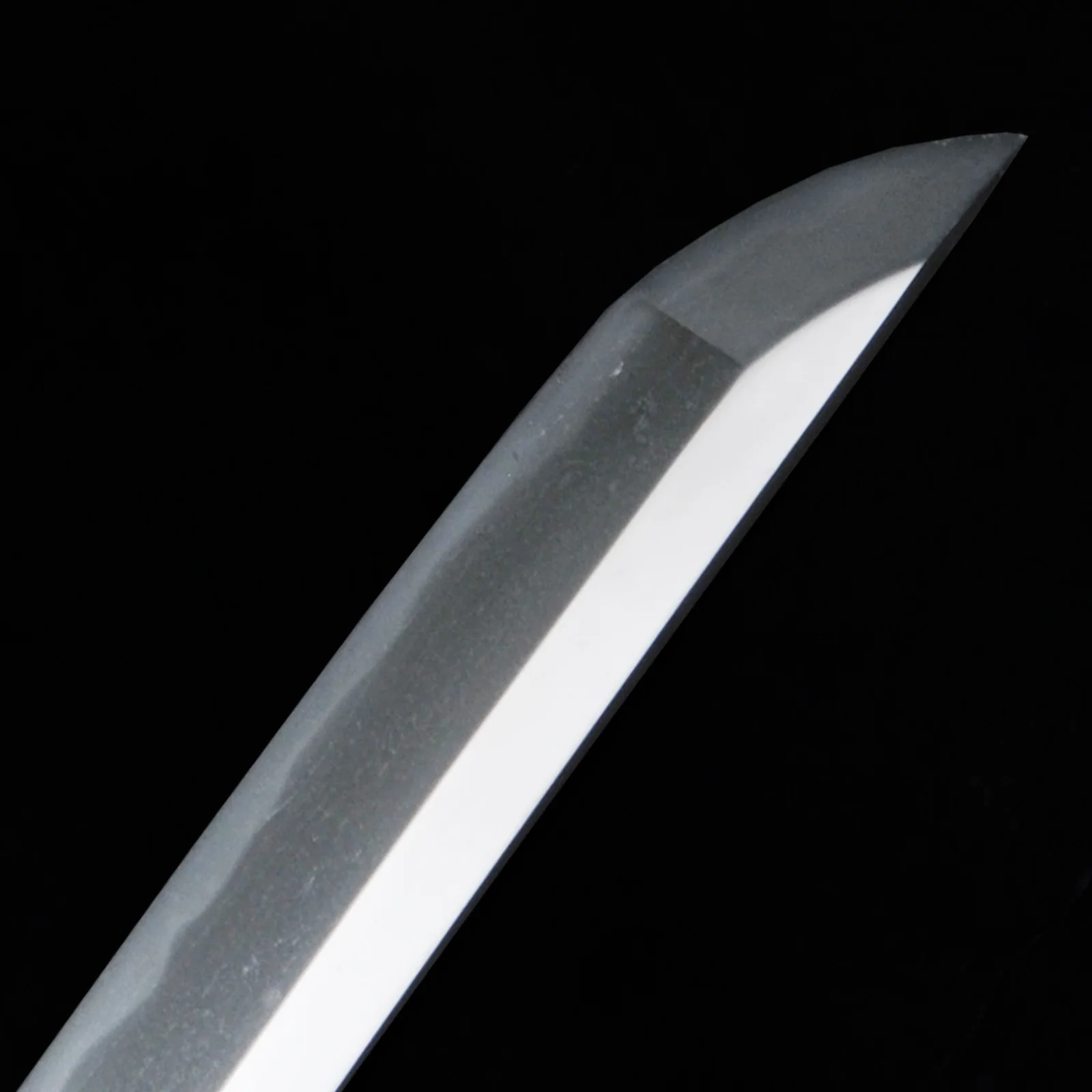
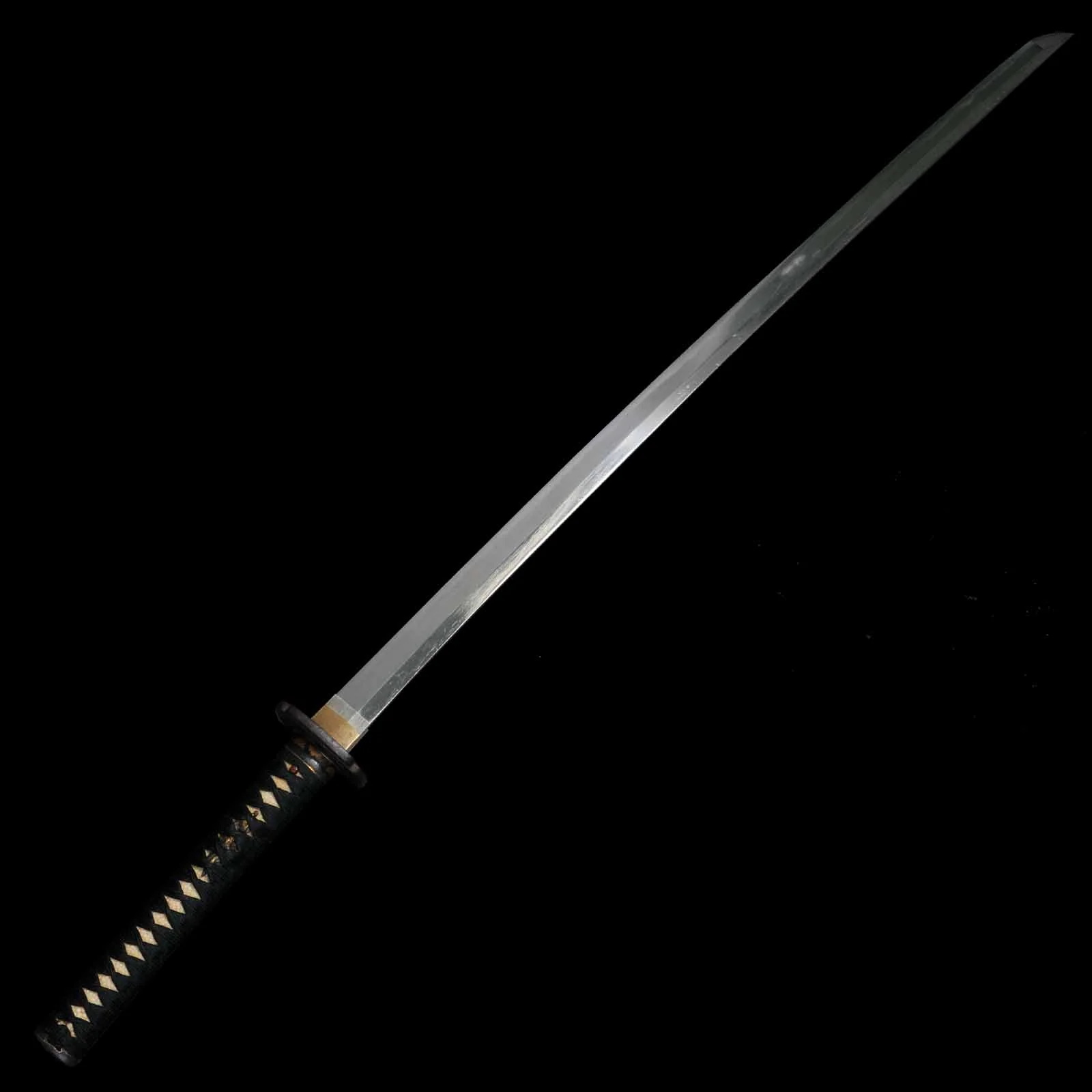
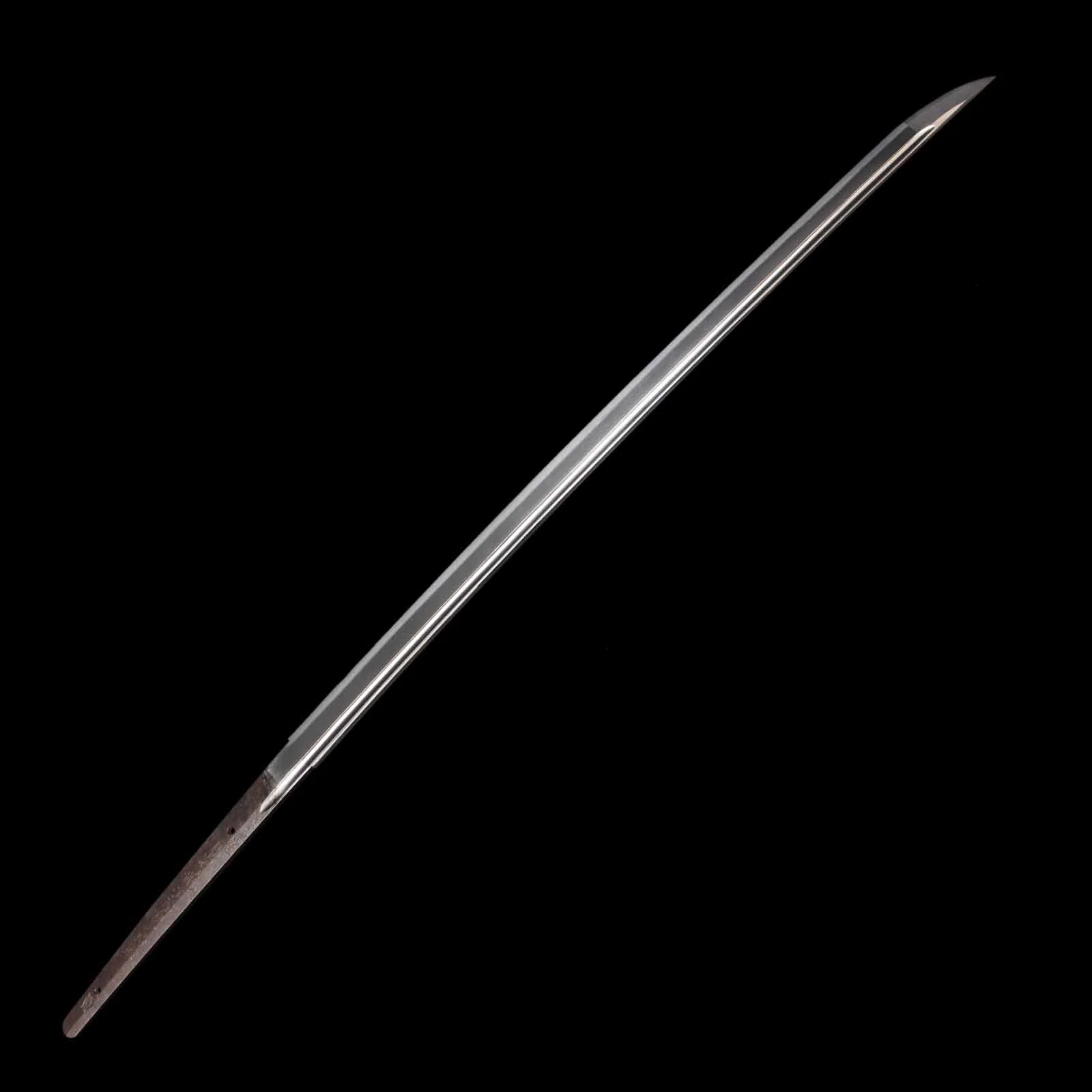
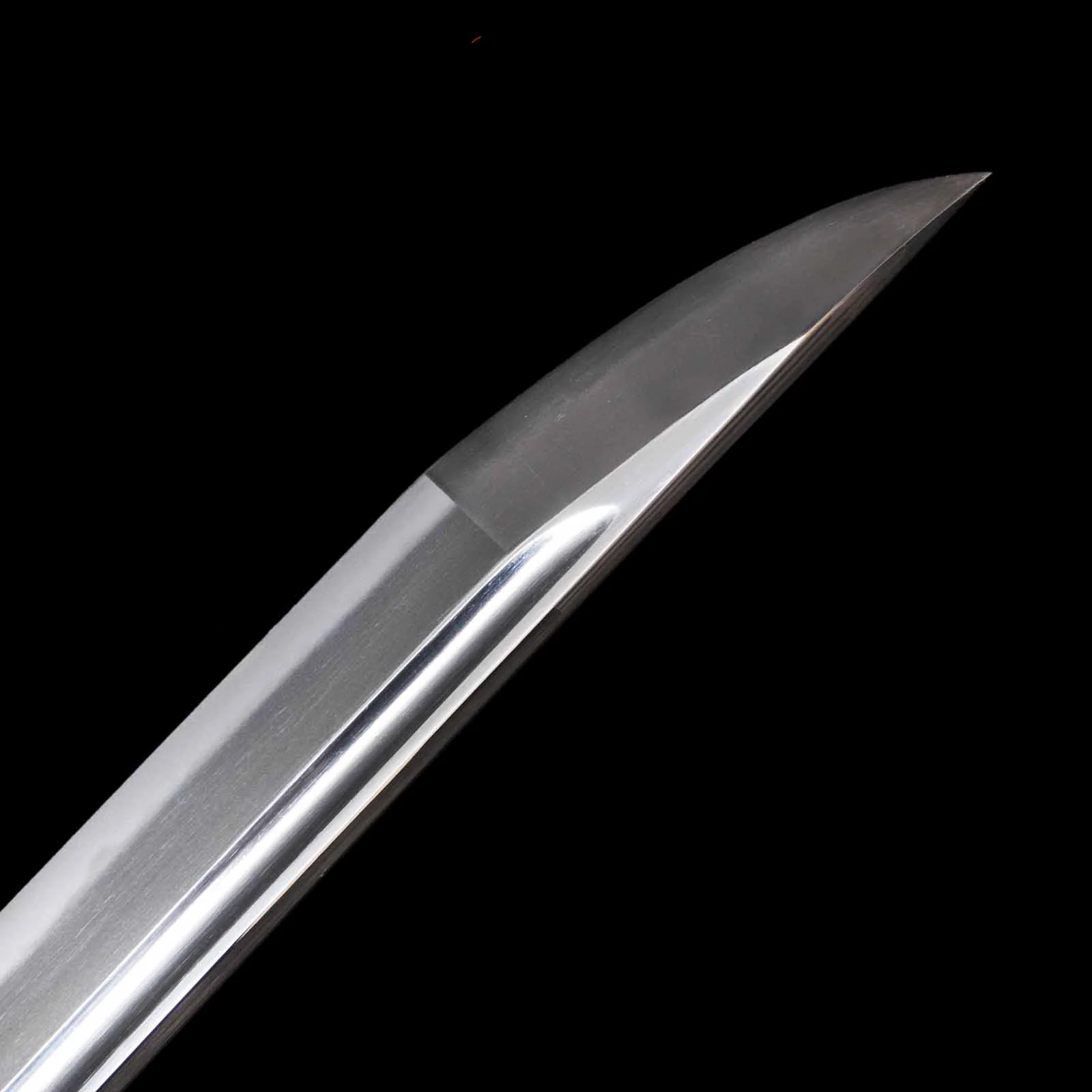
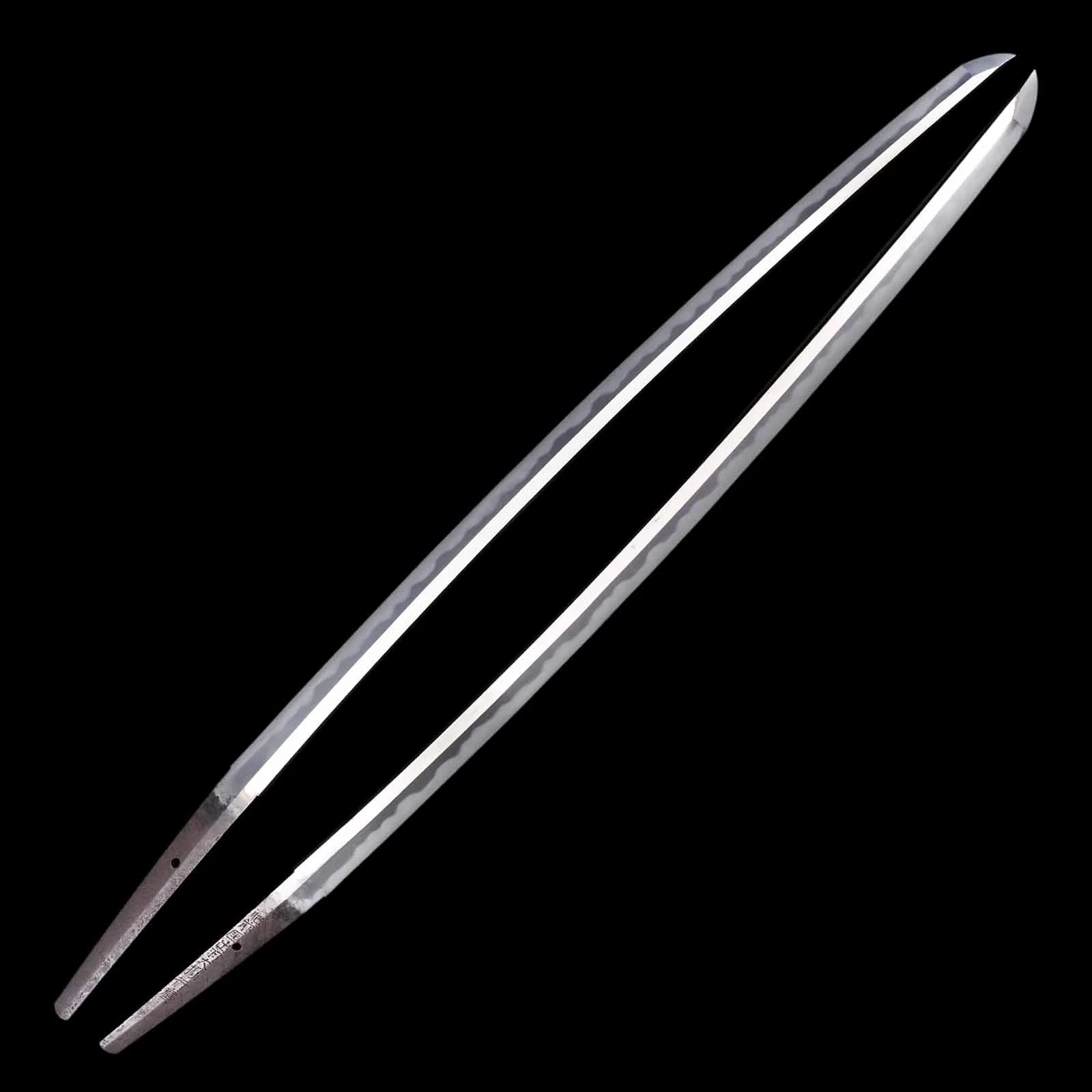
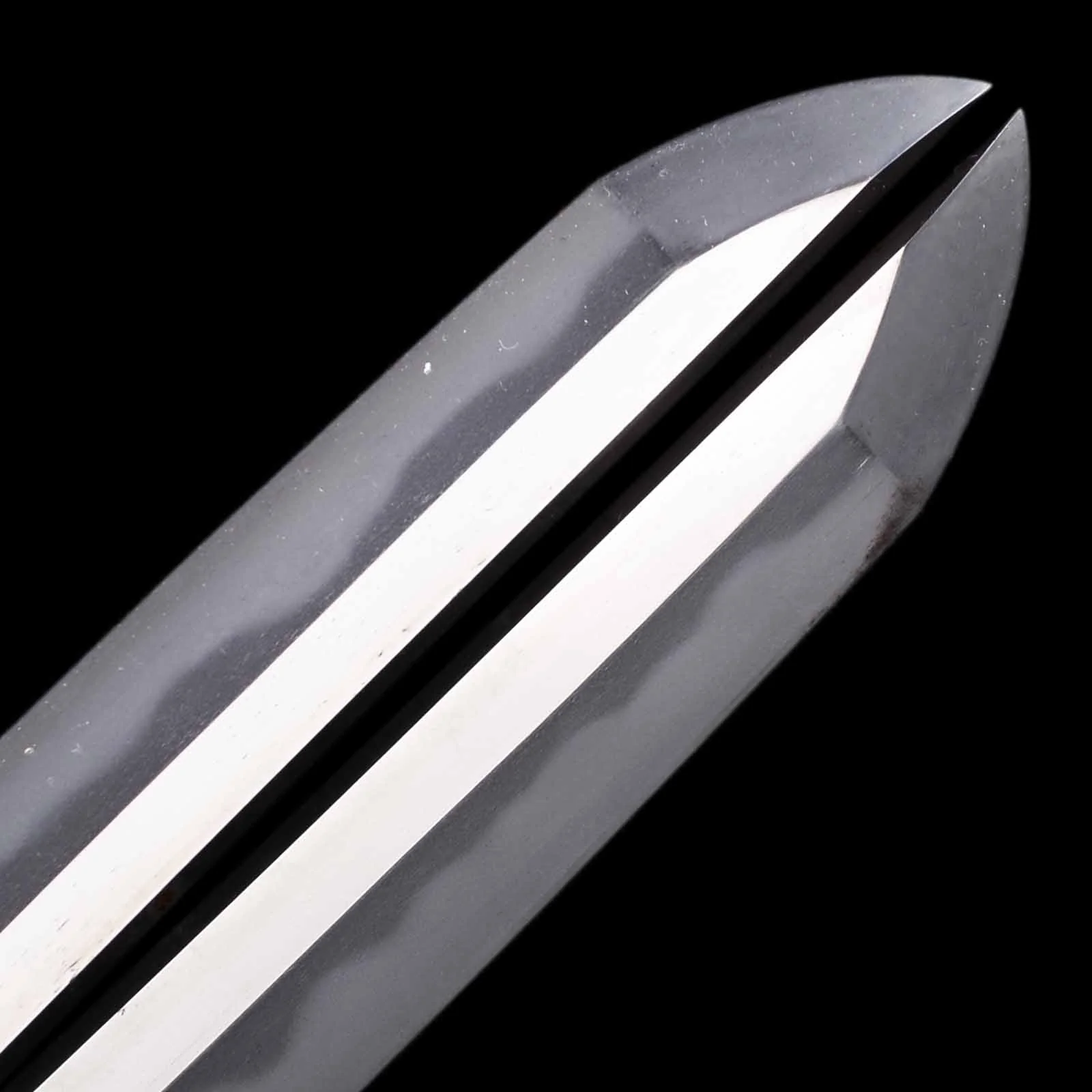
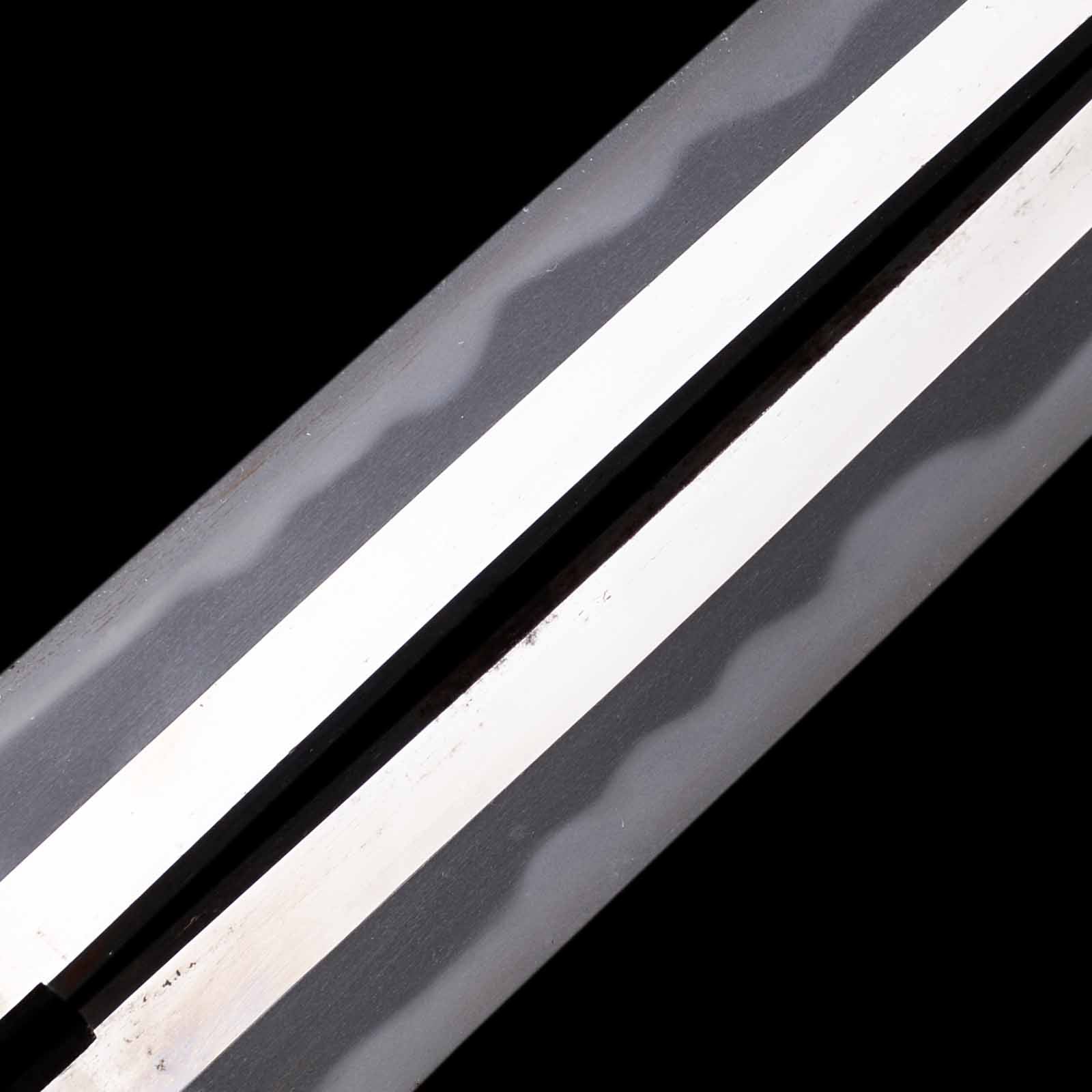
The blade is in polished condition, conveying the full character of its finely worked steel. As a sword that has passed through a long history, close inspection reveals a few very faint surface scratches (usukizu) and a 7.5 cm patch of black rust in the edge area beginning about 4.4 cm above the munemachi — honestly noted. Even so, the workmanship of steel and temper is exceptional, of the highest quality worthy of its Tokubetsu Kichō Tōken rank.
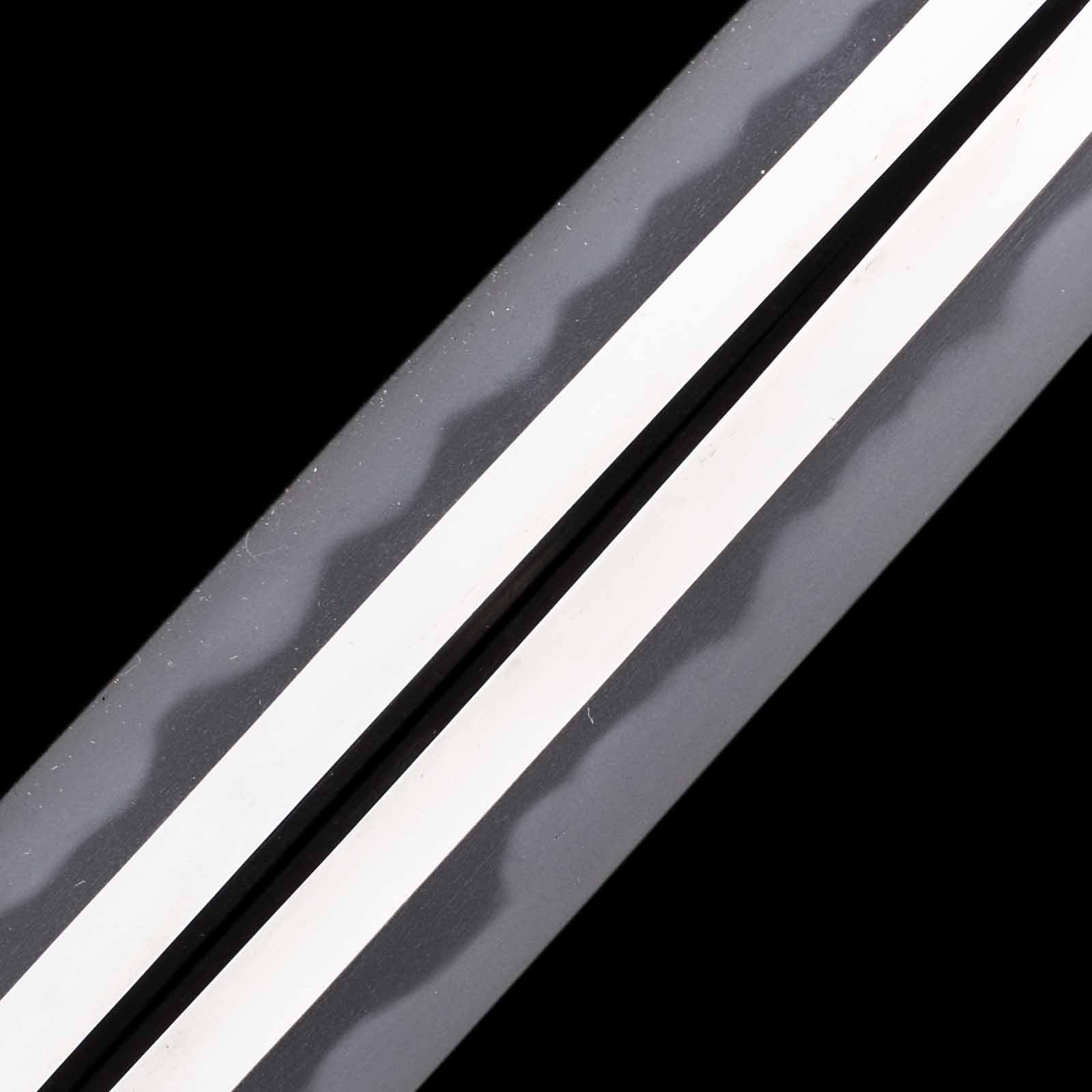
Over a beautifully forged konuka-hada — the dense, fine "rice-bran" grain that is the very essence of Hizen steel — the smith has tempered a pictorial, dynamic midareba of gunome. The activity within the edge is remarkably rich and lively, testimony that Yukihiro's craft had reached its very peak.
The period koshirae
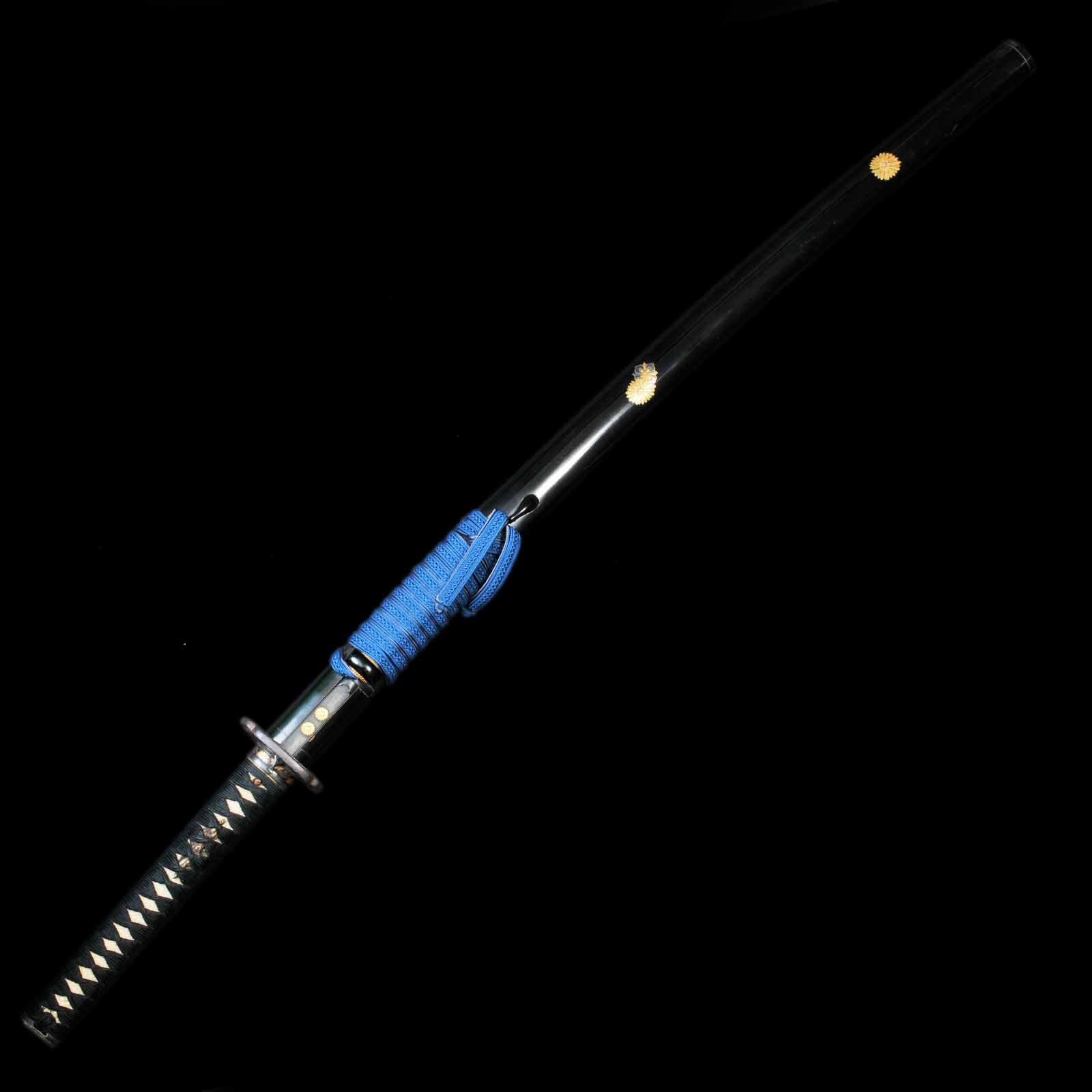
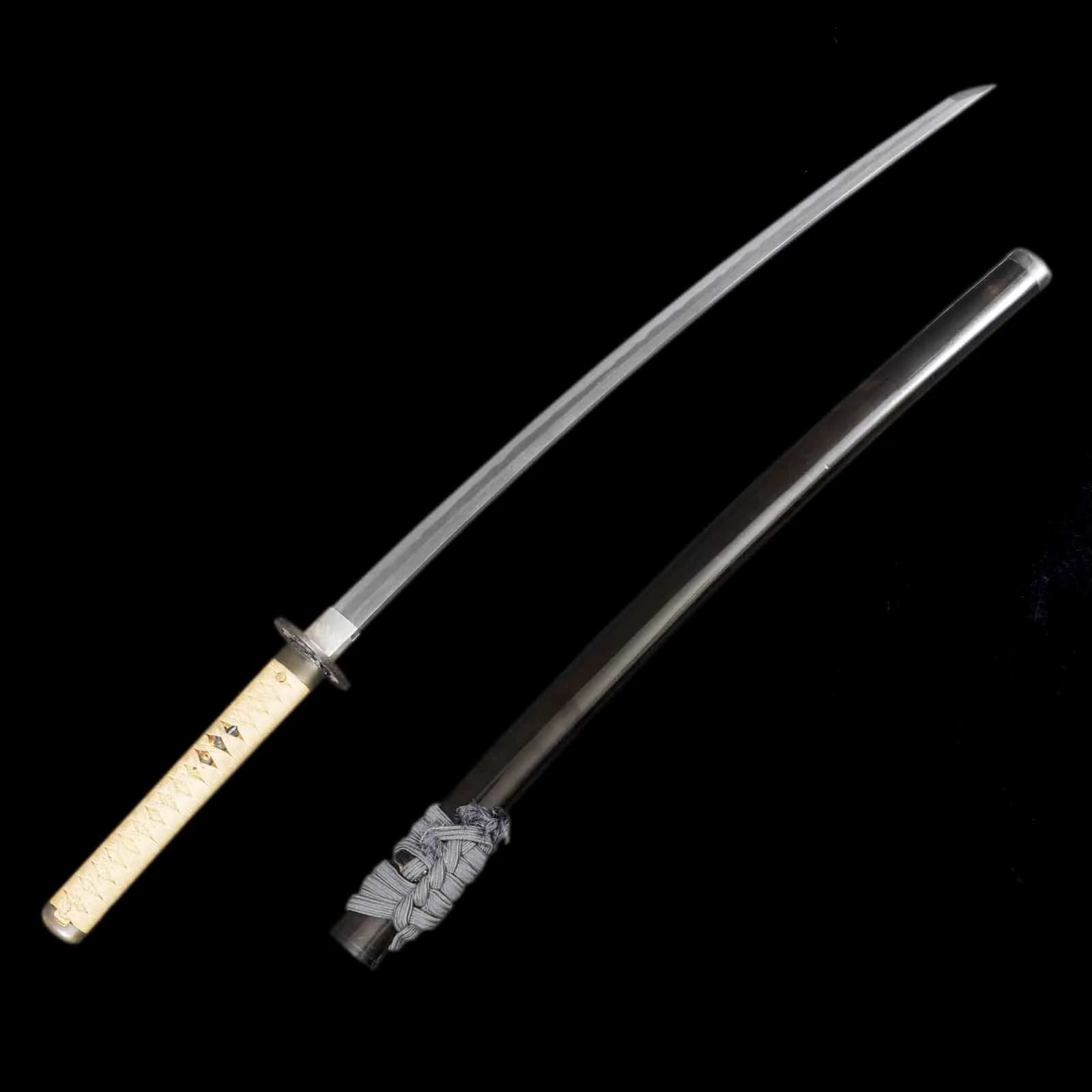
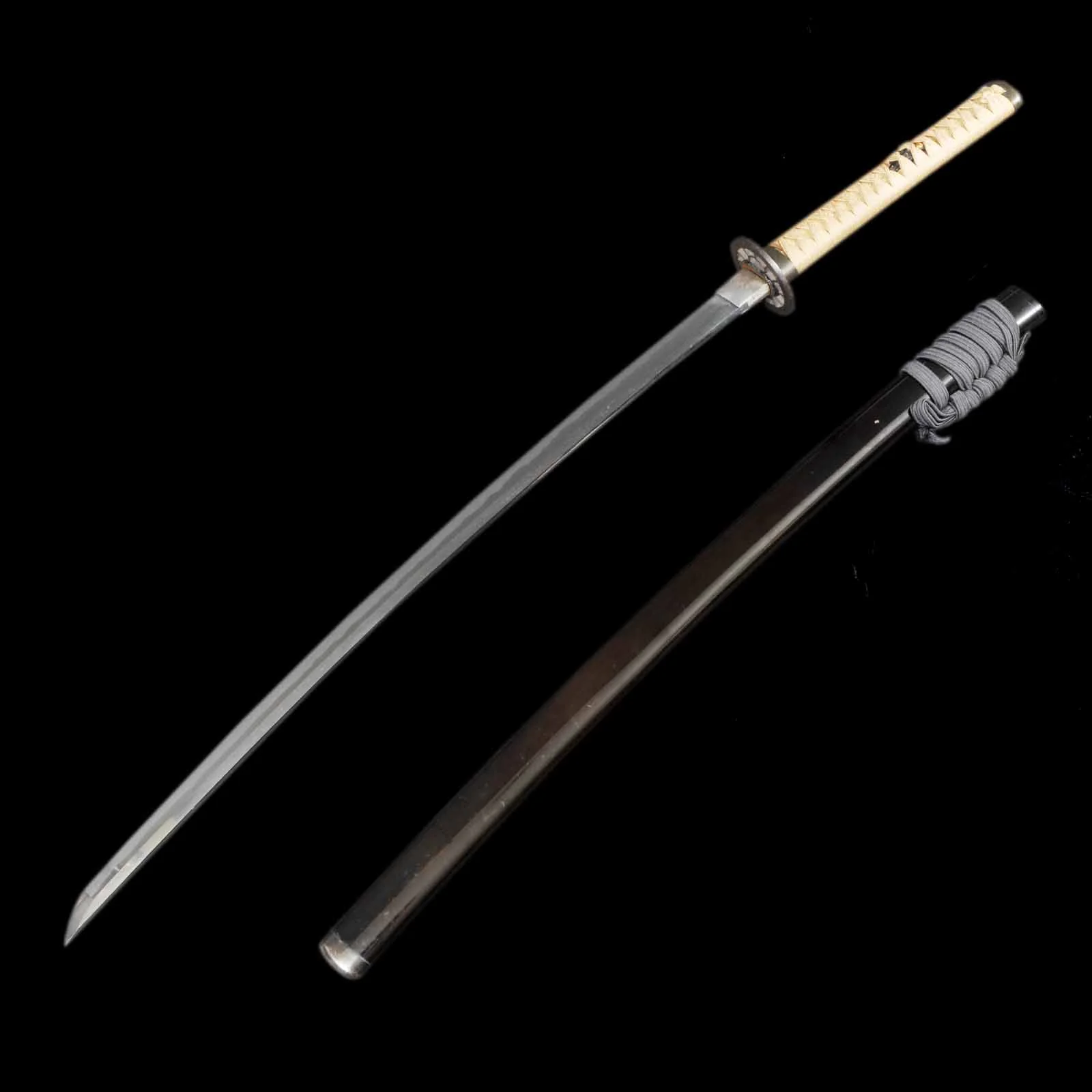
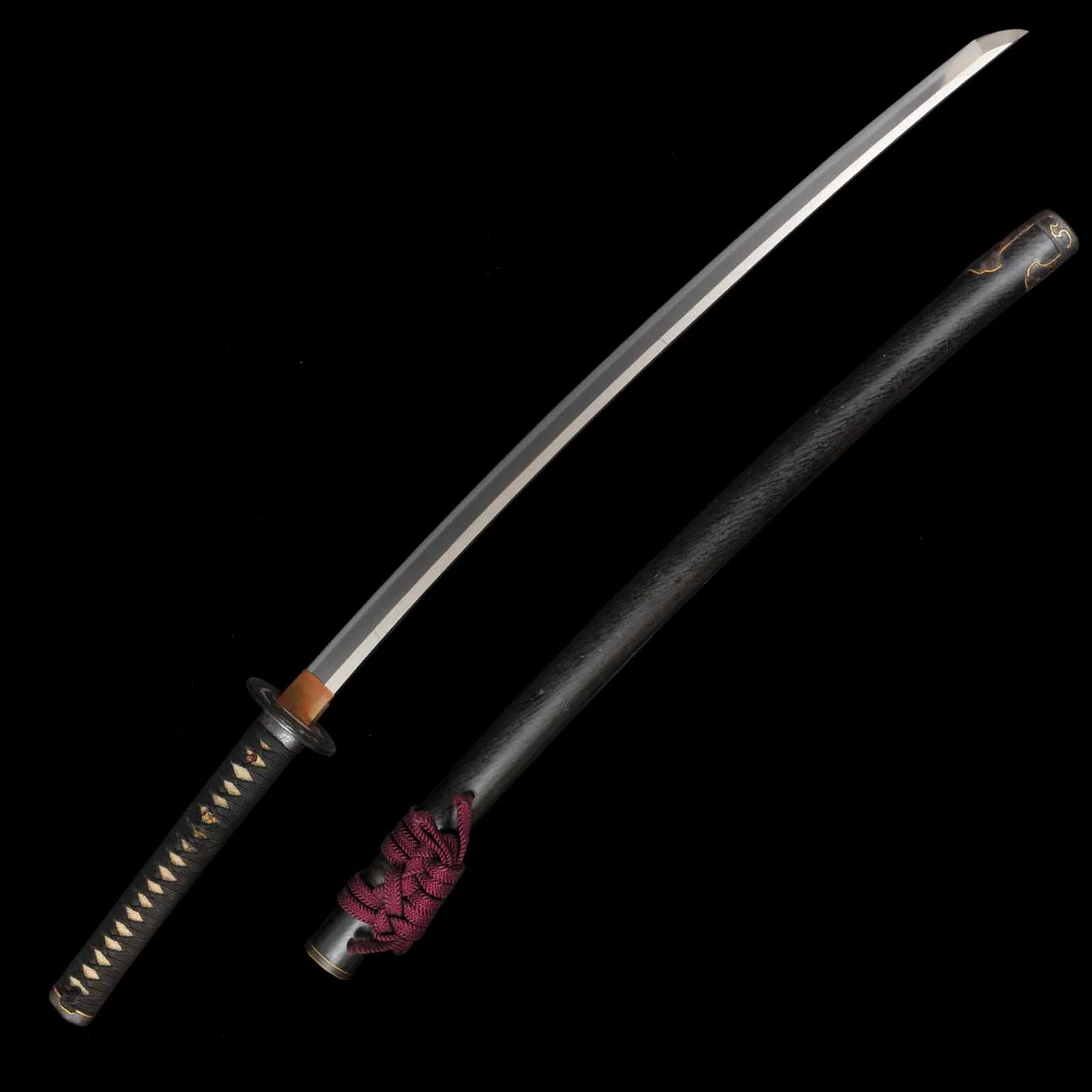
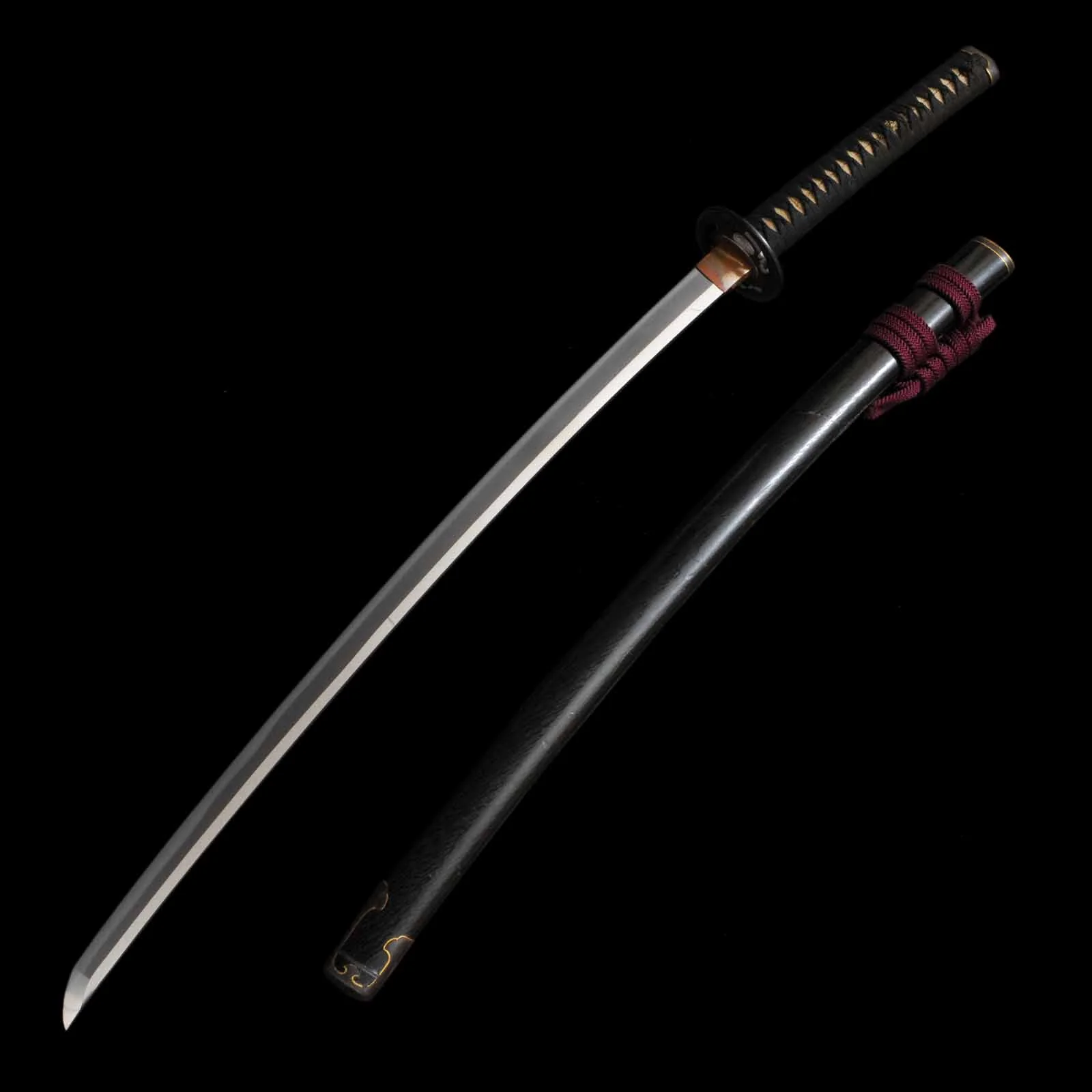
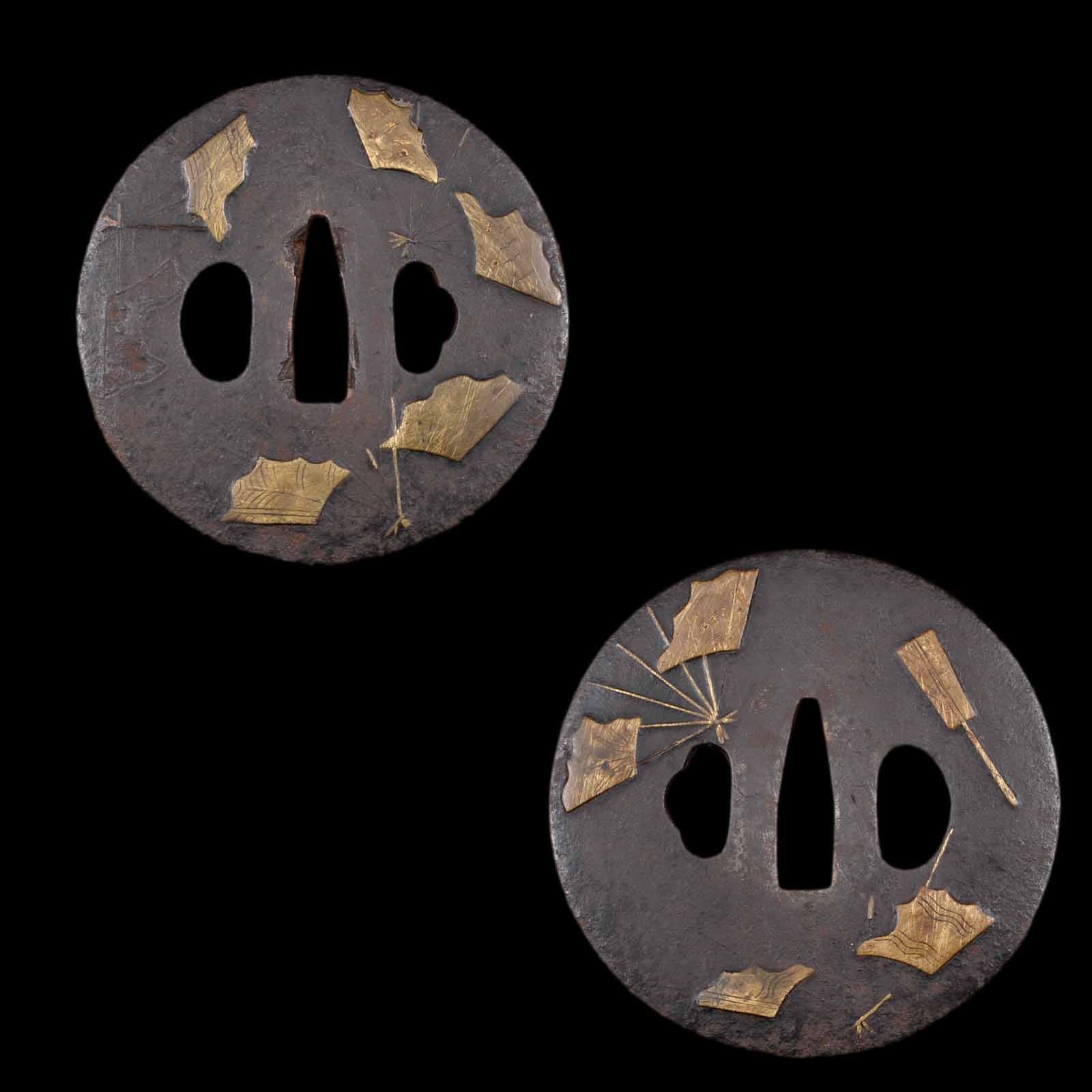
The sword comes with an exceptionally fine jidai koshirae (period mounting) that has been treasured and handed down with the blade across many generations. Far removed from any modern reproduction, it carries the deep patina of history and the mellow luster that only centuries of age and traditional lacquer can produce. Highlights include a superb iron tsuba inlaid with fans in dark-blue "Kon'ya" tone, and a menuki in the auspicious motif of pine-and-crane (shōkaku). It is a well-preserved historical artifact uniting the dignity of the samurai age with high artistry.
The smith: Dewa Daijō Yukihiro
Yukihiro was one of the most innovative and admired smiths of the celebrated Hizen shintō school, in the golden age of early Edo swordmaking. Though born into an elite line — a grandson of the great first-generation Tadayoshi — he sought his own path. Travelling to Nagasaki, he studied Dutch-derived metallurgical technique and became a pioneer in fusing imported "Dutch steel" (oranda-gitae) with traditional Japanese forging.
For his outstanding skill he received from the Court the title Dewa Daijō. His blades, prized for their formidable cutting ability and spirited, brilliant hamon, were highly valued by daimyō houses and senior samurai, securing his place as a first-rank master representing Hizen province.
The sayagaki of Satō Kanzan
Satō Kanzan, through his exceptional connoisseurship and immense knowledge, appraised countless National Treasures and Important Cultural Properties as well as masterworks handed down in daimyō families nationwide. In the sword world, the presence of a Kanzan sayagaki serves as a supreme guarantee of a blade's authenticity and artistic value — an ultimate mark of prestige for the collector.
Specifications
- Type: Katana (in tachi-style signature)
- Signature (mei): Hizen no Kuni Dewa Daijō Yukihiro (肥前国出羽大掾行廣)
- Smith: Yukihiro (1st generation), Hizen school
- Period: Early Edo period (mid-17th c.)
- Jigane: ko-nuka-hada (fine Hizen "rice-bran" grain)
- Hamon: midareba of gunome, with rich activity in the edge
- Blade length (nagasa): 70.9 cm / 27.91 in (2 shaku 3 sun 4 bu)
- Curvature (sori): 1.5 cm (5 bu)
- Width at base (motohaba): 30.8 mm
- Thickness at base (motokasane): 6.4 mm
- Width at tip (sakihaba): 19.7 mm
- Thickness at tip (sakikasane): 4.2 mm
- Weight (blade only): 710 g
- Weight (without scabbard): 980 g
- Condition: polished; faint usukizu and a 7.5 cm black-rust patch in the edge ~4.4 cm above the munemachi
- Mounting: jidai koshirae (period mounting) — iron tsuba with fan inlay, pine-and-crane menuki; with black-lacquer saya
- Certification: NBTHK Tokubetsu Kichō Tōken; sayagaki by Satō Kanzan
- Torokushō (Japanese registration) No.: Saga 822

Details & Craftsmanship
Every detail has been carefully considered to bring you the perfect product.
Details & Craftsmanship
Every detail has been carefully considered to bring you the perfect product.
Details & Craftsmanship
Every detail has been carefully considered to bring you the perfect product.
Details & Craftsmanship
Every detail has been carefully considered to bring you the perfect product.

Details & Craftsmanship
Every detail has been carefully considered to bring you the perfect product.
Details & Craftsmanship
Every detail has been carefully considered to bring you the perfect product.

Details & Craftsmanship
Every detail has been carefully considered to bring you the perfect product.
Details & Craftsmanship
Every detail has been carefully considered to bring you the perfect product.

Details & Craftsmanship
Every detail has been carefully considered to bring you the perfect product.

Details & Craftsmanship
Every detail has been carefully considered to bring you the perfect product.

Details & Craftsmanship
Every detail has been carefully considered to bring you the perfect product.

Details & Craftsmanship
Every detail has been carefully considered to bring you the perfect product.
Details & Craftsmanship
Every detail has been carefully considered to bring you the perfect product.

Details & Craftsmanship
Every detail has been carefully considered to bring you the perfect product.
Description
Antique Japanese Katana, signed Hizen no Kuni Dewa Daijō Yukihiro — with Satō Kanzan sayagaki & period koshirae
Hizen school (1st gen. Yukihiro) · Early Edo period · NBTHK Tokubetsu Kichō Tōken · in original antique mounting
Accompanied by an NBTHK Tokubetsu Kichō Tōken ("Especially Precious Sword") certificate and a sayagaki by Satō Kanzan.
A distinguished katana whose rare skill and historical value are confirmed by its Tokubetsu Kichō Tōken certification. The tang is crisply signed Hizen no Kuni Dewa Daijō Yukihiro (肥前国出羽大掾行廣). Adding greatly to its standing, the blade also carries a sayagaki (scabbard inscription) by Satō Kanzan — the foremost modern authority on Japanese sword study — a mark that collectors regard as the highest endorsement of a blade's authenticity and artistic merit.
Workmanship and condition
The blade is in polished condition, conveying the full character of its finely worked steel. As a sword that has passed through a long history, close inspection reveals a few very faint surface scratches (usukizu) and a 7.5 cm patch of black rust in the edge area beginning about 4.4 cm above the munemachi — honestly noted. Even so, the workmanship of steel and temper is exceptional, of the highest quality worthy of its Tokubetsu Kichō Tōken rank.
Over a beautifully forged konuka-hada — the dense, fine "rice-bran" grain that is the very essence of Hizen steel — the smith has tempered a pictorial, dynamic midareba of gunome. The activity within the edge is remarkably rich and lively, testimony that Yukihiro's craft had reached its very peak.
The period koshirae
The sword comes with an exceptionally fine jidai koshirae (period mounting) that has been treasured and handed down with the blade across many generations. Far removed from any modern reproduction, it carries the deep patina of history and the mellow luster that only centuries of age and traditional lacquer can produce. Highlights include a superb iron tsuba inlaid with fans in dark-blue "Kon'ya" tone, and a menuki in the auspicious motif of pine-and-crane (shōkaku). It is a well-preserved historical artifact uniting the dignity of the samurai age with high artistry.
The smith: Dewa Daijō Yukihiro
Yukihiro was one of the most innovative and admired smiths of the celebrated Hizen shintō school, in the golden age of early Edo swordmaking. Though born into an elite line — a grandson of the great first-generation Tadayoshi — he sought his own path. Travelling to Nagasaki, he studied Dutch-derived metallurgical technique and became a pioneer in fusing imported "Dutch steel" (oranda-gitae) with traditional Japanese forging.
For his outstanding skill he received from the Court the title Dewa Daijō. His blades, prized for their formidable cutting ability and spirited, brilliant hamon, were highly valued by daimyō houses and senior samurai, securing his place as a first-rank master representing Hizen province.
The sayagaki of Satō Kanzan
Satō Kanzan, through his exceptional connoisseurship and immense knowledge, appraised countless National Treasures and Important Cultural Properties as well as masterworks handed down in daimyō families nationwide. In the sword world, the presence of a Kanzan sayagaki serves as a supreme guarantee of a blade's authenticity and artistic value — an ultimate mark of prestige for the collector.
Specifications
- Type: Katana (in tachi-style signature)
- Signature (mei): Hizen no Kuni Dewa Daijō Yukihiro (肥前国出羽大掾行廣)
- Smith: Yukihiro (1st generation), Hizen school
- Period: Early Edo period (mid-17th c.)
- Jigane: ko-nuka-hada (fine Hizen "rice-bran" grain)
- Hamon: midareba of gunome, with rich activity in the edge
- Blade length (nagasa): 70.9 cm / 27.91 in (2 shaku 3 sun 4 bu)
- Curvature (sori): 1.5 cm (5 bu)
- Width at base (motohaba): 30.8 mm
- Thickness at base (motokasane): 6.4 mm
- Width at tip (sakihaba): 19.7 mm
- Thickness at tip (sakikasane): 4.2 mm
- Weight (blade only): 710 g
- Weight (without scabbard): 980 g
- Condition: polished; faint usukizu and a 7.5 cm black-rust patch in the edge ~4.4 cm above the munemachi
- Mounting: jidai koshirae (period mounting) — iron tsuba with fan inlay, pine-and-crane menuki; with black-lacquer saya
- Certification: NBTHK Tokubetsu Kichō Tōken; sayagaki by Satō Kanzan
- Torokushō (Japanese registration) No.: Saga 822