Original: $2,596.02
-65%$2,596.02
$908.61The Story
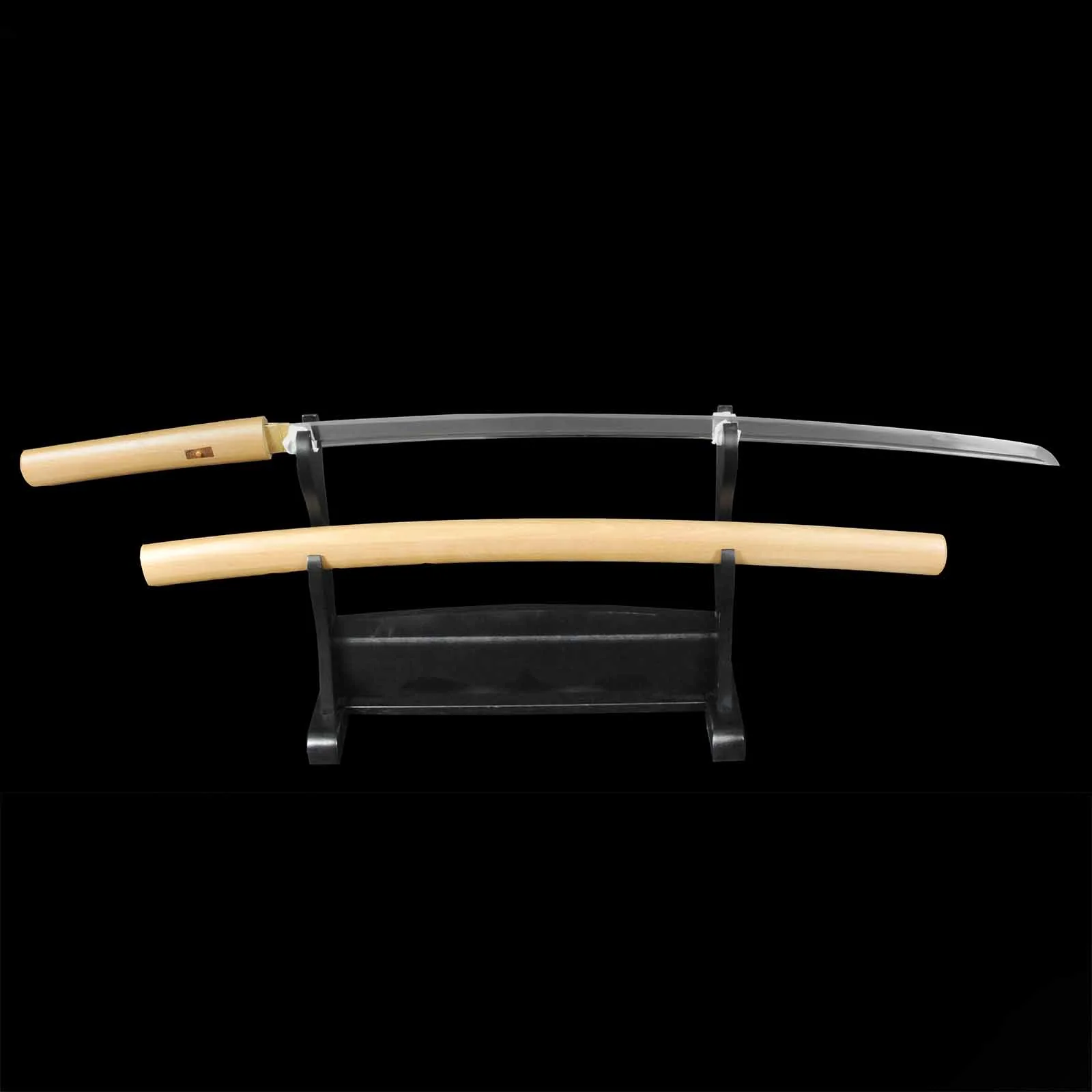
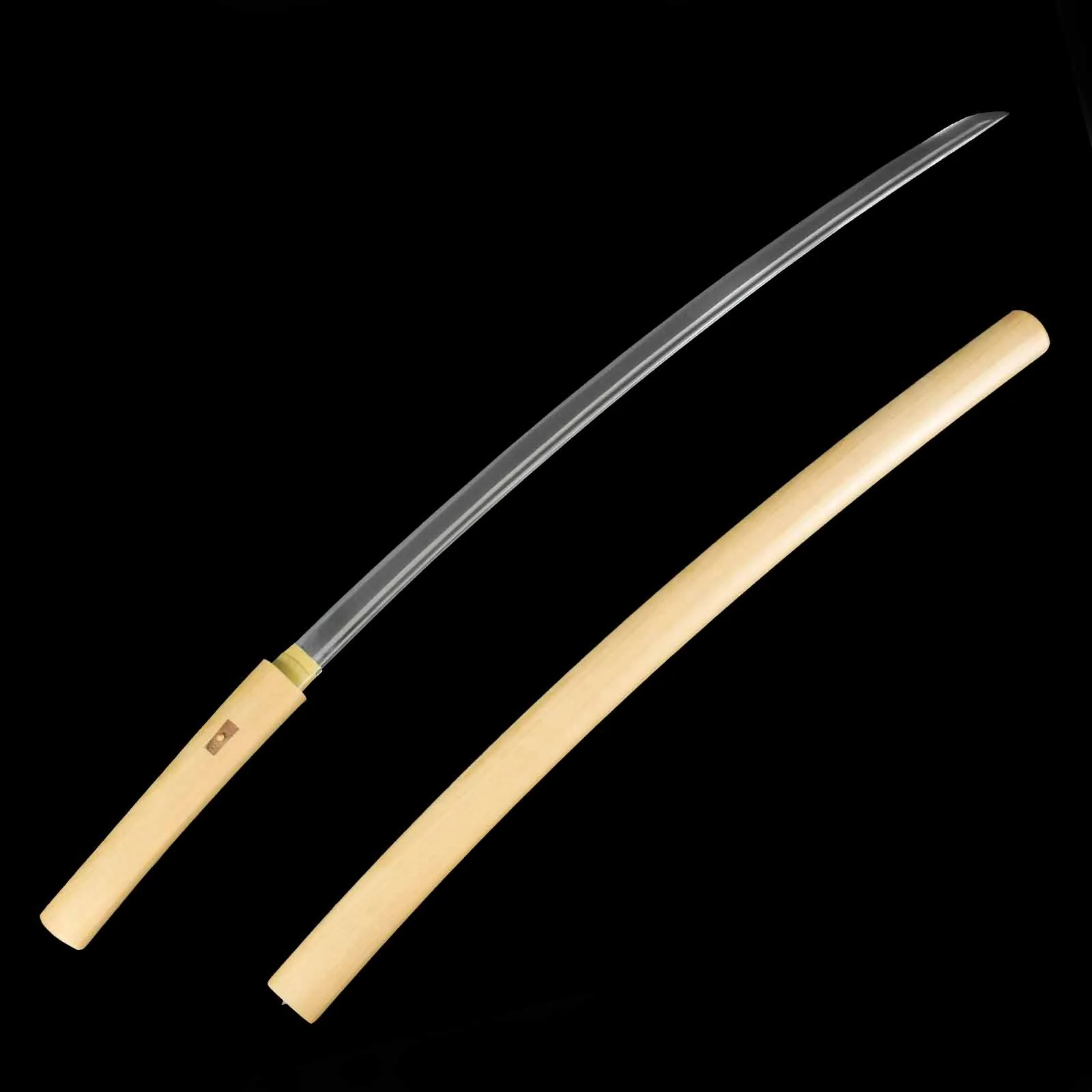
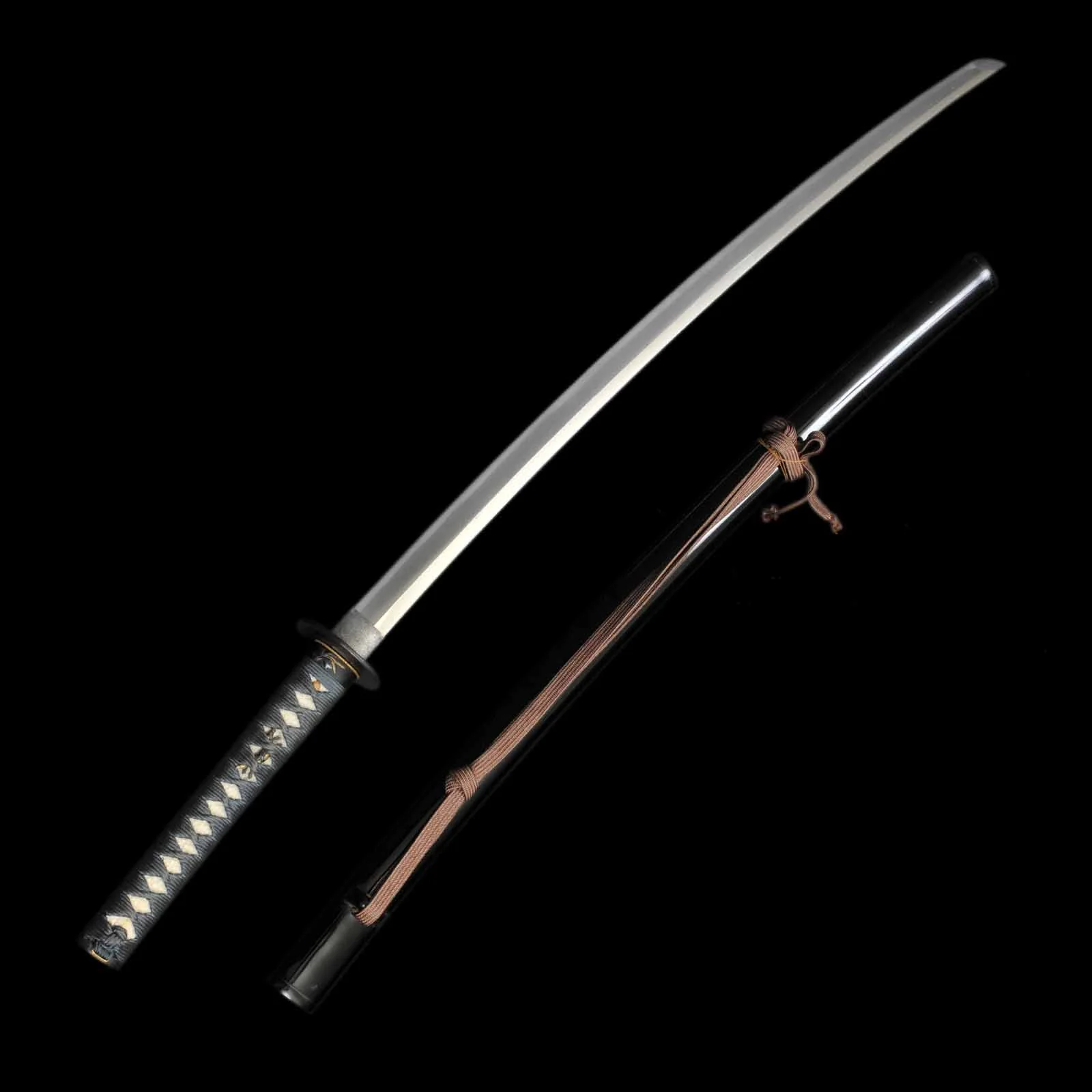
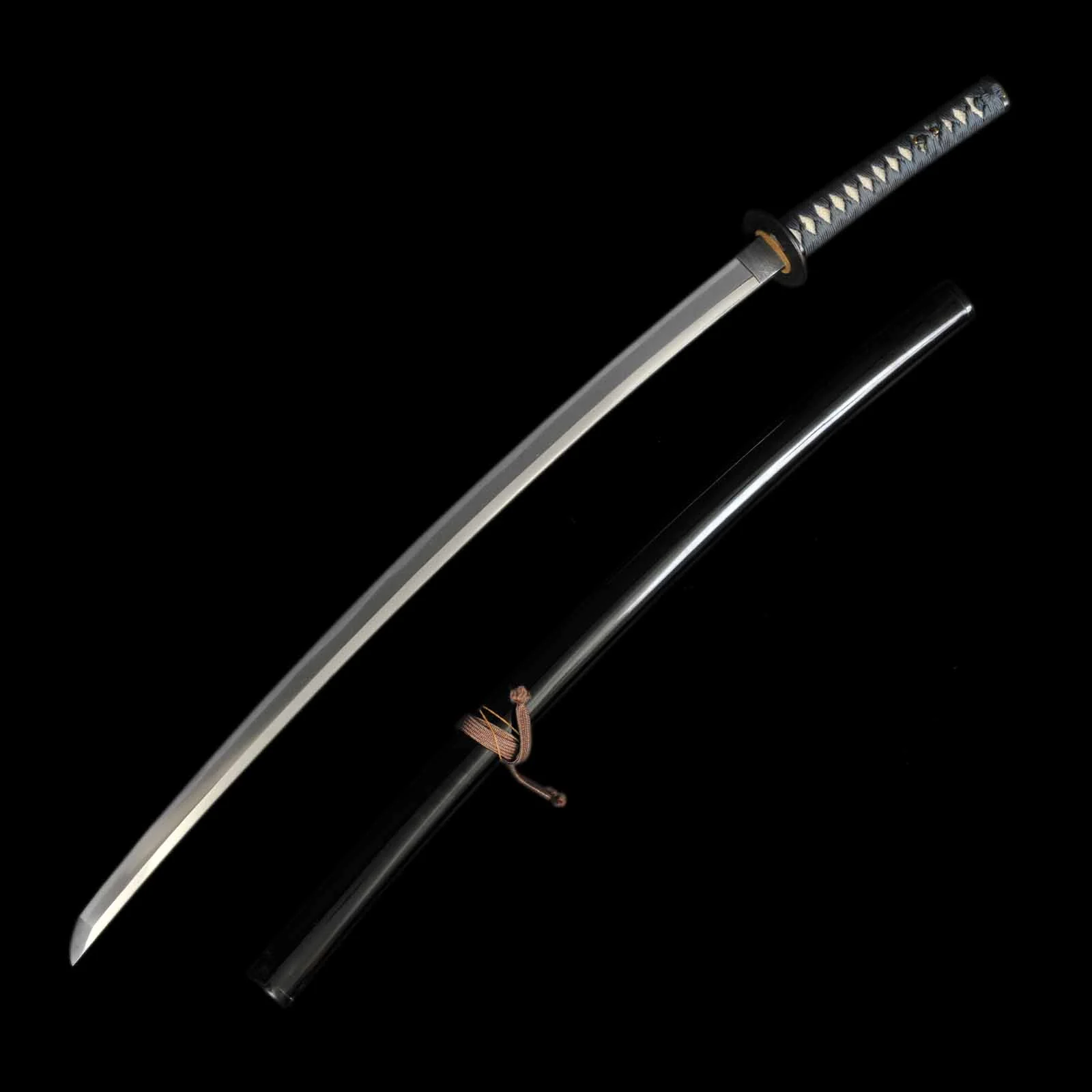
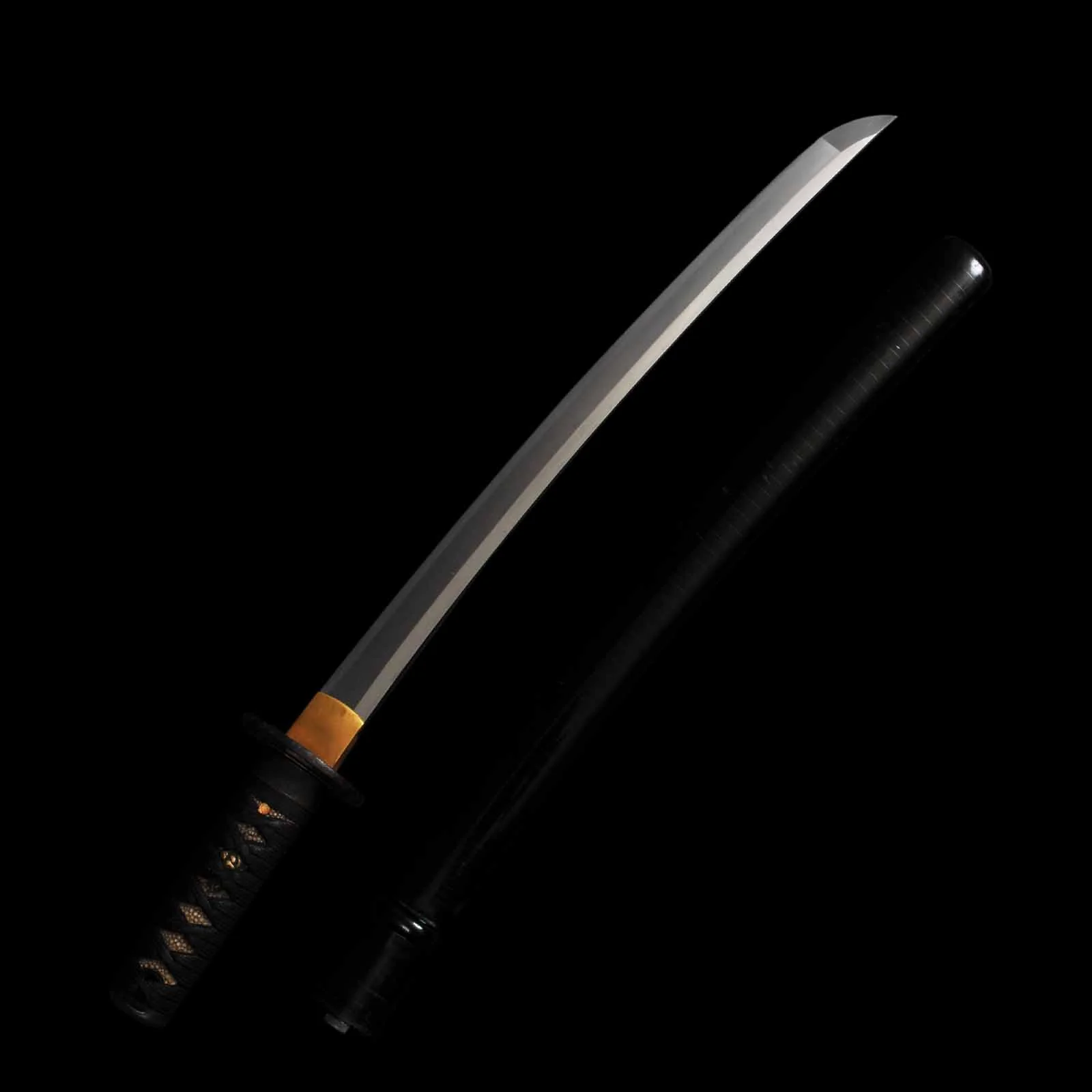
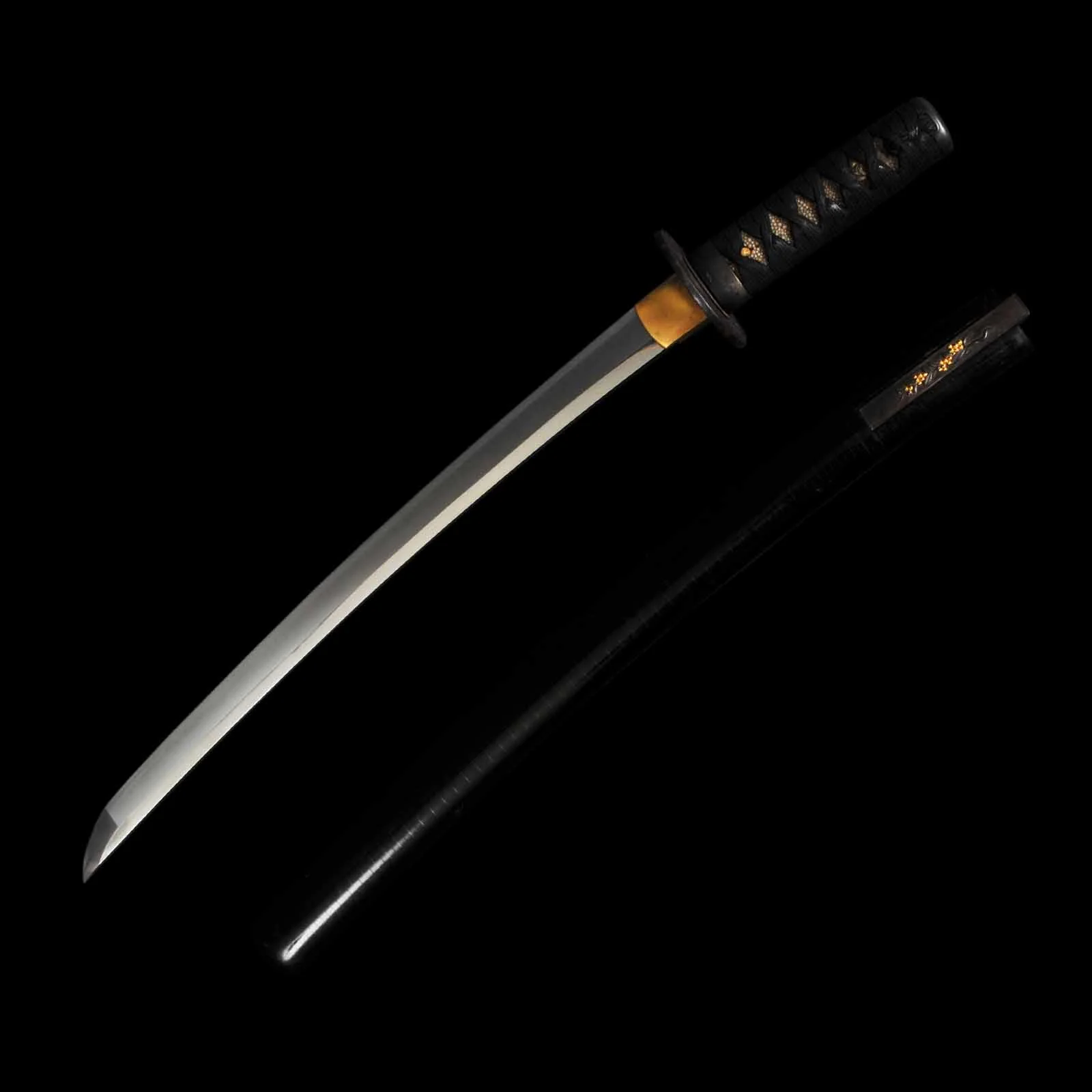
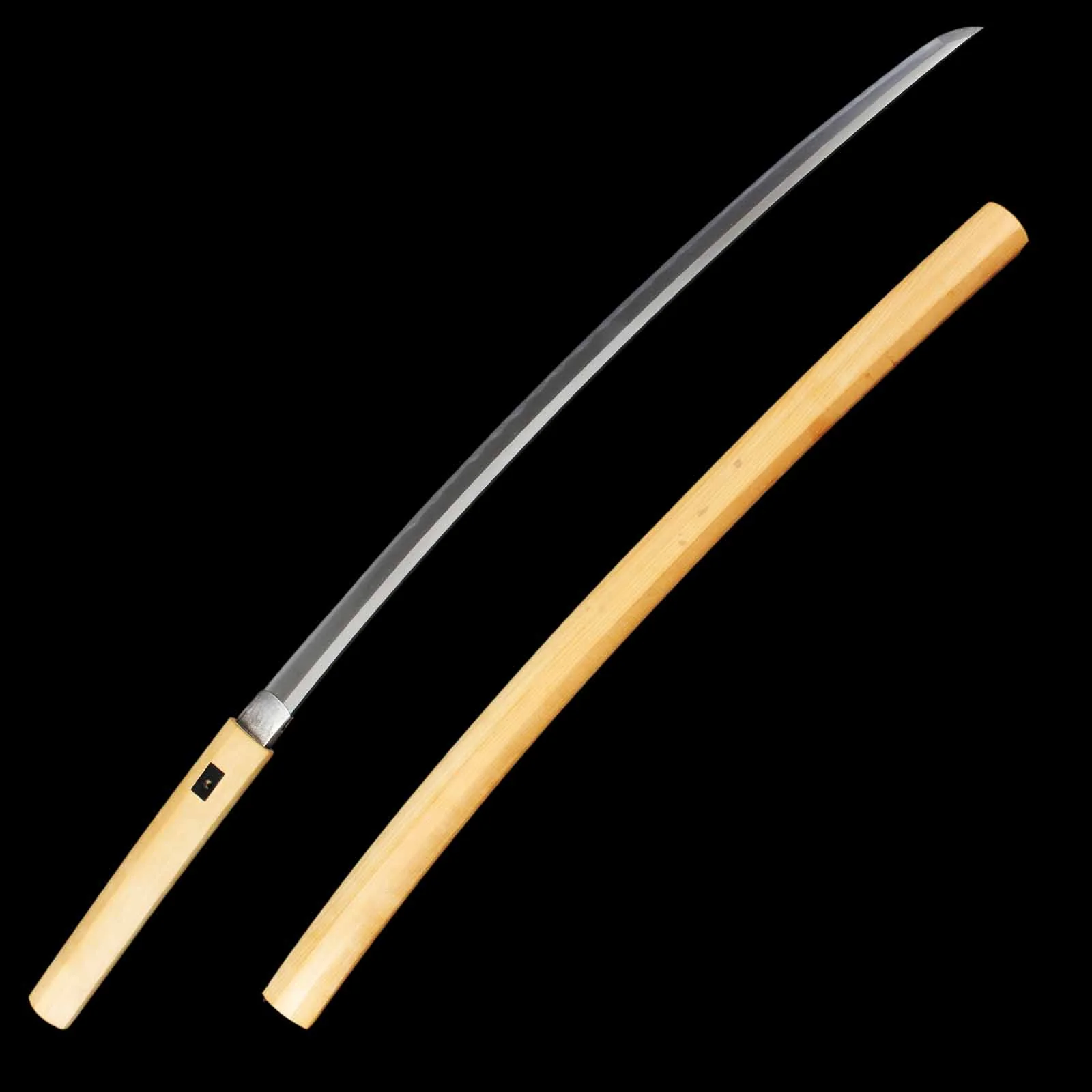
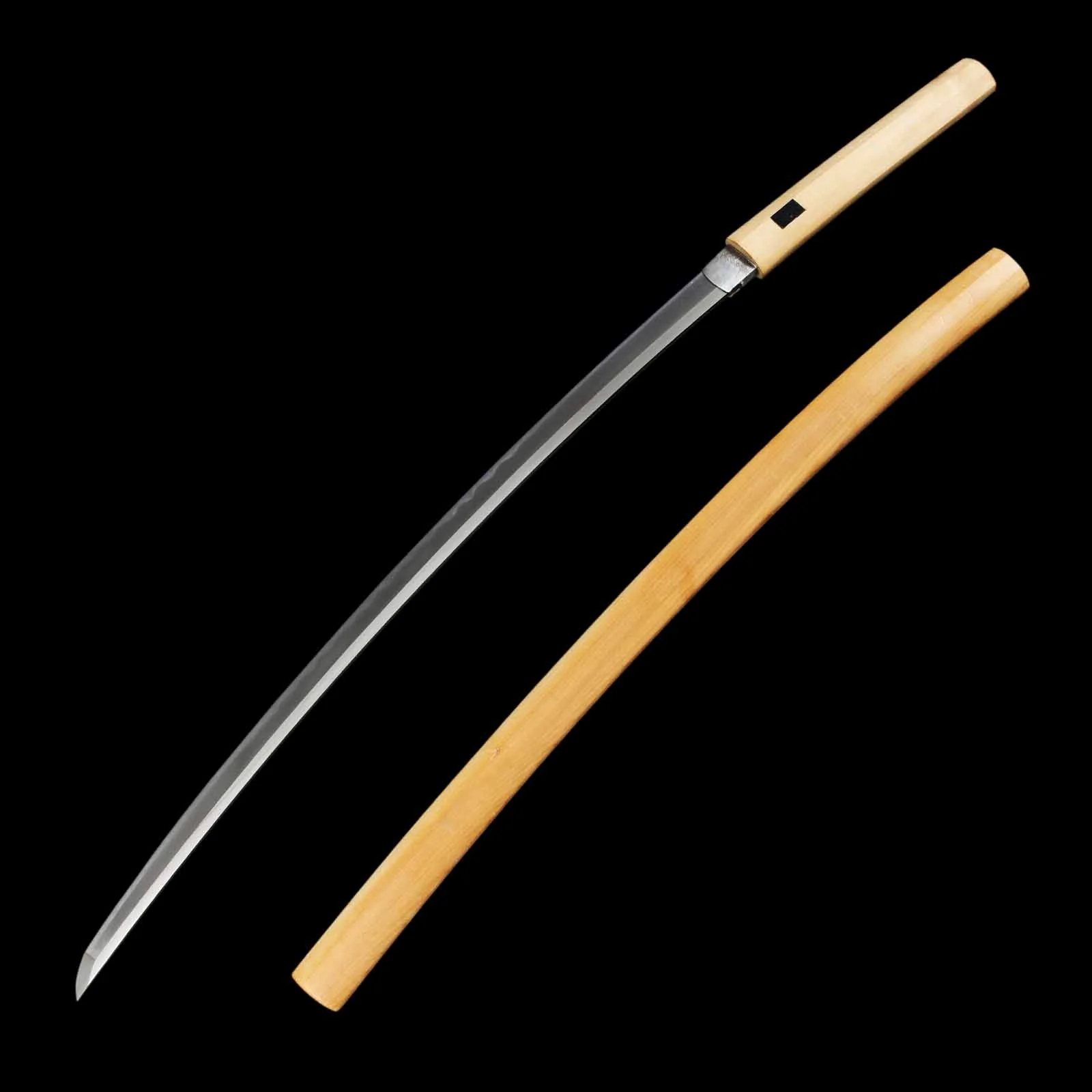
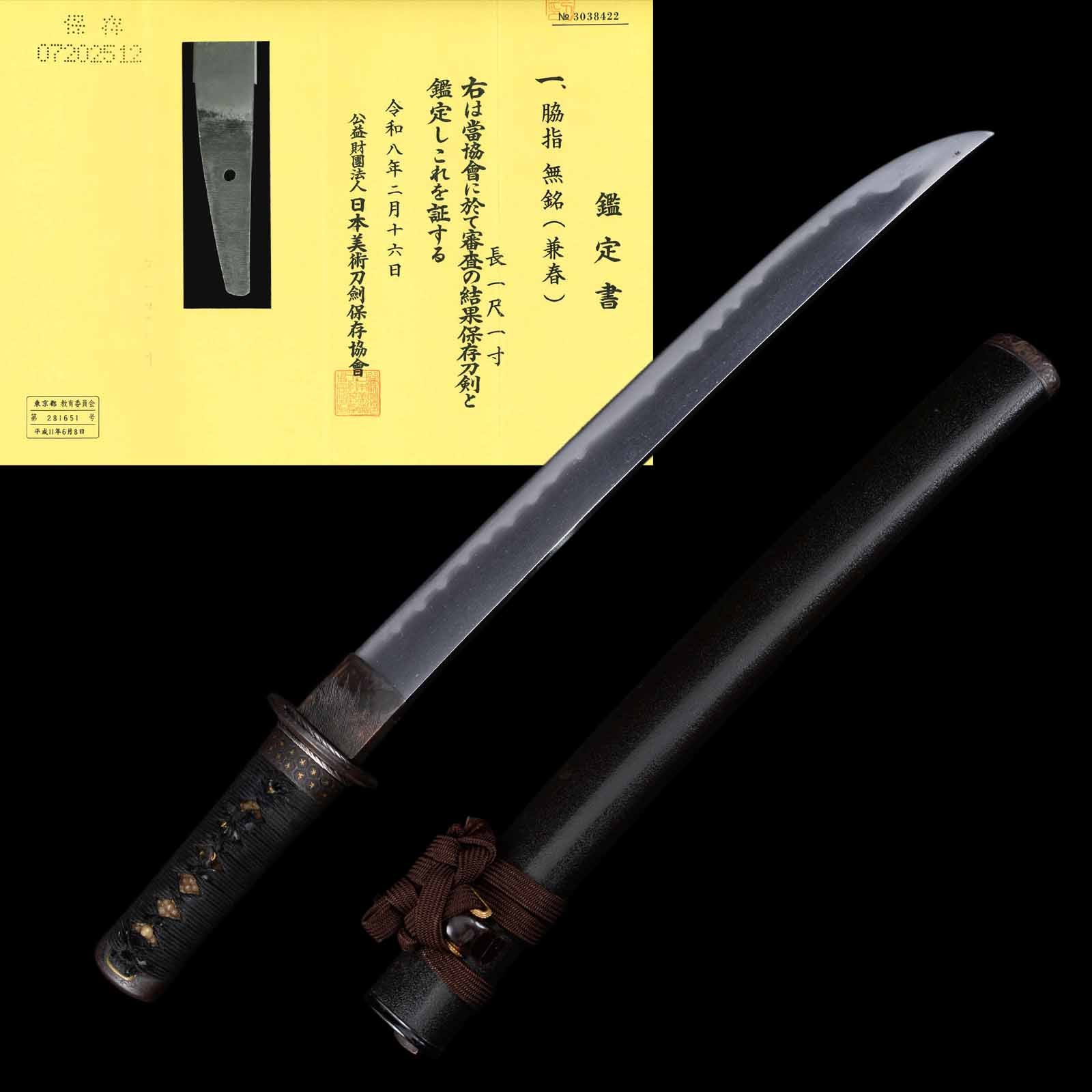
Antique Japanese Ko-wakizashi, unsigned (mumei) — attributed to Kaneharu of Mino — late Muromachi period (Eiroku era) — NBTHK Hozon Tōken, in period koshirae with kozuka
Ubu, wide-bodied hira-zukuri ko-wakizashi · well-forged ko-itame steel with a lively gunome edge · in an elaborate period mounting with a matching kozuka · NBTHK Hozon papered to "Kaneharu"
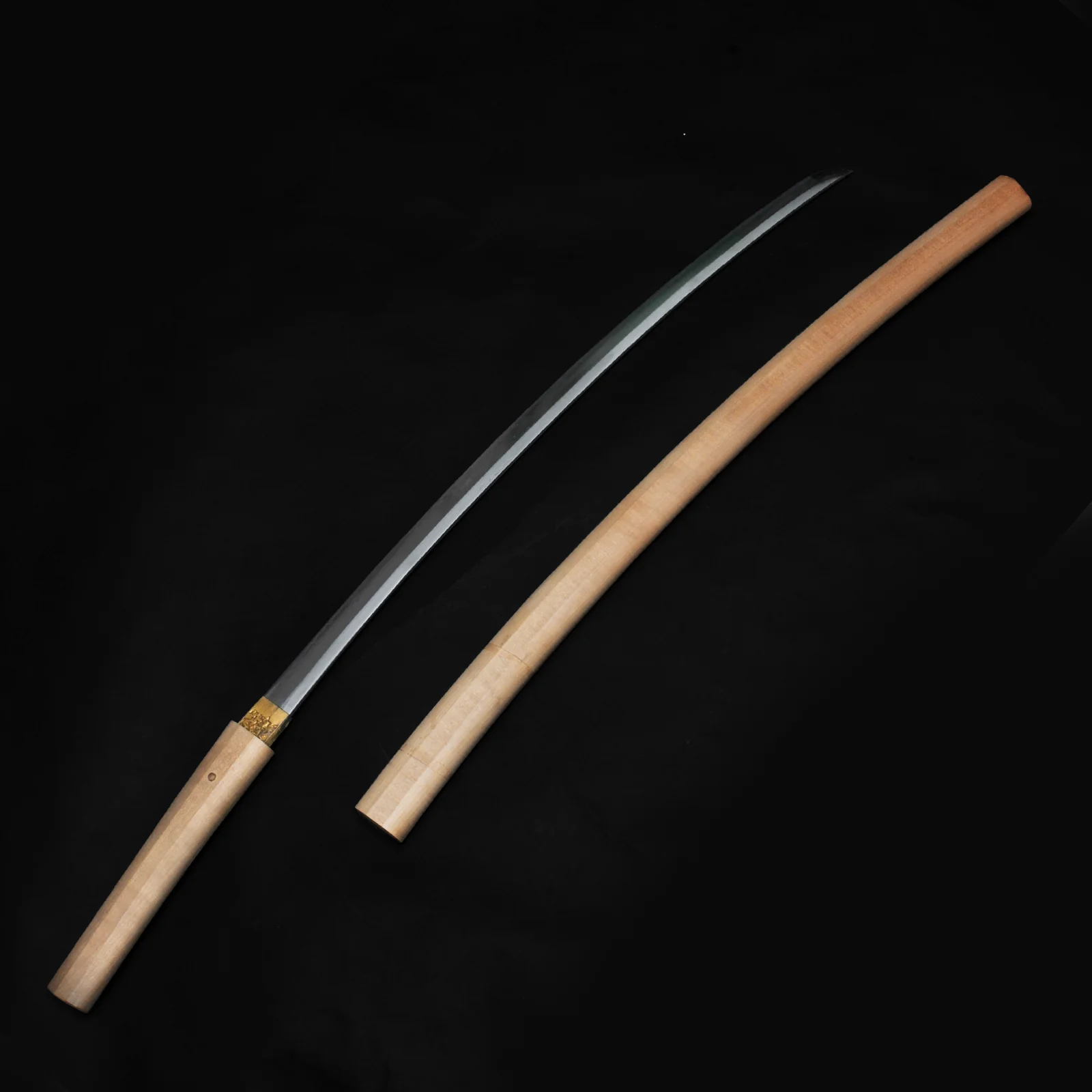
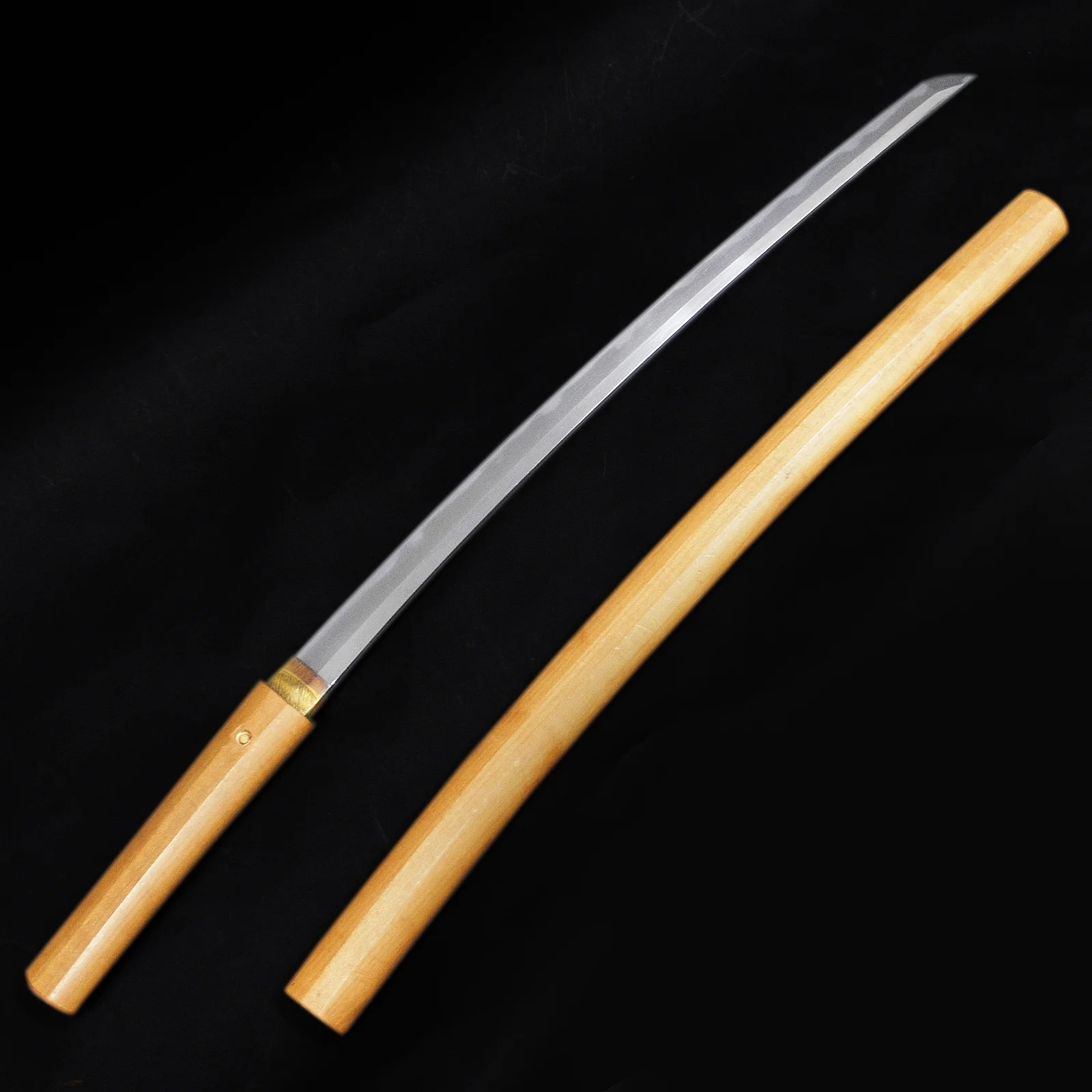
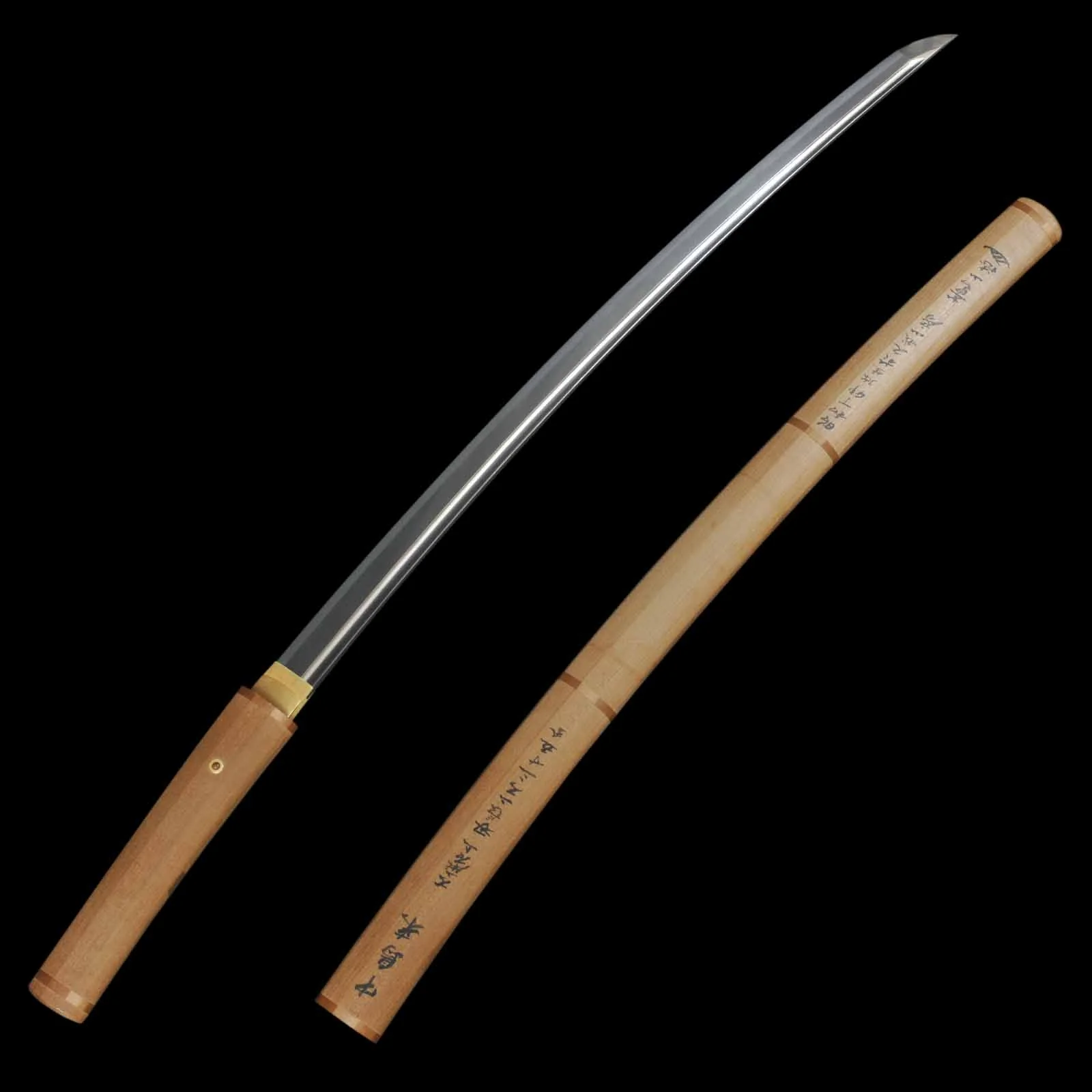
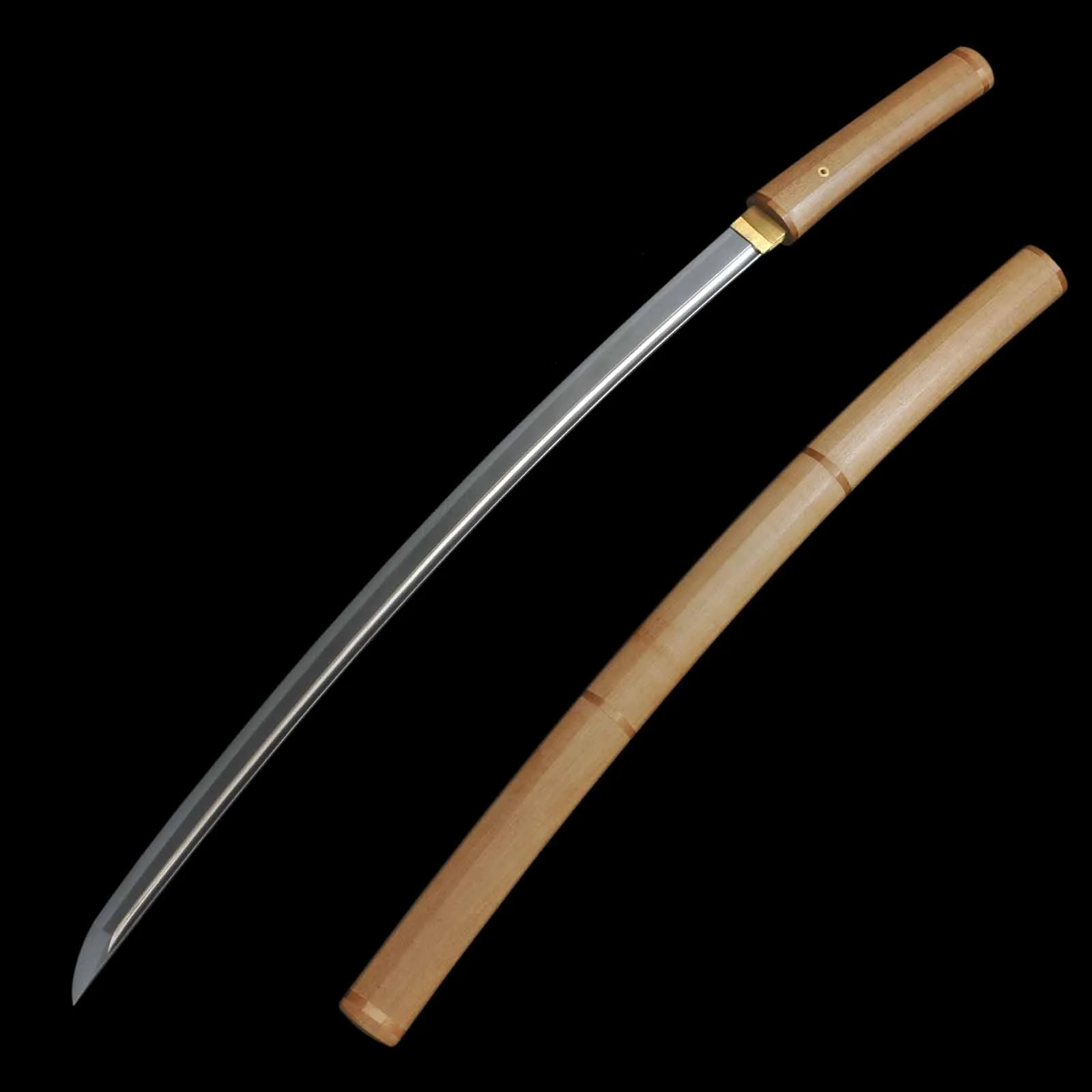
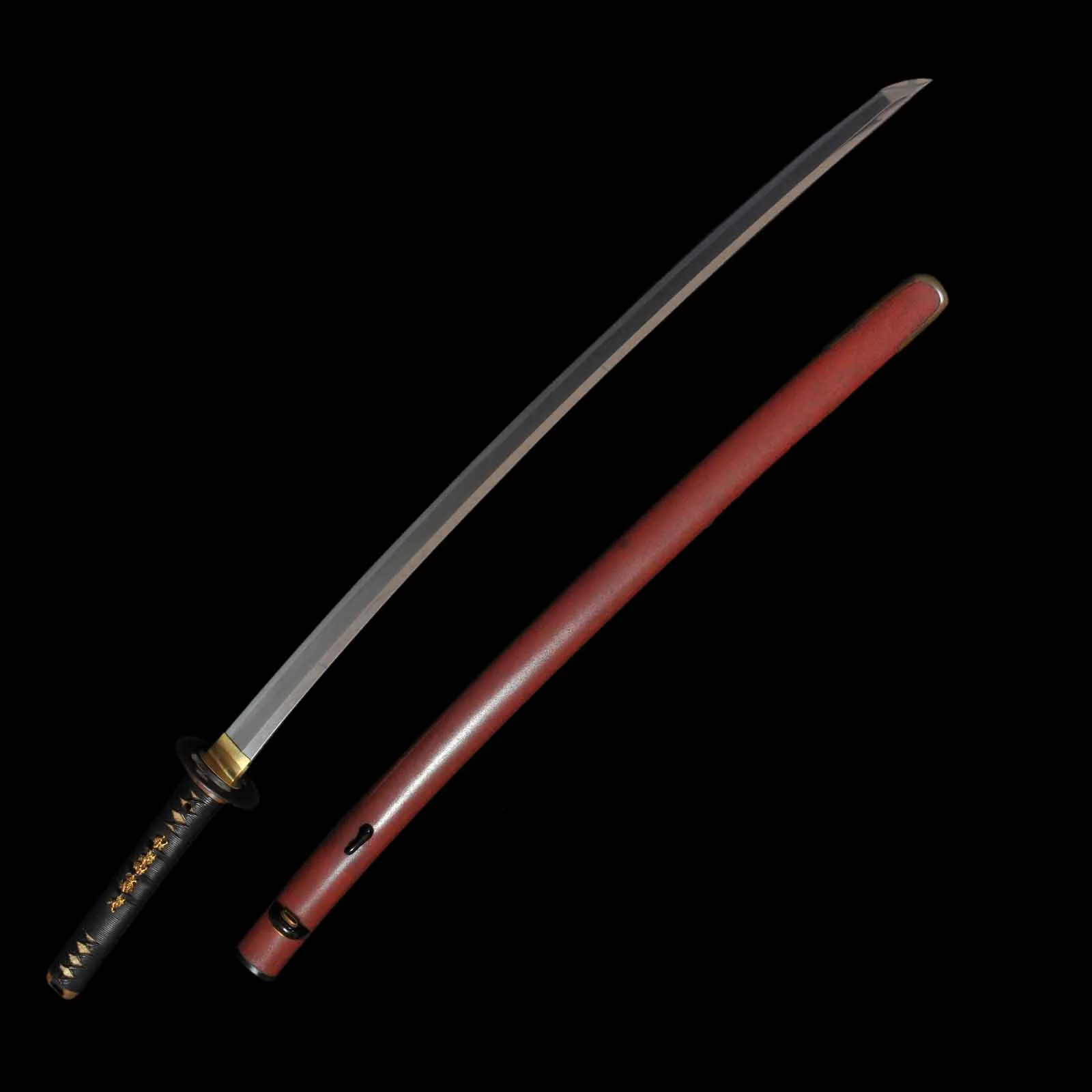
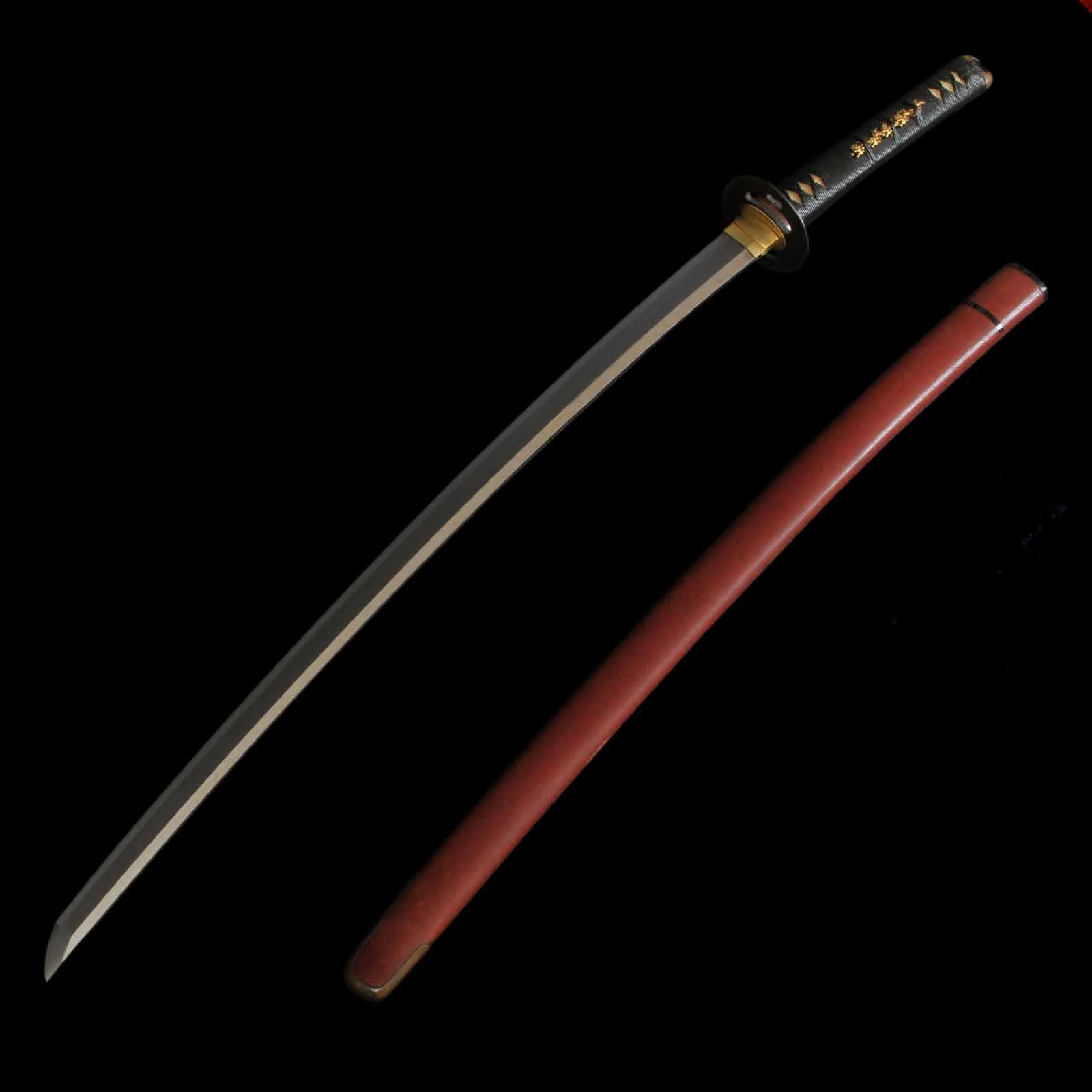
An unsigned (mumei), original-length (ubu) ko-wakizashi by a smith active in Mino province around the Eiroku era (1558–1570) of the late Muromachi period, and judged by the NBTHK (Nihon Bijutsu Tōken Hozon Kyōkai) to be the work of Kaneharu. Freshly polished and nearly flawless, it is a broad, confident blade housed complete in an elaborate period mounting (jidai koshirae) fitted with a matching kozuka.
Workmanship and condition
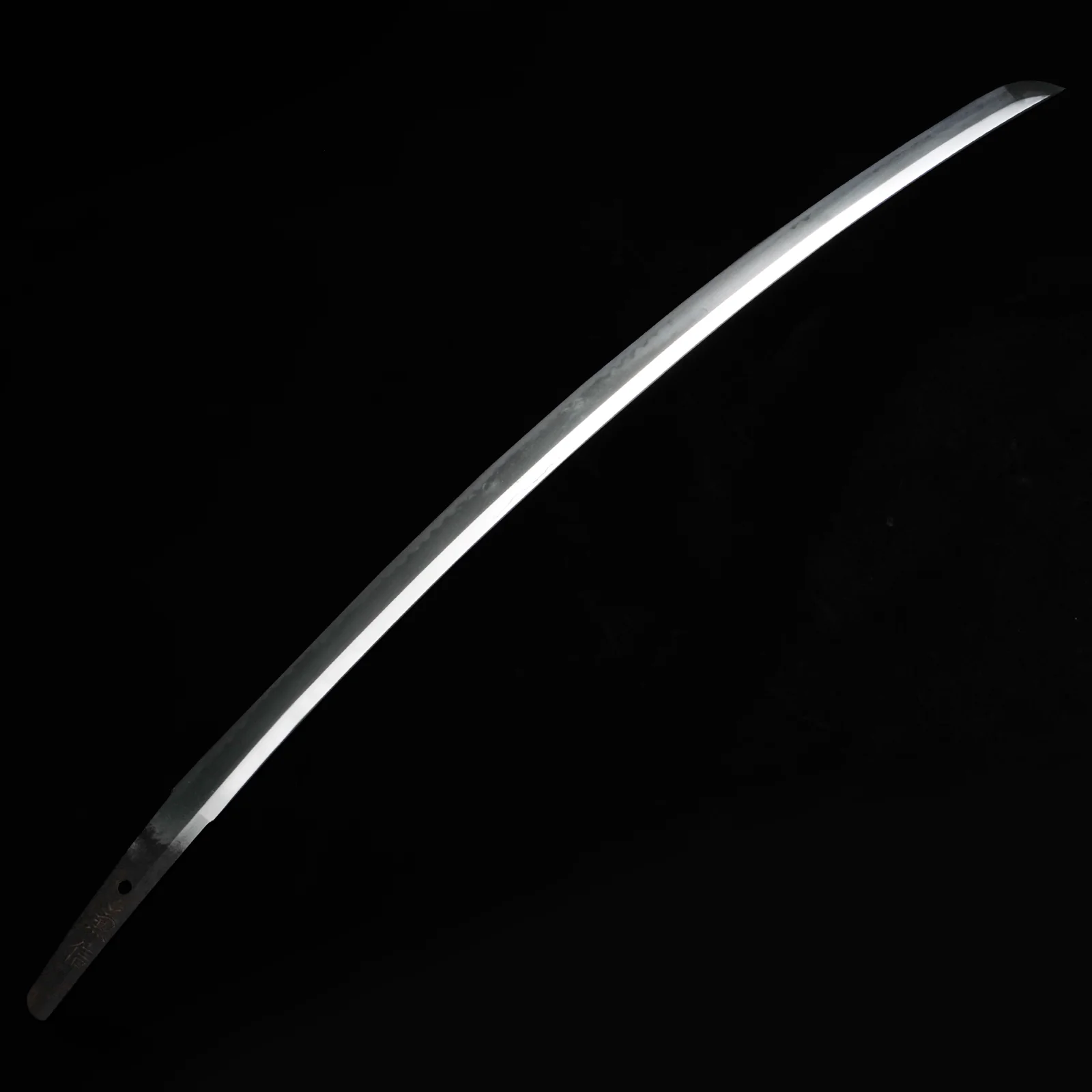
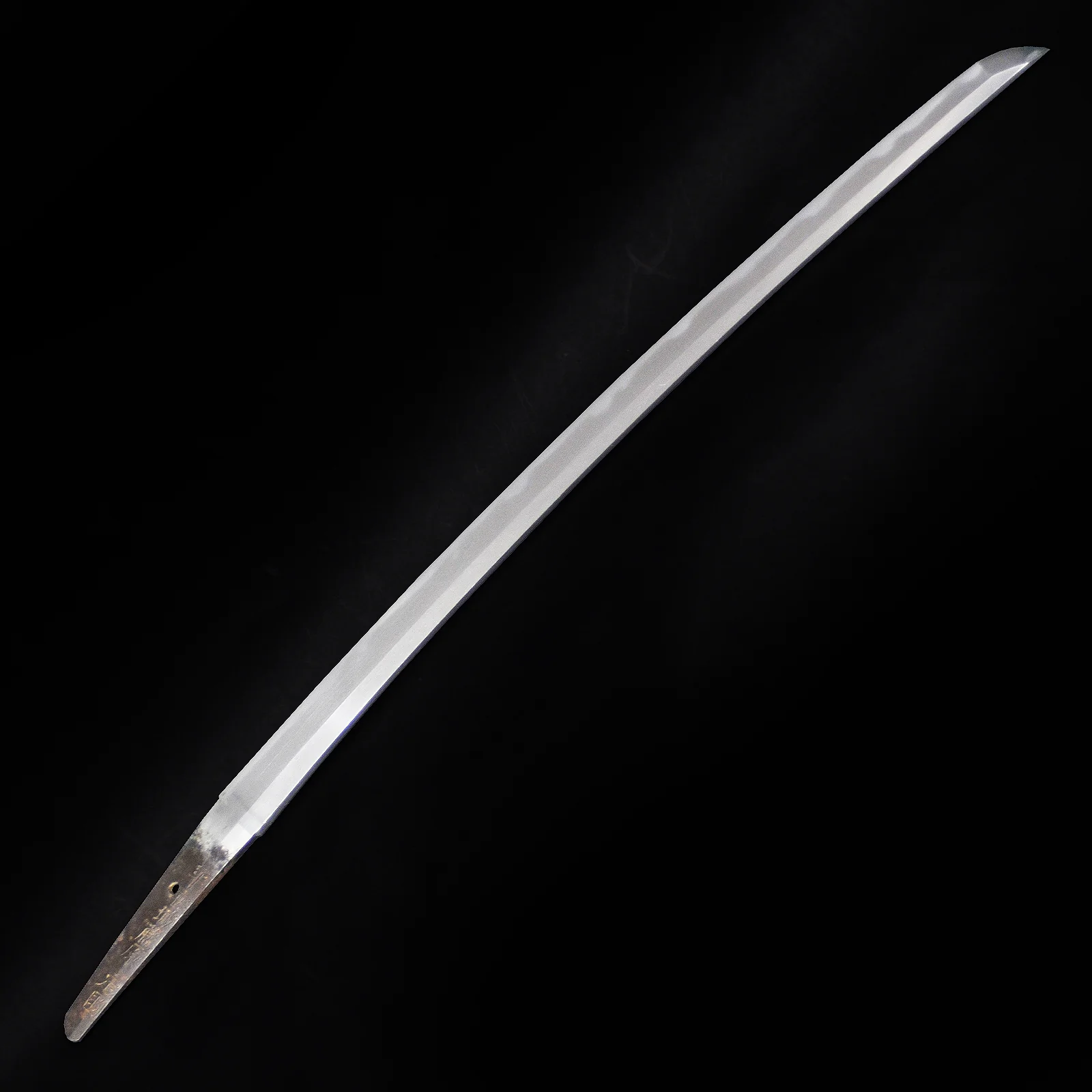
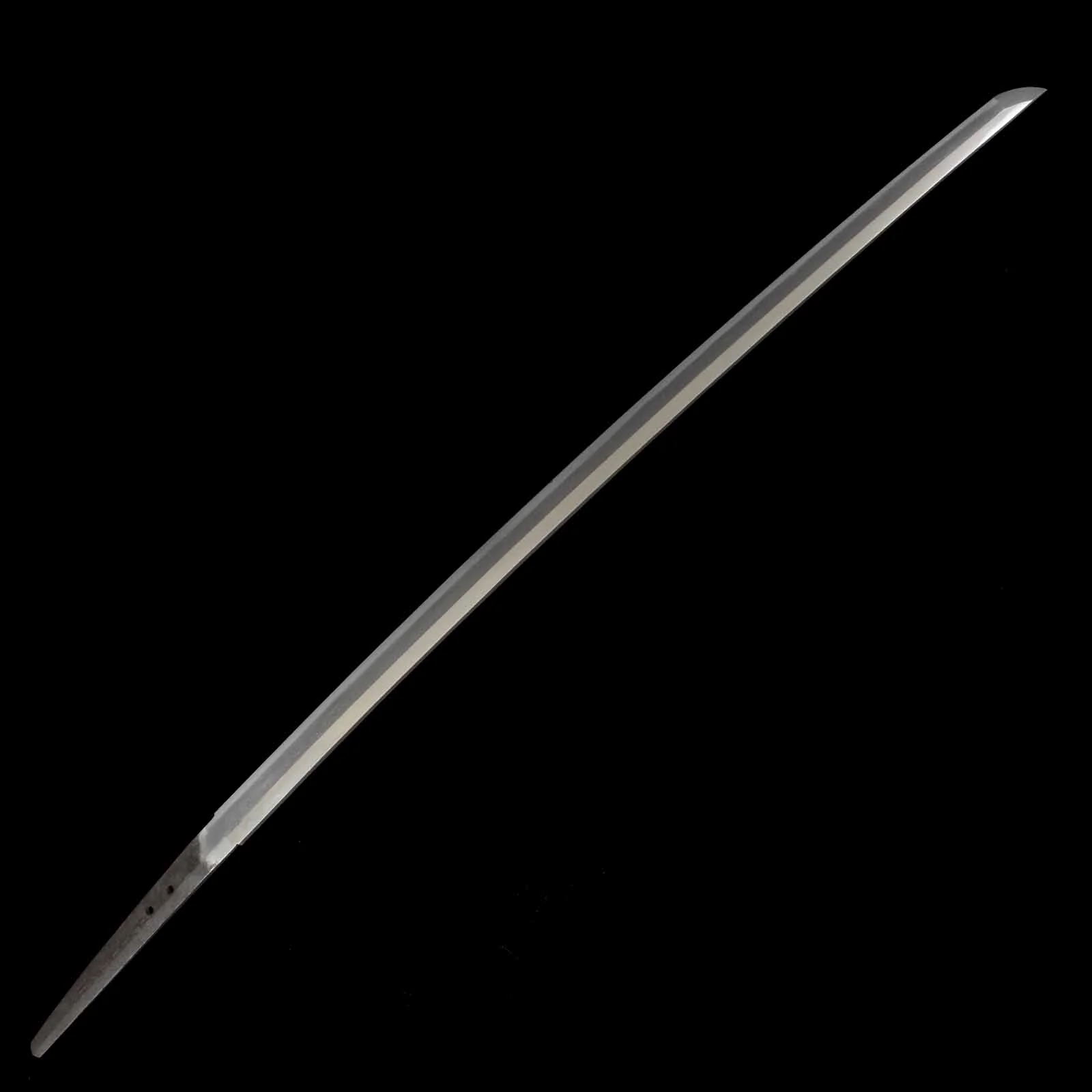
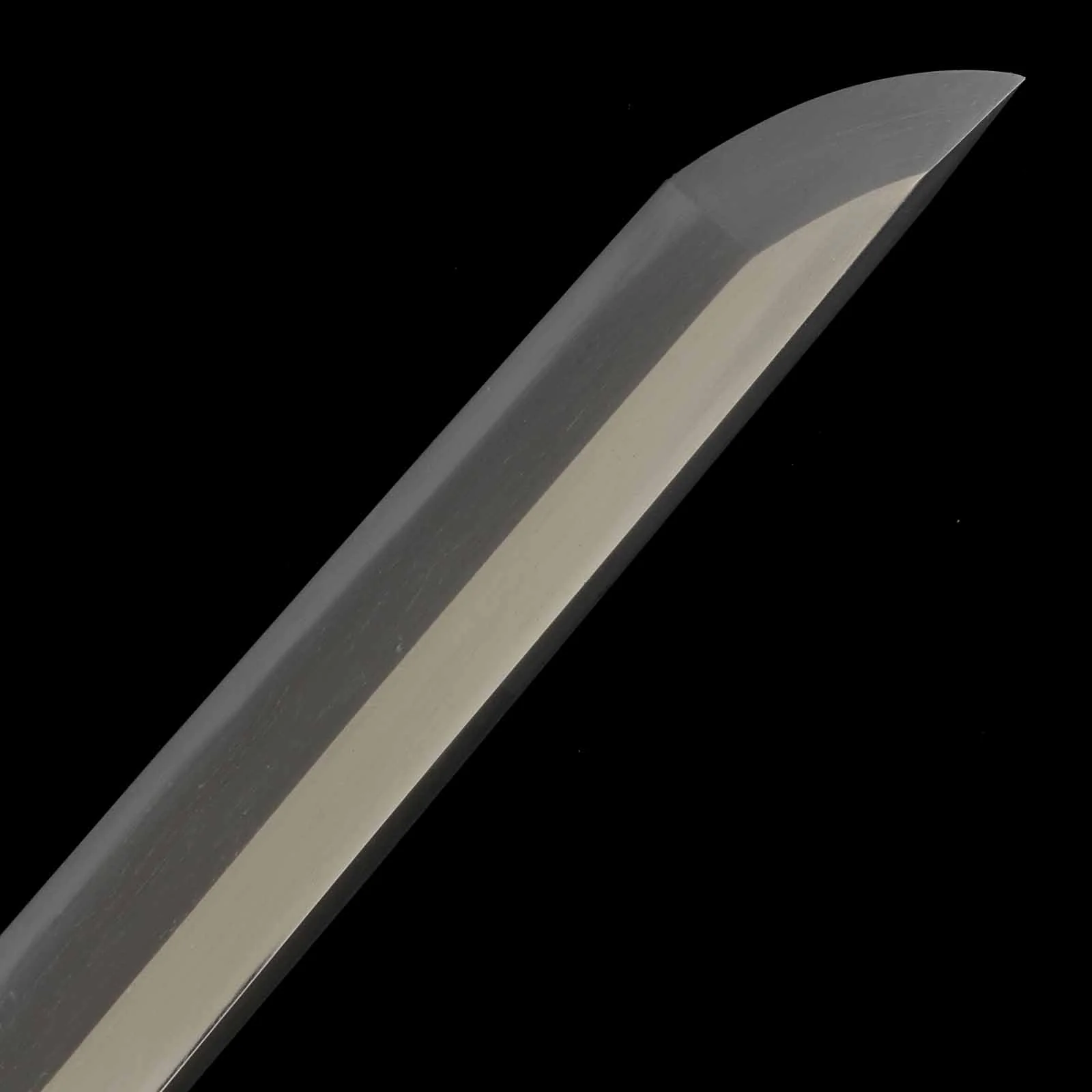
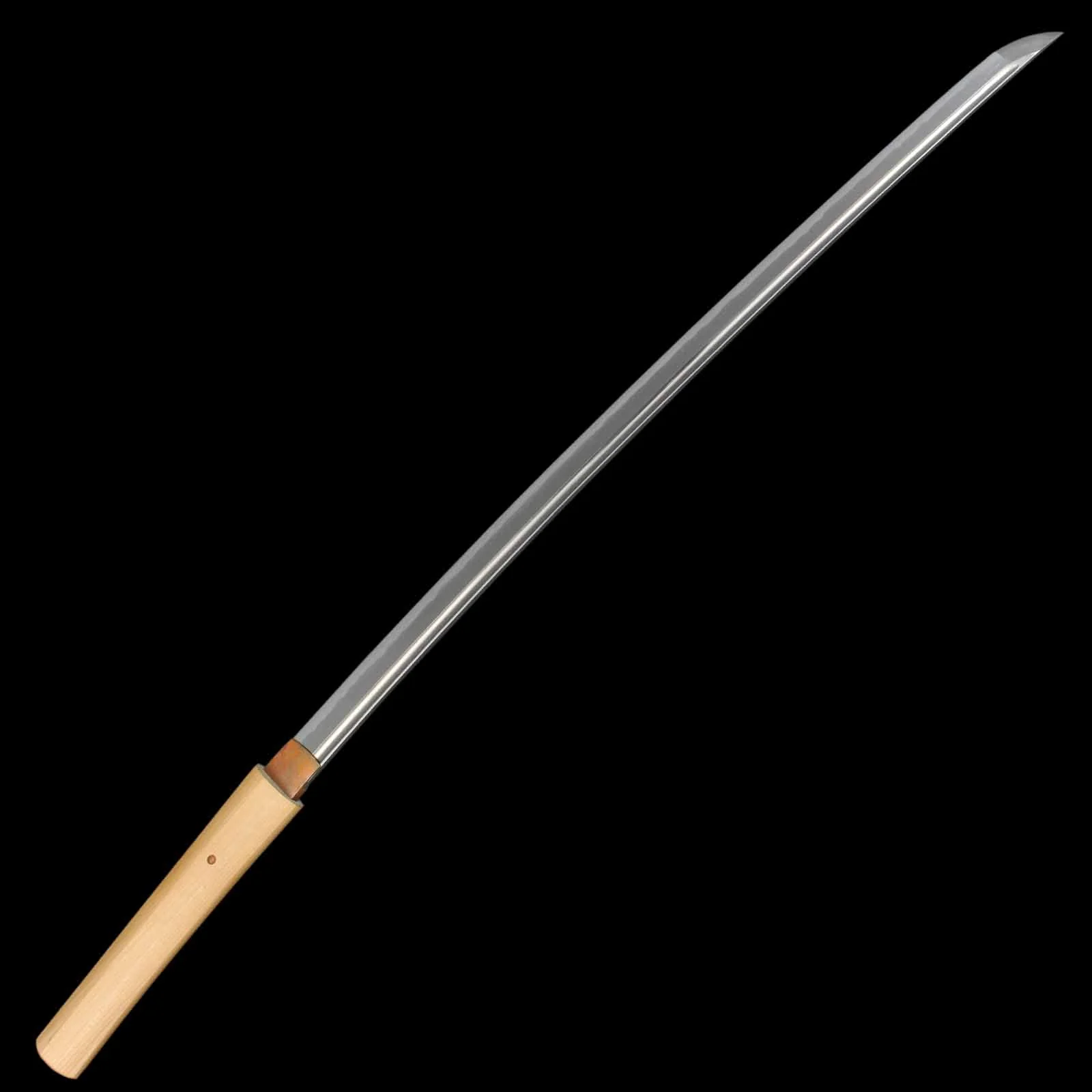
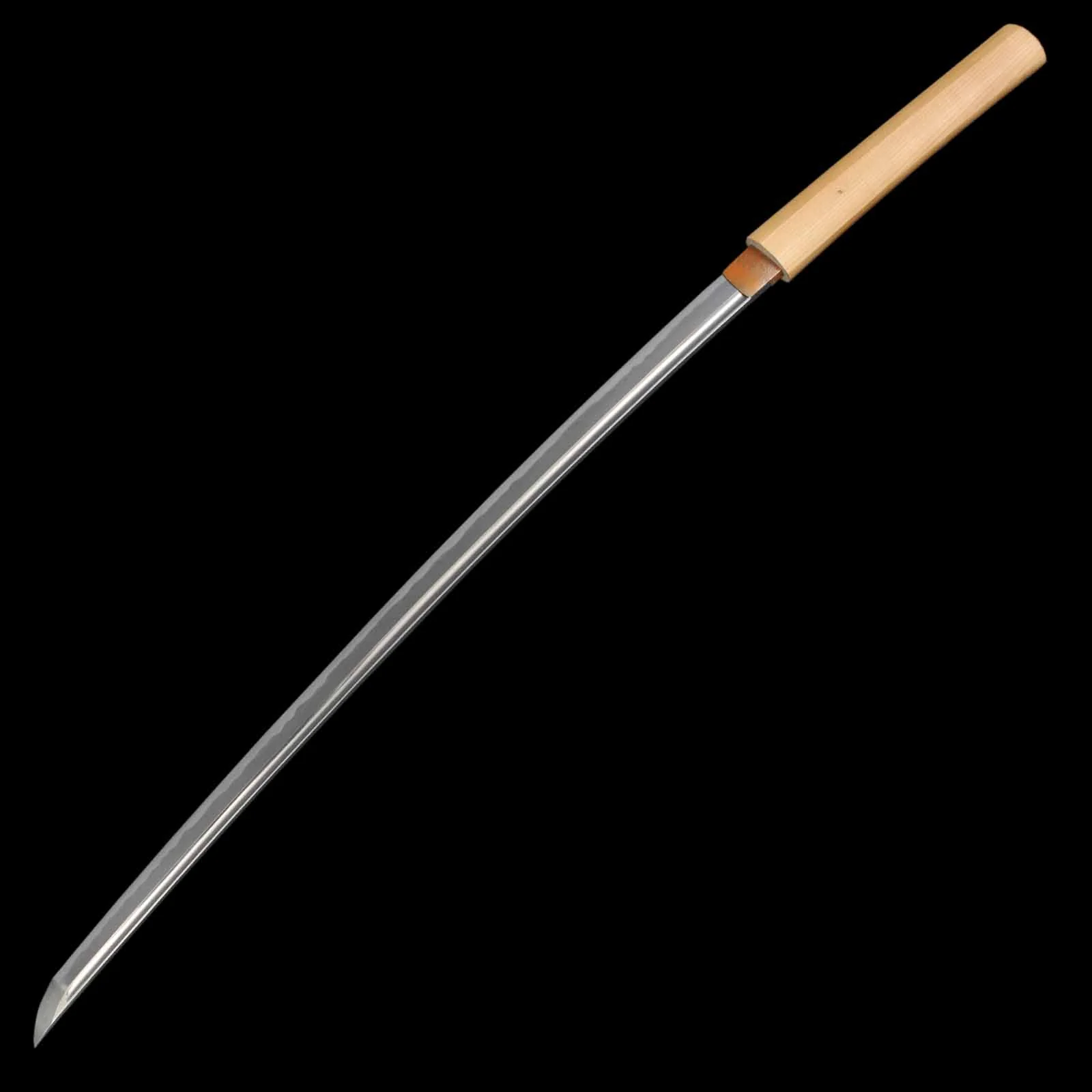
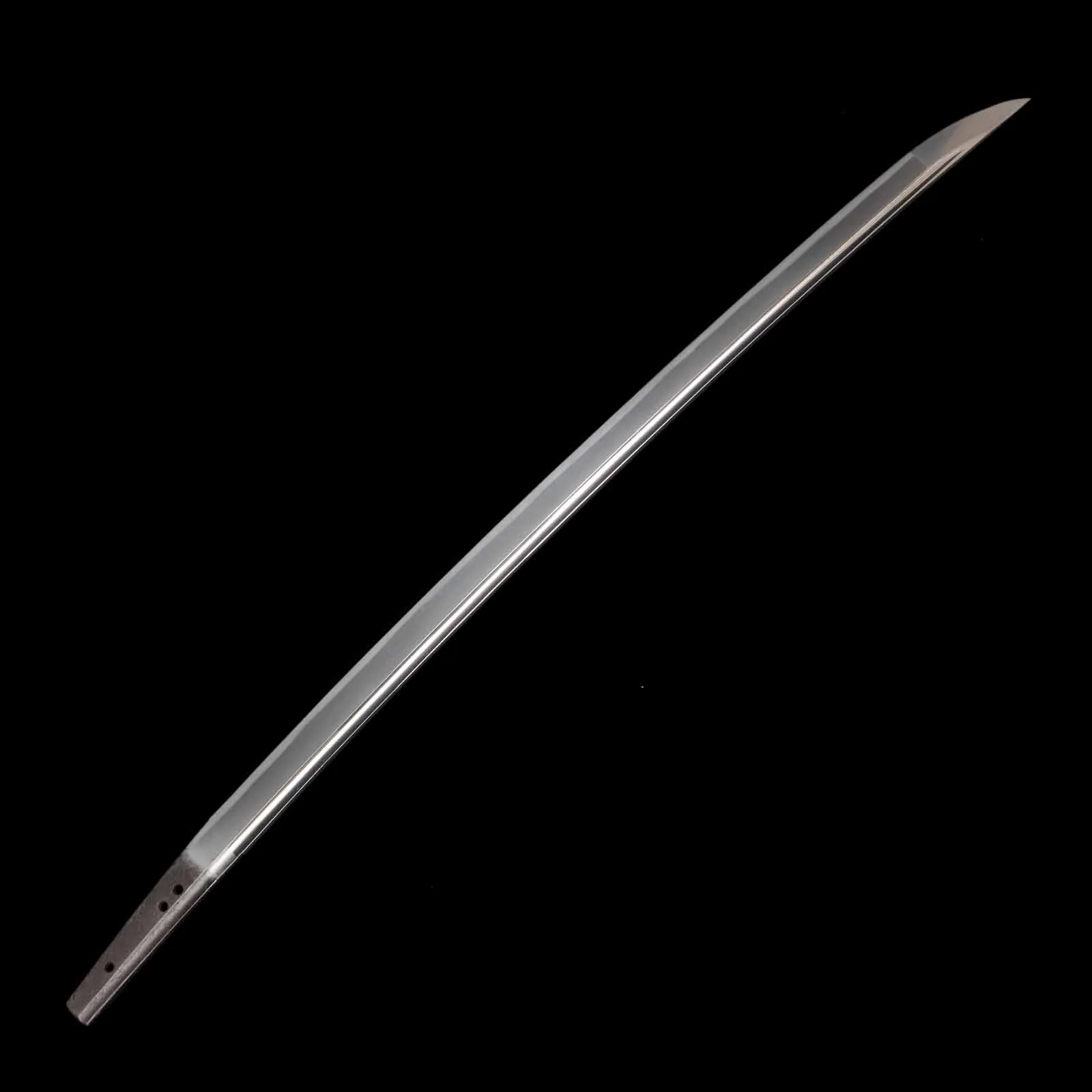
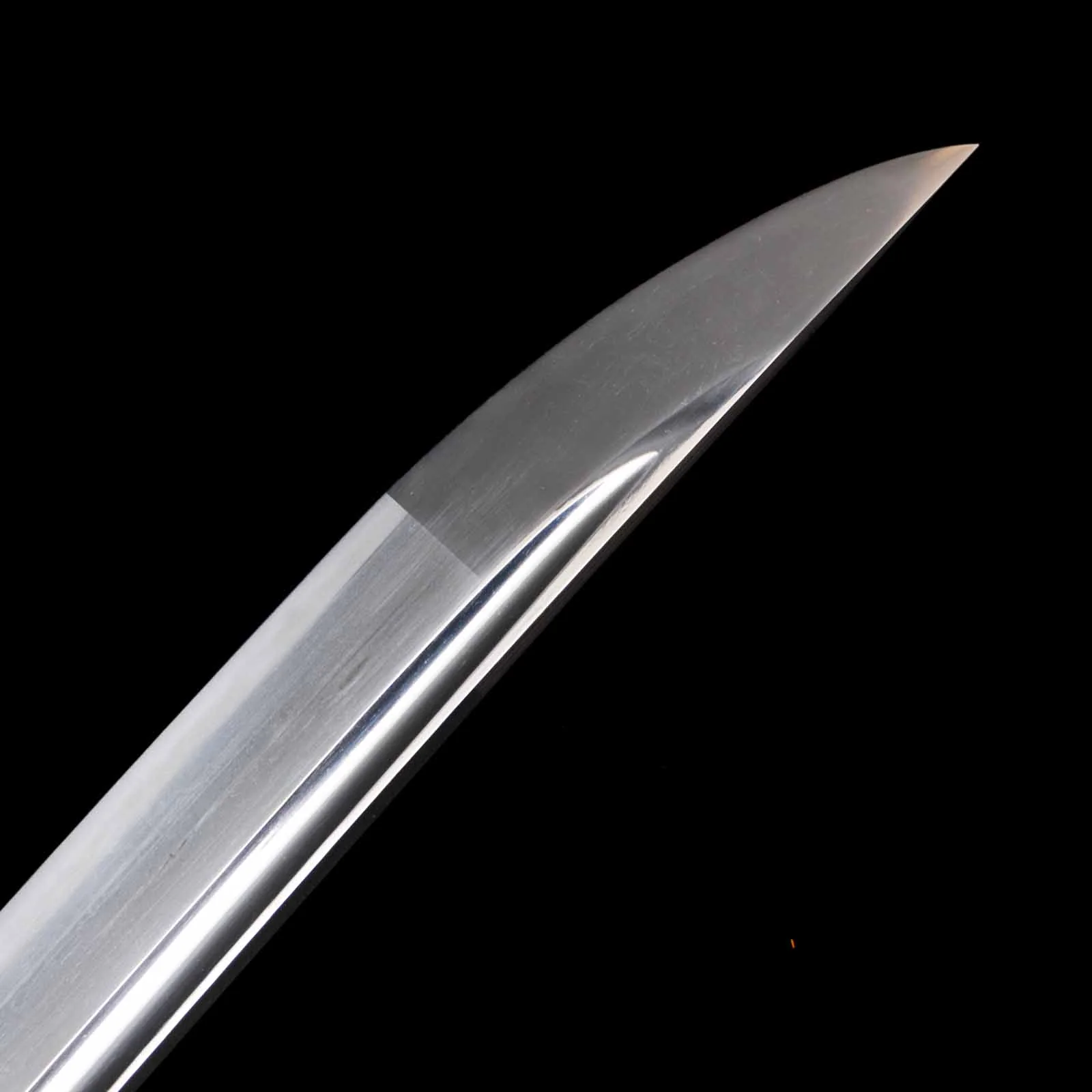
In fresh polish and essentially flawless, the blade shows a ground and edge in exceptionally sound (kenzen) condition. The jigane is a ko-itame (fine wood-grain), very well worked and beautifully clear. The hamon is a gunome with generous activity inside the edge, where yō (detached leaf-like clusters) and ashi ("feet") appear throughout — the kind of lively, workmanlike temper for which Mino swords are prized.
Form
This is a broad, powerful hira-zukuri (flat-sided, ridgeless) ko-wakizashi in generous ō-hira-zukuri proportions, with a wide body that gives it real presence in the hand. At a nagasa of 33.4 cm (about 1 shaku 1 sun) with only 0.4 cm of sori, it has the substantial, well-balanced silhouette typical of the finest Sengoku-era short blades.
On the unsigned tang and the Kaneharu attribution
The tang (nakago) is ubu — original and never shortened — and unsigned (mumei), with a single peg-hole (mekugi-ana). In February 2026 the NBTHK examined the blade and, on the strength of its shape, steel, and temper, certified it as the work of Kaneharu, a swordsmith of the Mino (Seki) tradition — one of the Five Traditions (Gokaden) and the great center of practical sword production during Japan's warring-states age.
The koshirae
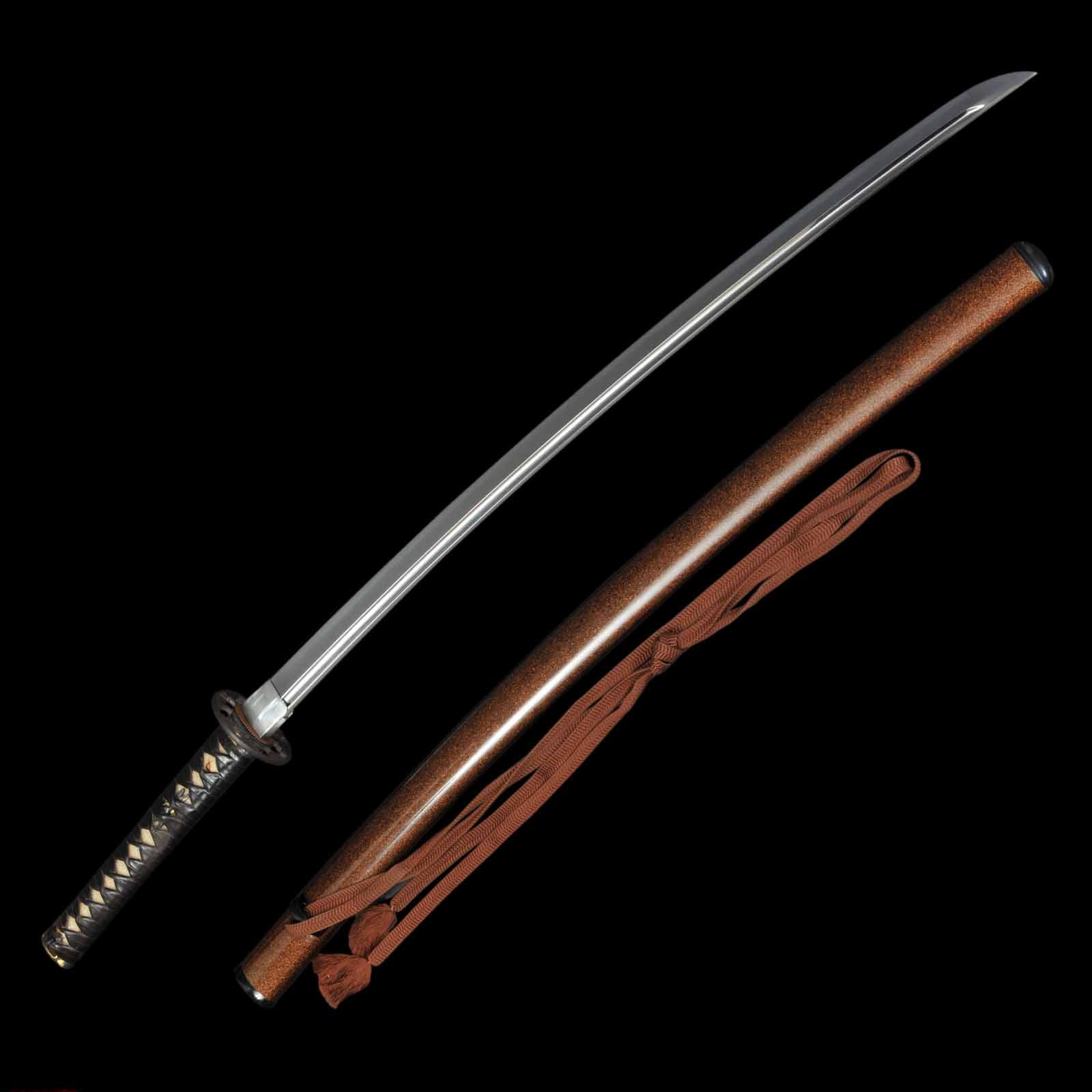
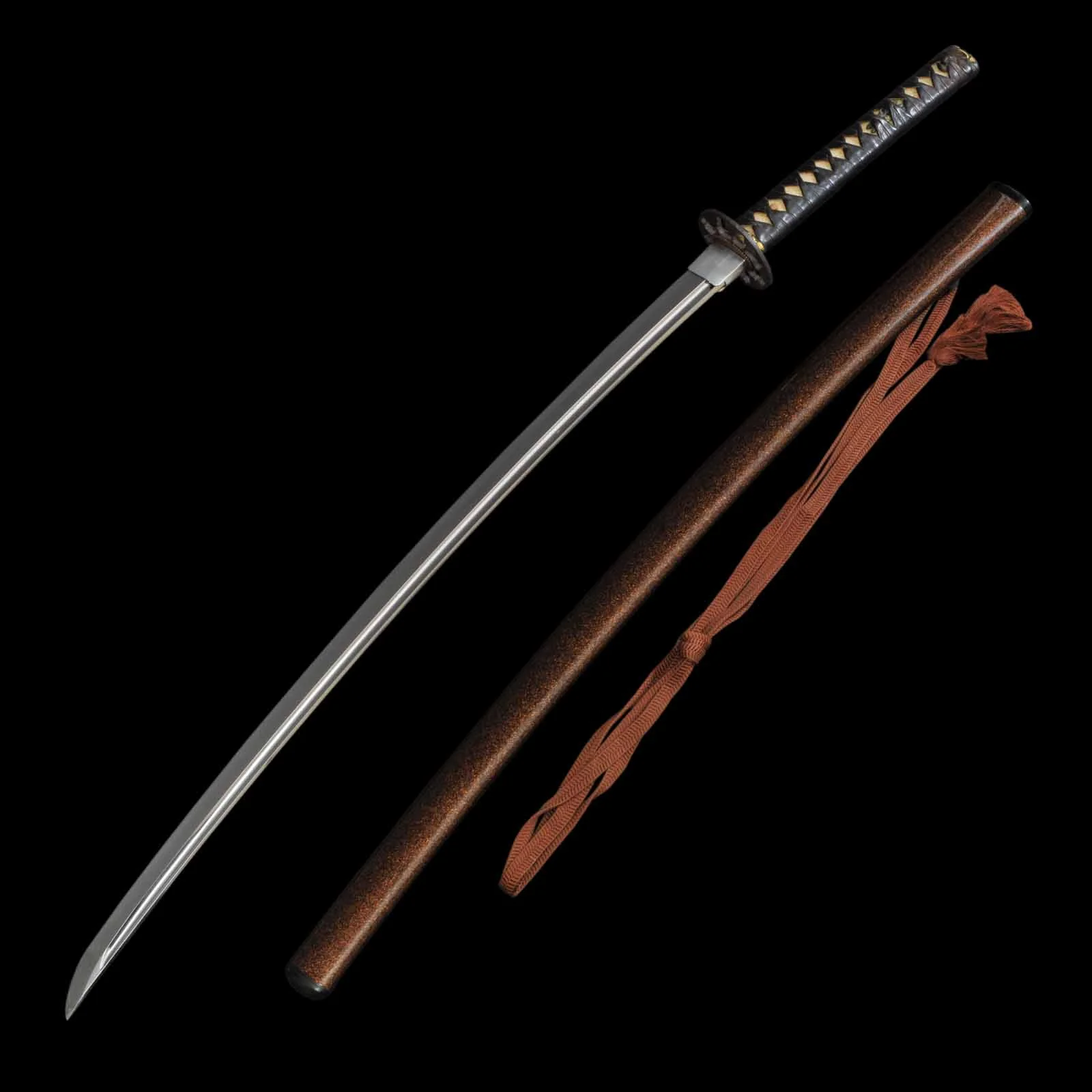
The ko-wakizashi comes in a handsome antique koshirae with a black-lacquer saya and an iron tsuba. The hilt is wrapped in black cord over same (ray skin) with figural menuki and a fuchi-kashira worked in nanako ground with gold accents; the mounting also carries a fitted kozuka (small utility-knife) decorated with a crane among grasses in gold and silver. The hilt wrap (tsuka-ito) shows a few minor areas of old restoration, but the ensemble is an unusually elaborate and characterful mounting in the taste of the samurai age.
A healthy, freshly polished Mino ko-wakizashi in ubu, unsigned condition, its well-forged ko-itame steel and lively gunome edge papered by the NBTHK to Kaneharu — and dressed in a rich period koshirae complete with a matching kozuka. An engaging, well-documented kotō ready to appreciate exactly as it is.
Specifications
- Type: Wakizashi (ko-wakizashi), broad hira-zukuri (ō-hira-zukuri)
- Signature (mei): unsigned (mumei), ubu (un-shortened) tang; attributed to Kaneharu (Mino)
- Certification: NBTHK Hozon Tōken (No. 3038422), issued February 16, 2026
- Period: Late Muromachi period, ca. Eiroku era (1558–1570) (attributed)
- School / tradition: Mino (Seki)
- Jigane: ko-itame, very well forged and clear
- Hamon: gunome, with yō and ashi within the edge
- Blade length (nagasa): 33.4 cm / 13.15 in (about 1 shaku 1 sun)
- Curvature (sori): 0.4 cm
- Width at base (motohaba): 31.3 mm
- Thickness at base (motokasane): 5.9 mm
- Peg-holes (mekugi-ana): 1
- Weight: 290 g (blade only) / 470 g (without scabbard)
- Condition: freshly polished, essentially flawless; ji and ha very sound; hilt wrap (tsuka-ito) with some minor old restoration
- Mounting: antique koshirae — black-lacquer saya, iron tsuba, black-wrapped tsuka with menuki and nanako-ground fuchi-kashira with gold accents, and a fitted kozuka (crane-and-grasses design in gold and silver)
- Torokushō (Japanese registration) No.: Tokyo 281651

Details & Craftsmanship
Every detail has been carefully considered to bring you the perfect product.

Details & Craftsmanship
Every detail has been carefully considered to bring you the perfect product.

Details & Craftsmanship
Every detail has been carefully considered to bring you the perfect product.

Details & Craftsmanship
Every detail has been carefully considered to bring you the perfect product.

Details & Craftsmanship
Every detail has been carefully considered to bring you the perfect product.

Details & Craftsmanship
Every detail has been carefully considered to bring you the perfect product.

Details & Craftsmanship
Every detail has been carefully considered to bring you the perfect product.

Details & Craftsmanship
Every detail has been carefully considered to bring you the perfect product.

Details & Craftsmanship
Every detail has been carefully considered to bring you the perfect product.

Details & Craftsmanship
Every detail has been carefully considered to bring you the perfect product.

Details & Craftsmanship
Every detail has been carefully considered to bring you the perfect product.
Description
Antique Japanese Ko-wakizashi, unsigned (mumei) — attributed to Kaneharu of Mino — late Muromachi period (Eiroku era) — NBTHK Hozon Tōken, in period koshirae with kozuka
Ubu, wide-bodied hira-zukuri ko-wakizashi · well-forged ko-itame steel with a lively gunome edge · in an elaborate period mounting with a matching kozuka · NBTHK Hozon papered to "Kaneharu"
An unsigned (mumei), original-length (ubu) ko-wakizashi by a smith active in Mino province around the Eiroku era (1558–1570) of the late Muromachi period, and judged by the NBTHK (Nihon Bijutsu Tōken Hozon Kyōkai) to be the work of Kaneharu. Freshly polished and nearly flawless, it is a broad, confident blade housed complete in an elaborate period mounting (jidai koshirae) fitted with a matching kozuka.
Workmanship and condition
In fresh polish and essentially flawless, the blade shows a ground and edge in exceptionally sound (kenzen) condition. The jigane is a ko-itame (fine wood-grain), very well worked and beautifully clear. The hamon is a gunome with generous activity inside the edge, where yō (detached leaf-like clusters) and ashi ("feet") appear throughout — the kind of lively, workmanlike temper for which Mino swords are prized.
Form
This is a broad, powerful hira-zukuri (flat-sided, ridgeless) ko-wakizashi in generous ō-hira-zukuri proportions, with a wide body that gives it real presence in the hand. At a nagasa of 33.4 cm (about 1 shaku 1 sun) with only 0.4 cm of sori, it has the substantial, well-balanced silhouette typical of the finest Sengoku-era short blades.
On the unsigned tang and the Kaneharu attribution
The tang (nakago) is ubu — original and never shortened — and unsigned (mumei), with a single peg-hole (mekugi-ana). In February 2026 the NBTHK examined the blade and, on the strength of its shape, steel, and temper, certified it as the work of Kaneharu, a swordsmith of the Mino (Seki) tradition — one of the Five Traditions (Gokaden) and the great center of practical sword production during Japan's warring-states age.
The koshirae
The ko-wakizashi comes in a handsome antique koshirae with a black-lacquer saya and an iron tsuba. The hilt is wrapped in black cord over same (ray skin) with figural menuki and a fuchi-kashira worked in nanako ground with gold accents; the mounting also carries a fitted kozuka (small utility-knife) decorated with a crane among grasses in gold and silver. The hilt wrap (tsuka-ito) shows a few minor areas of old restoration, but the ensemble is an unusually elaborate and characterful mounting in the taste of the samurai age.
A healthy, freshly polished Mino ko-wakizashi in ubu, unsigned condition, its well-forged ko-itame steel and lively gunome edge papered by the NBTHK to Kaneharu — and dressed in a rich period koshirae complete with a matching kozuka. An engaging, well-documented kotō ready to appreciate exactly as it is.
Specifications
- Type: Wakizashi (ko-wakizashi), broad hira-zukuri (ō-hira-zukuri)
- Signature (mei): unsigned (mumei), ubu (un-shortened) tang; attributed to Kaneharu (Mino)
- Certification: NBTHK Hozon Tōken (No. 3038422), issued February 16, 2026
- Period: Late Muromachi period, ca. Eiroku era (1558–1570) (attributed)
- School / tradition: Mino (Seki)
- Jigane: ko-itame, very well forged and clear
- Hamon: gunome, with yō and ashi within the edge
- Blade length (nagasa): 33.4 cm / 13.15 in (about 1 shaku 1 sun)
- Curvature (sori): 0.4 cm
- Width at base (motohaba): 31.3 mm
- Thickness at base (motokasane): 5.9 mm
- Peg-holes (mekugi-ana): 1
- Weight: 290 g (blade only) / 470 g (without scabbard)
- Condition: freshly polished, essentially flawless; ji and ha very sound; hilt wrap (tsuka-ito) with some minor old restoration
- Mounting: antique koshirae — black-lacquer saya, iron tsuba, black-wrapped tsuka with menuki and nanako-ground fuchi-kashira with gold accents, and a fitted kozuka (crane-and-grasses design in gold and silver)
- Torokushō (Japanese registration) No.: Tokyo 281651