
Original: $2,781.45
-65%$2,781.45
$973.51The Story
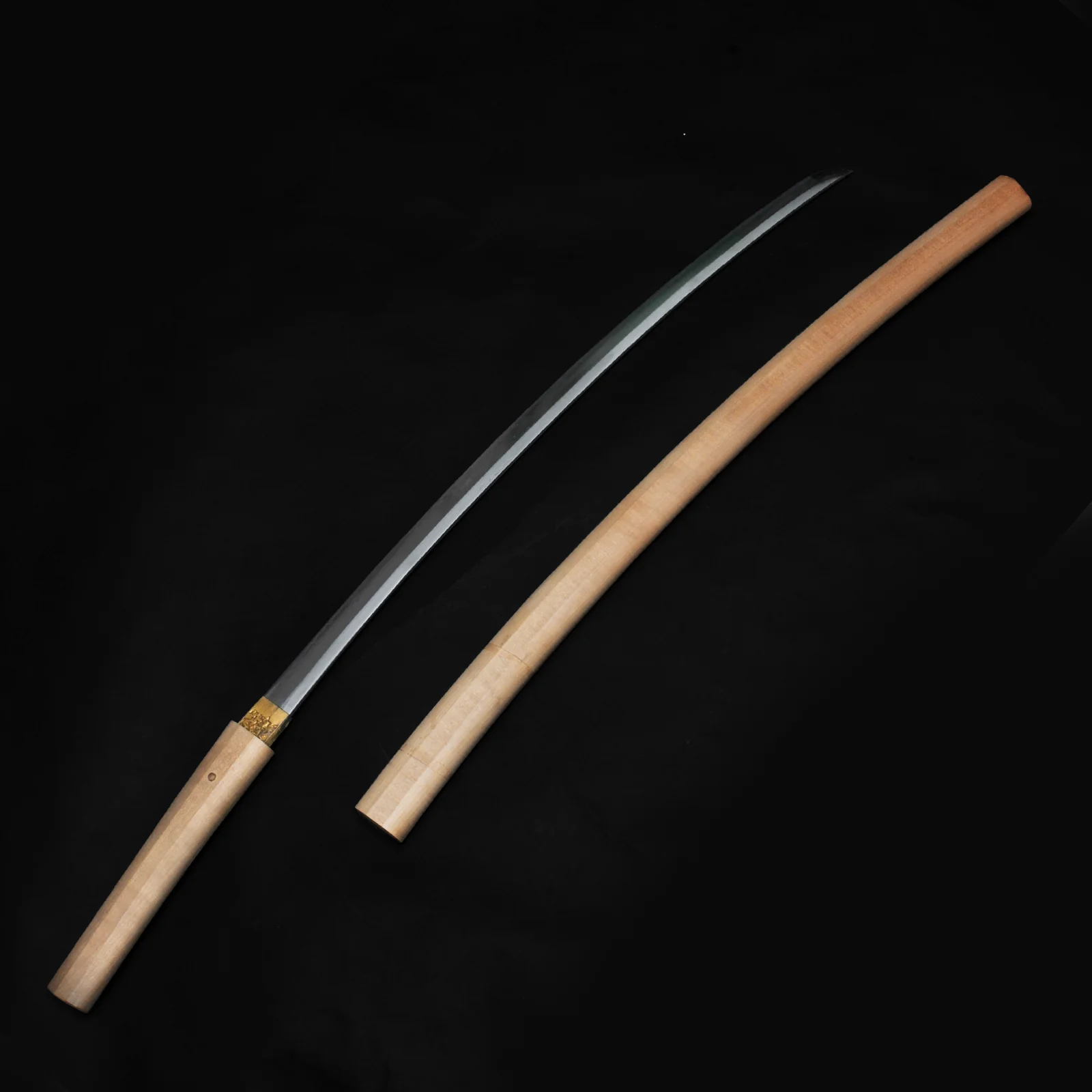
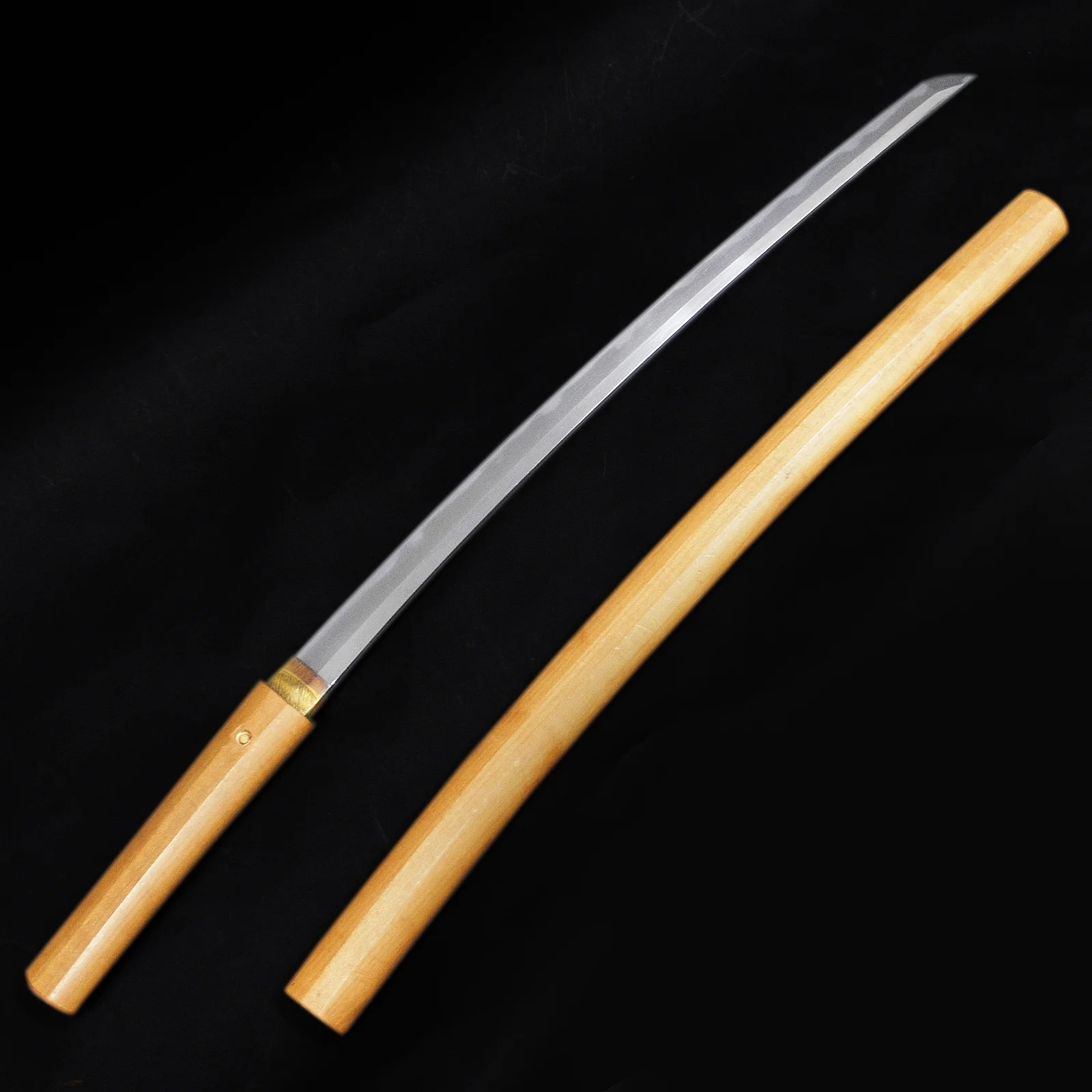
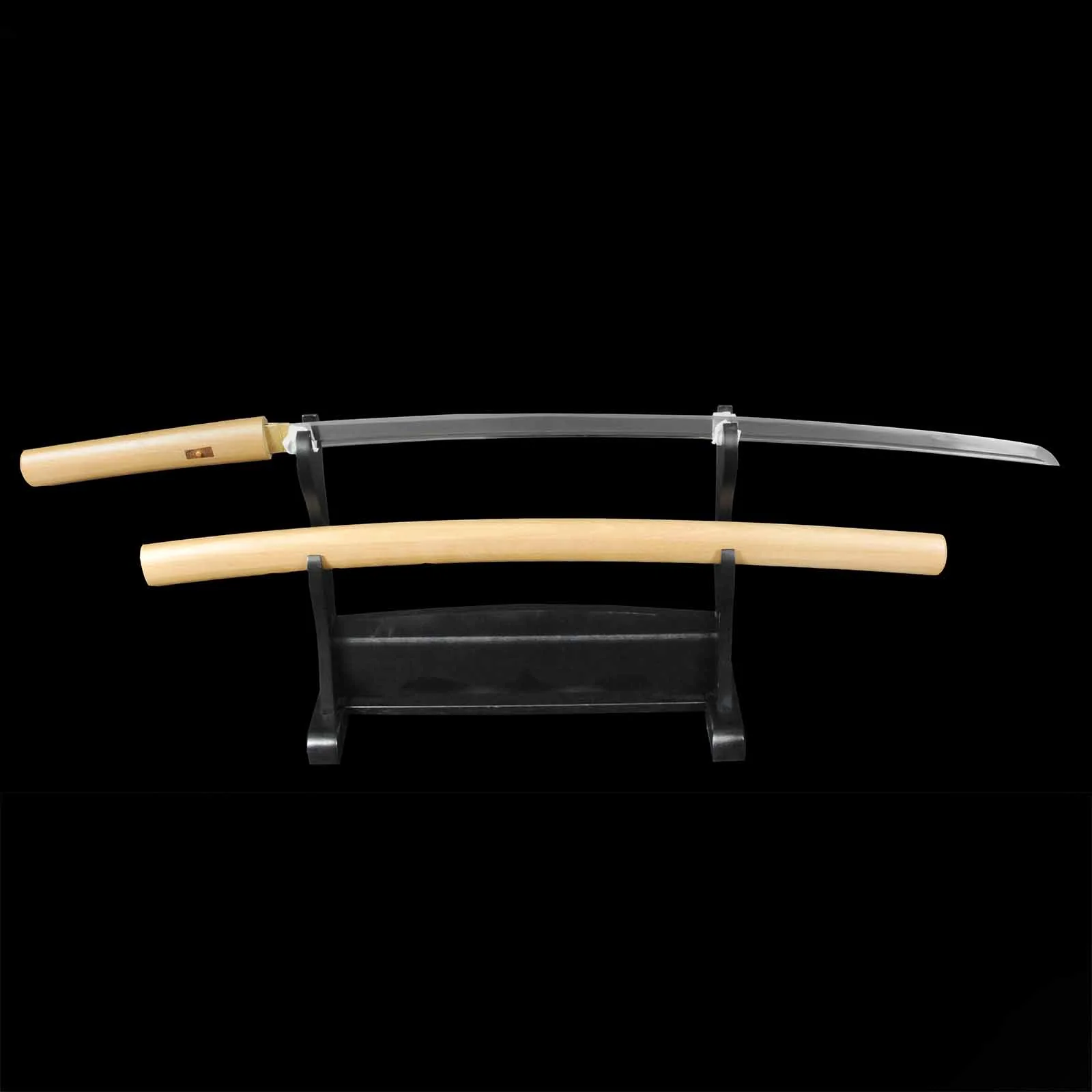
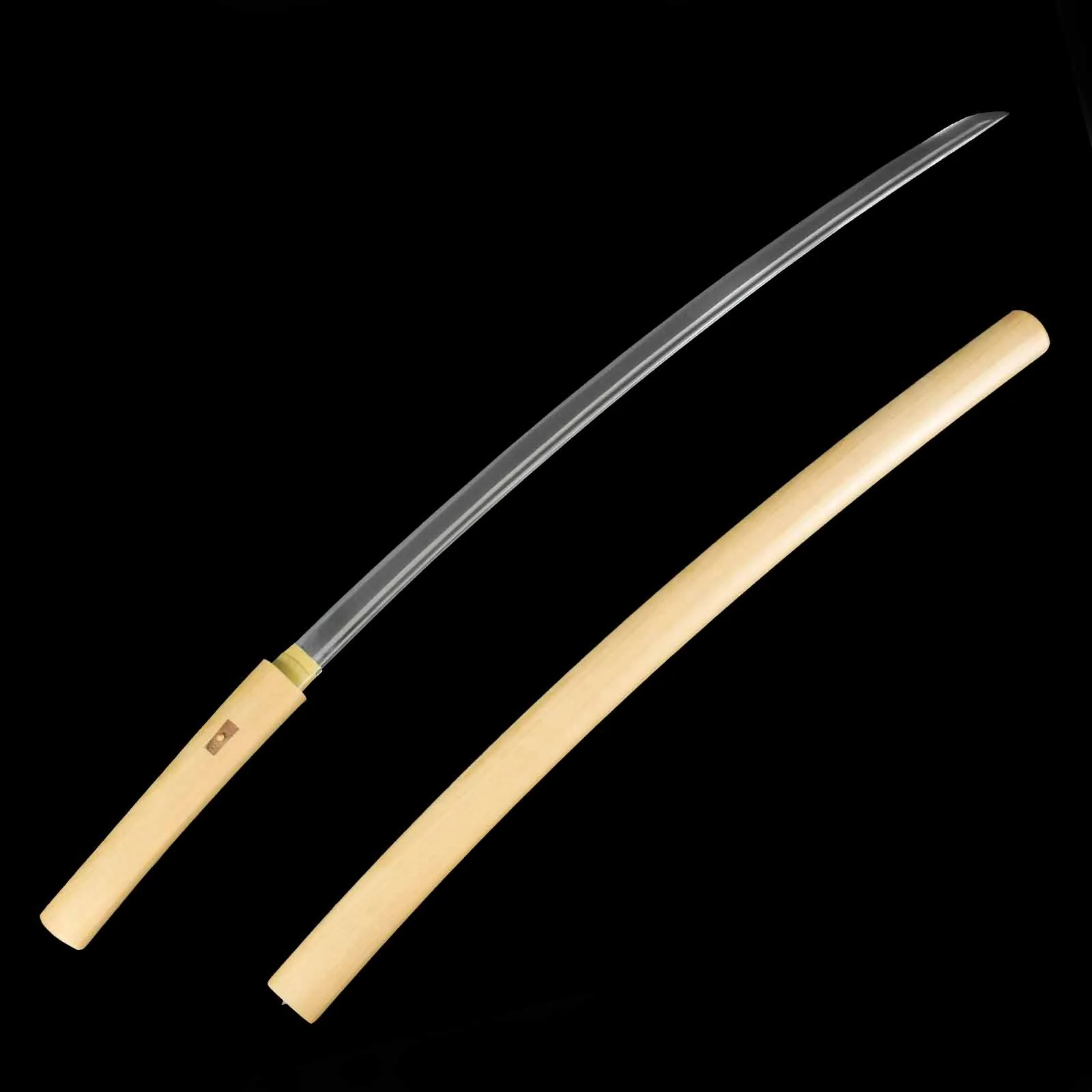
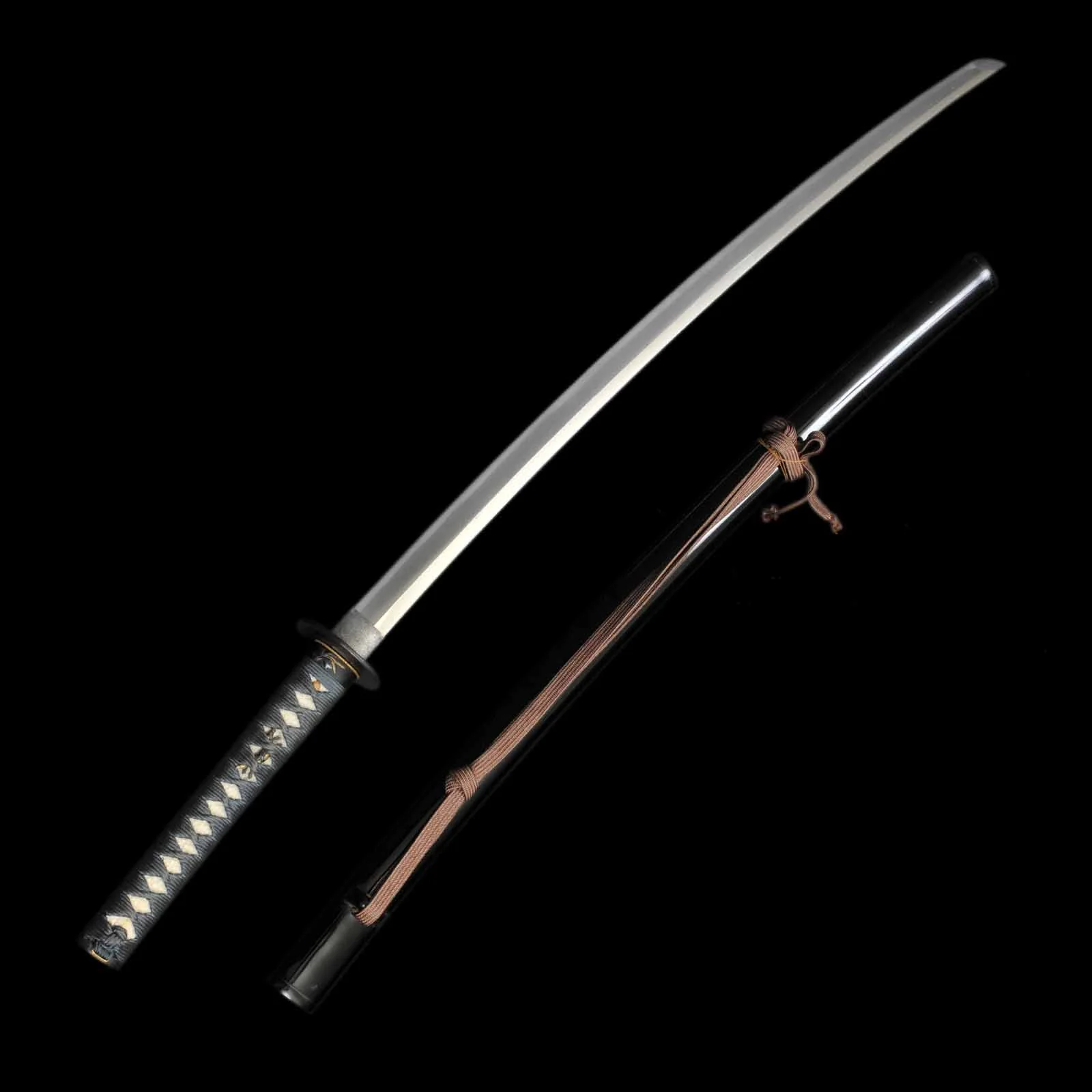
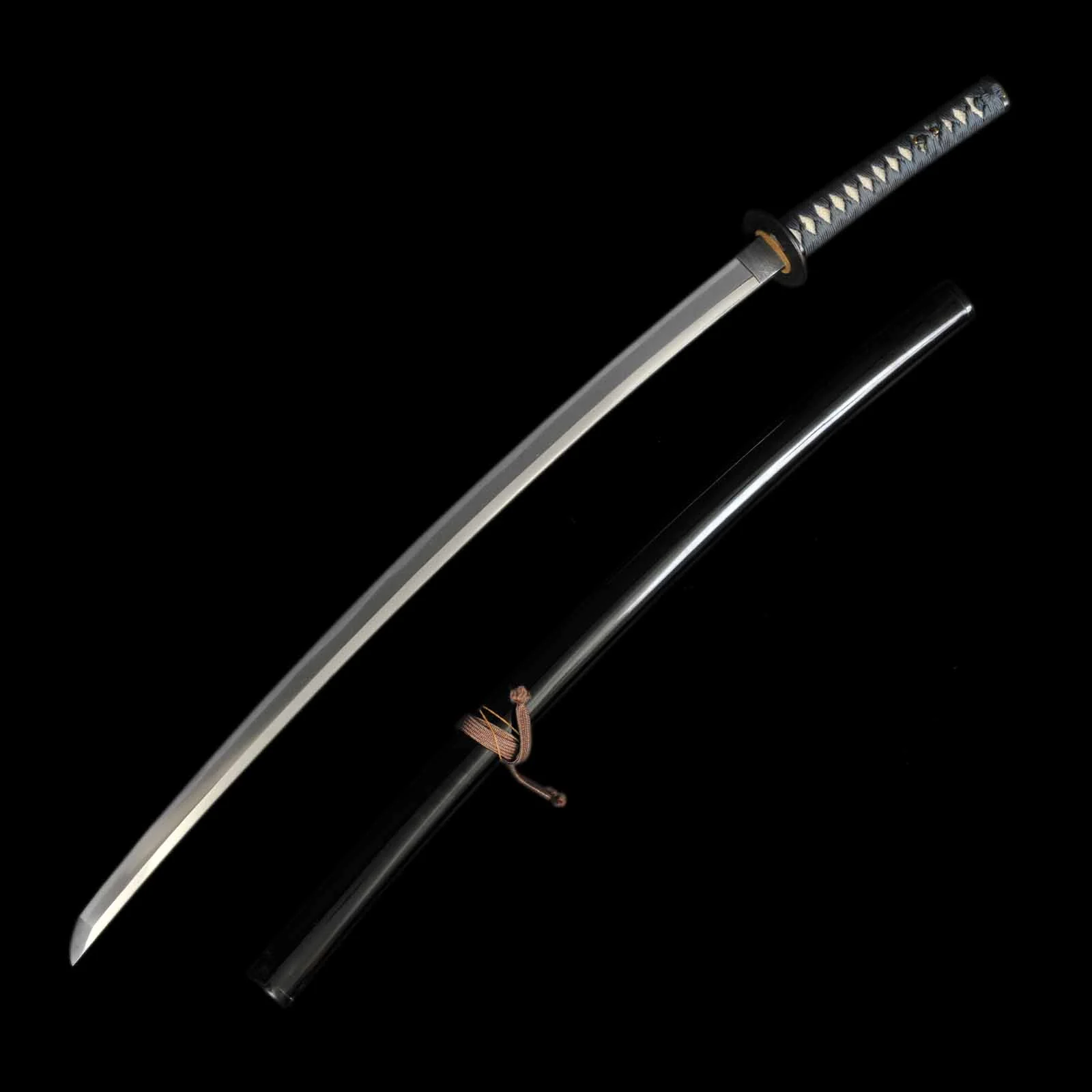
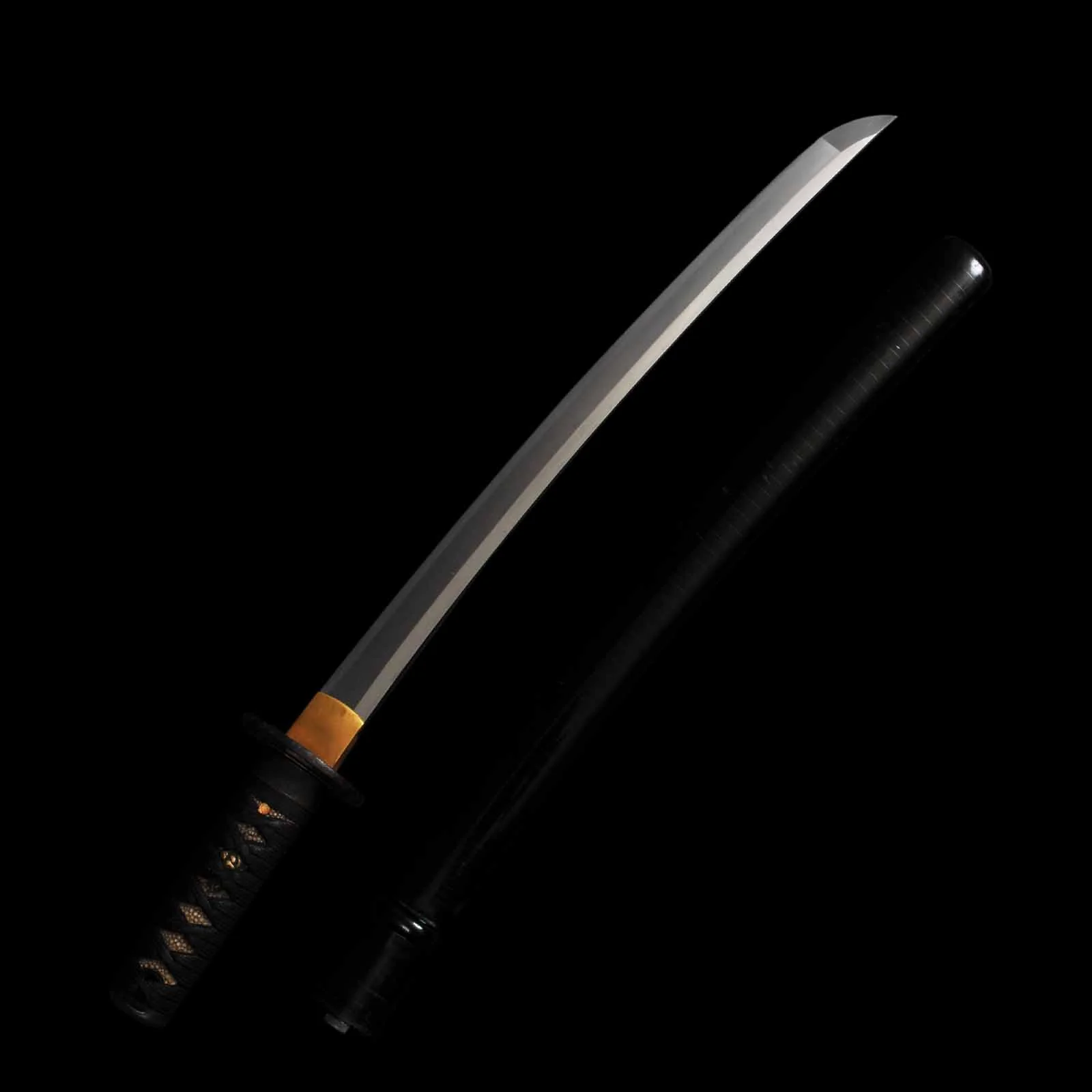
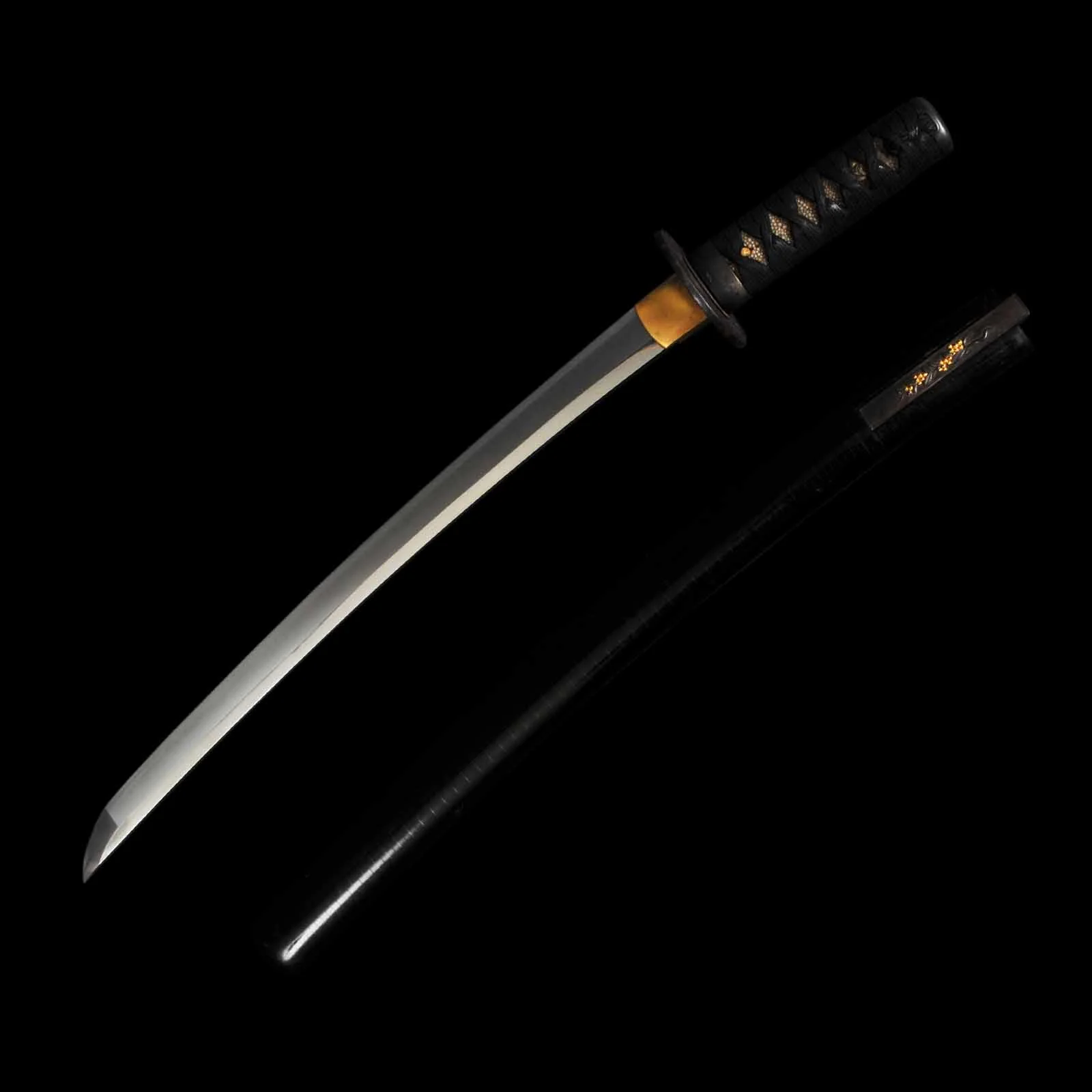
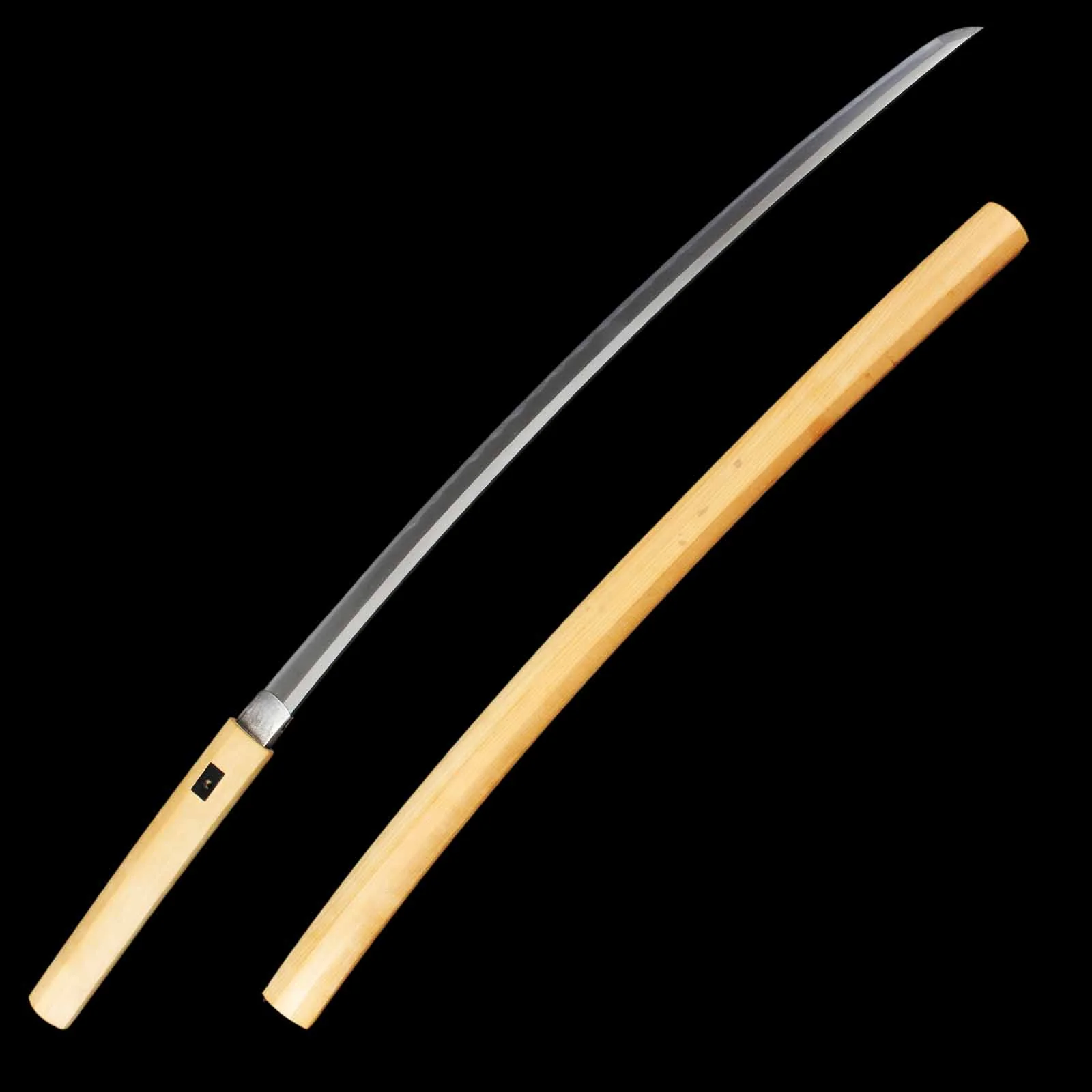
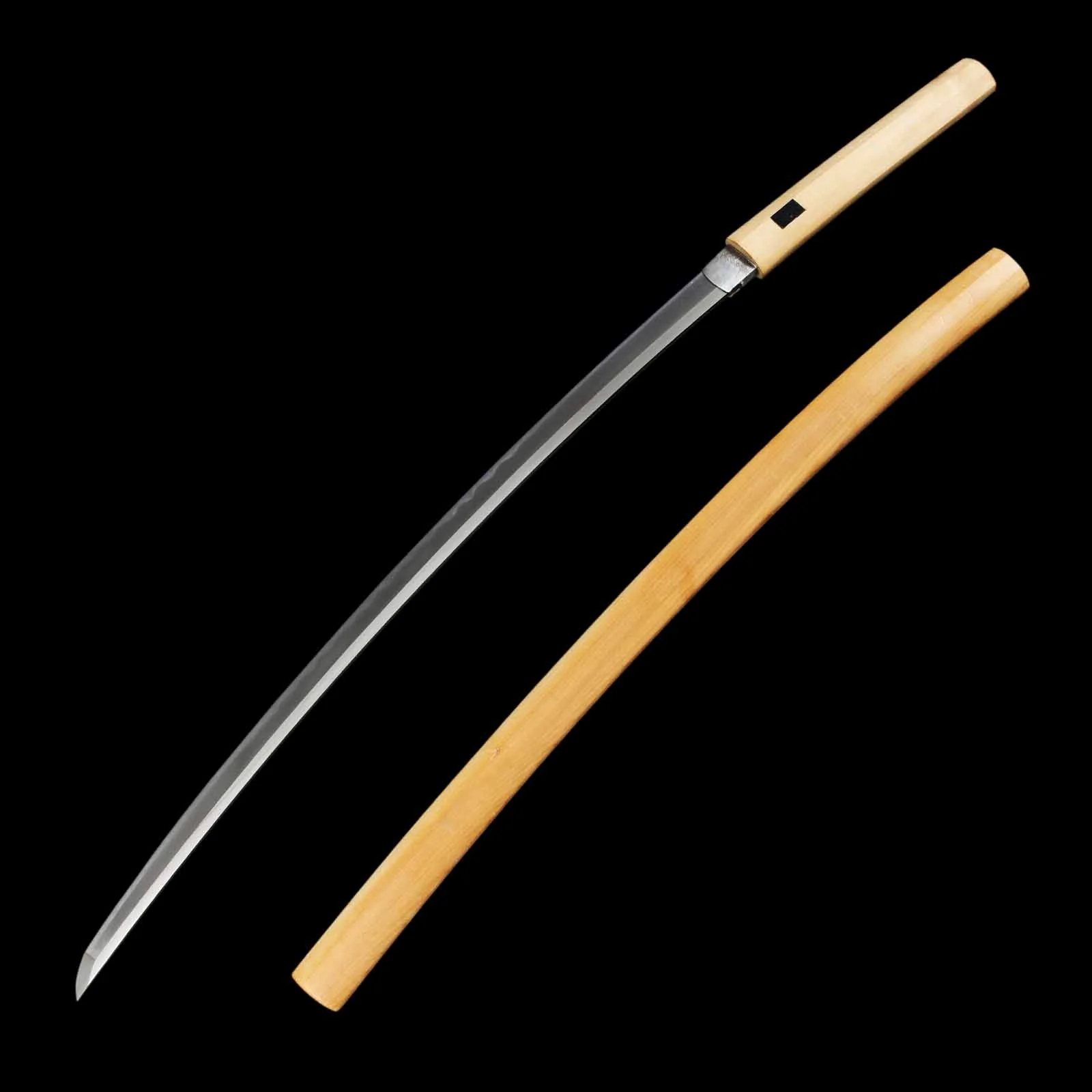
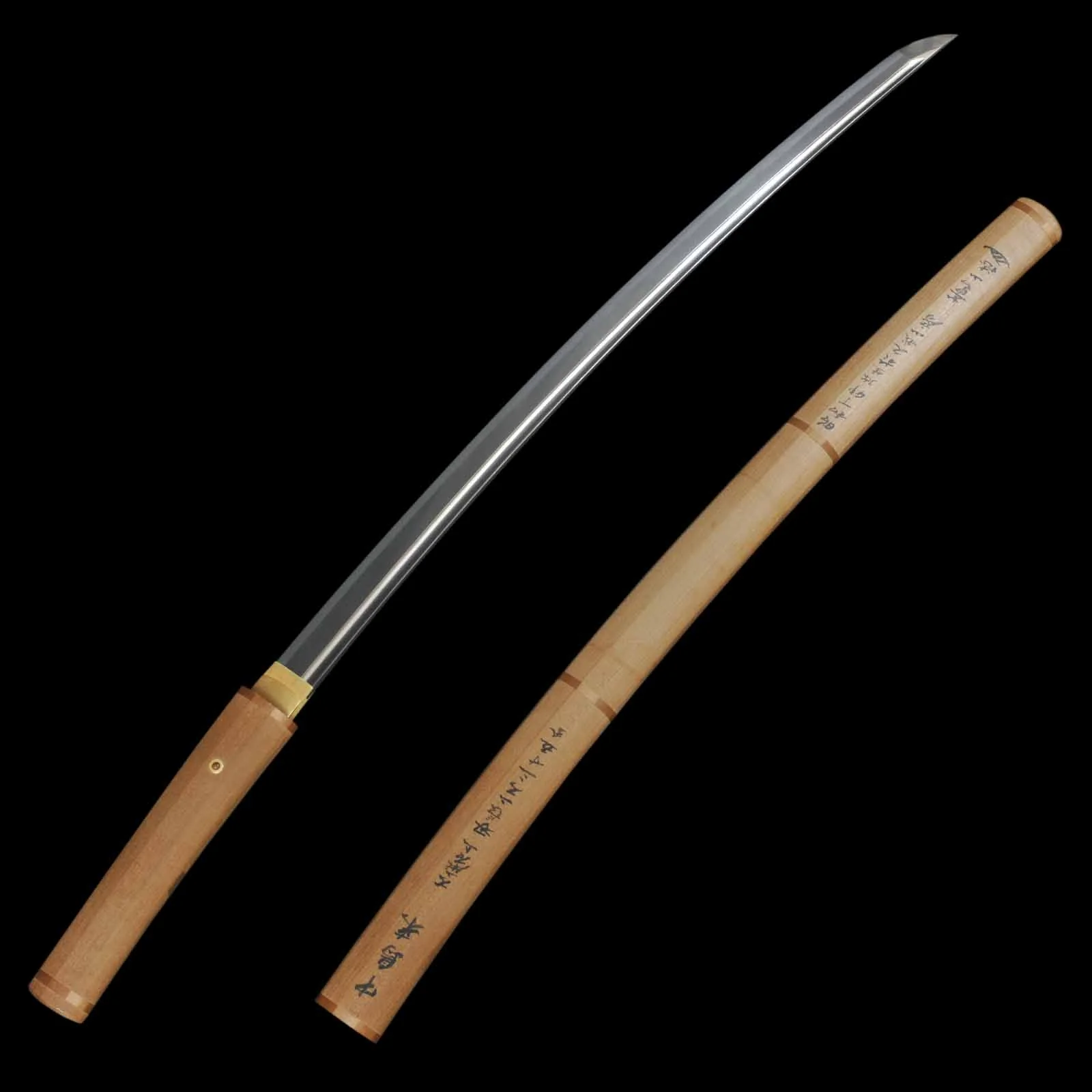
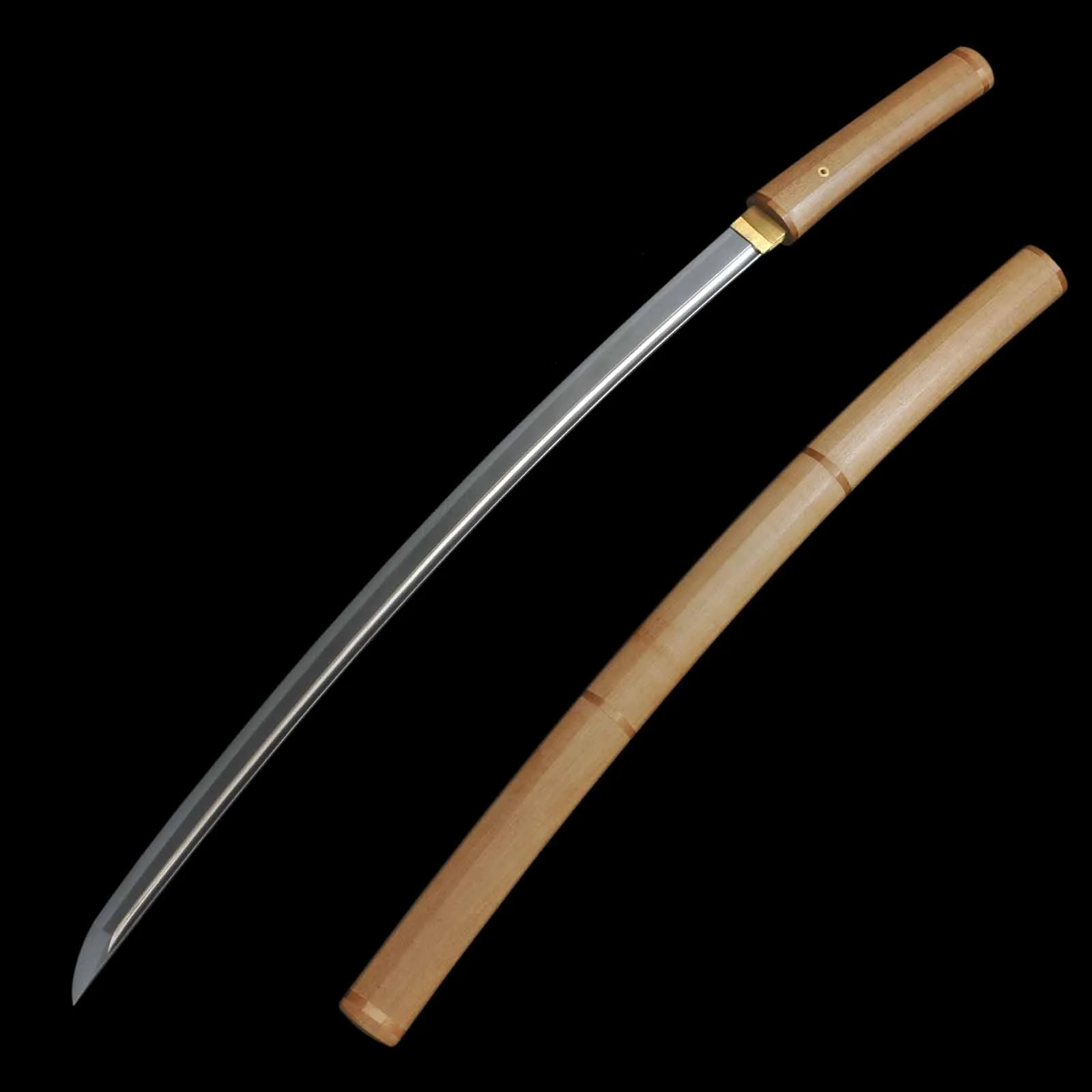
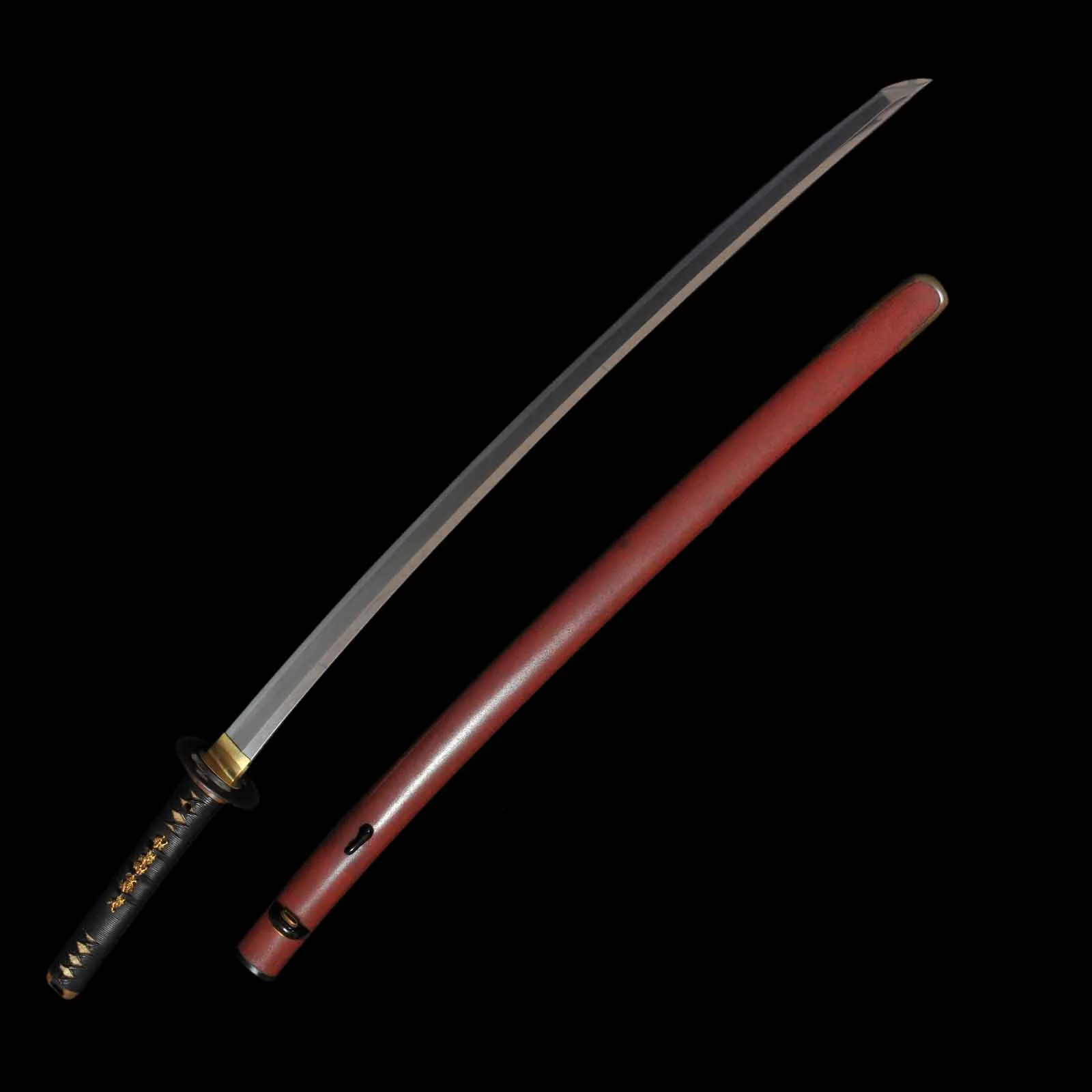
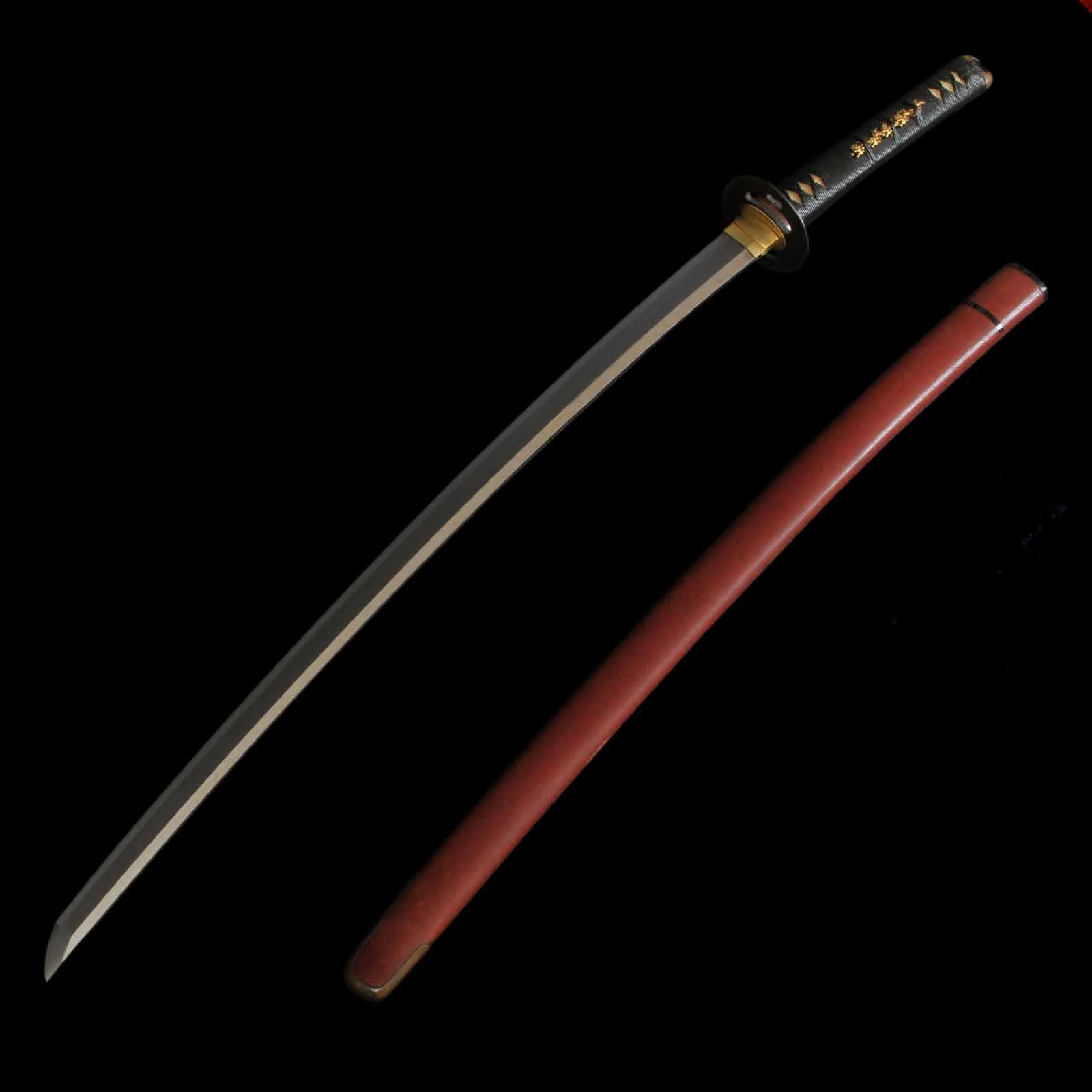
We are pleased to announce the arrival of a breathtakingly beautiful tanto accompanied by a Hozon certificate of authenticity.
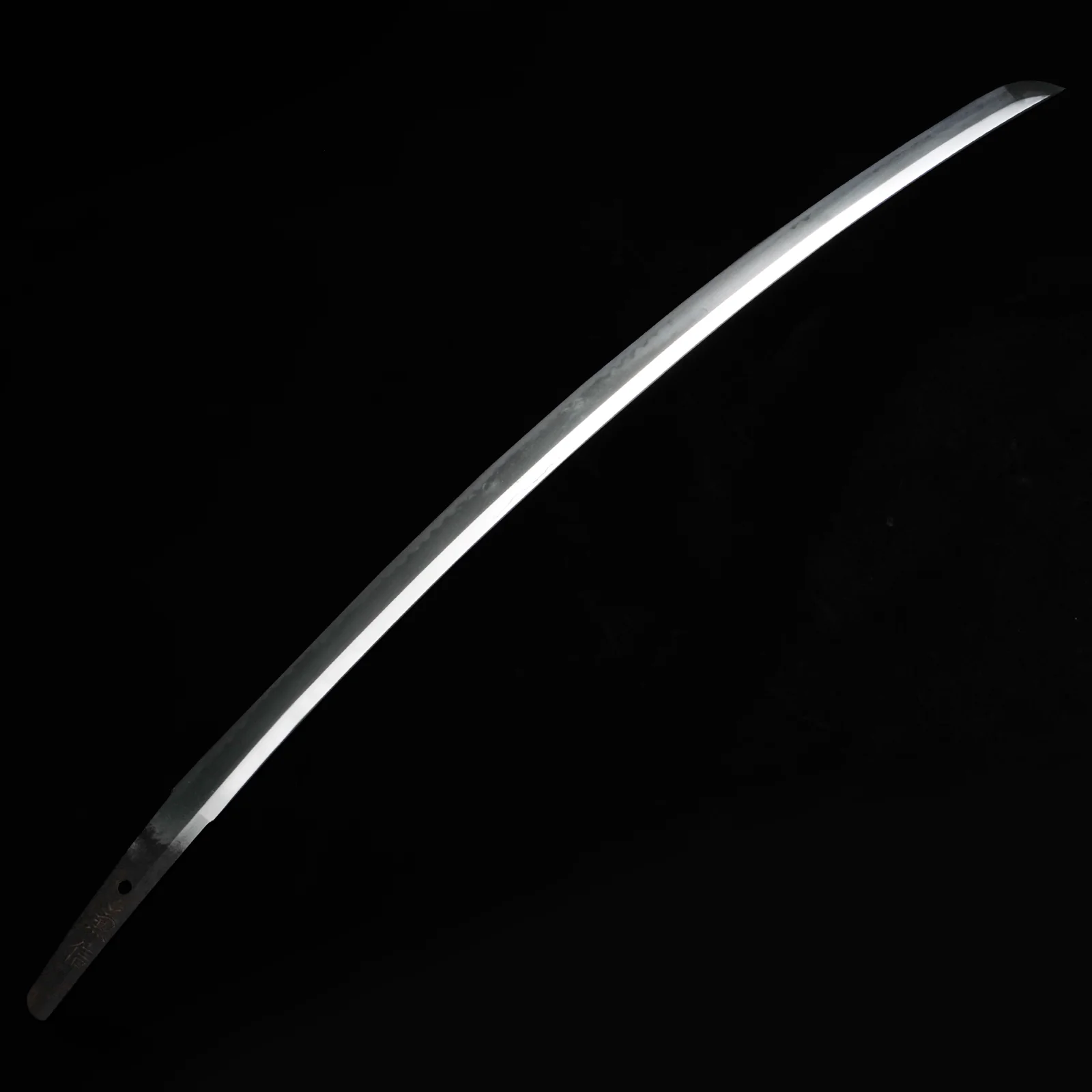
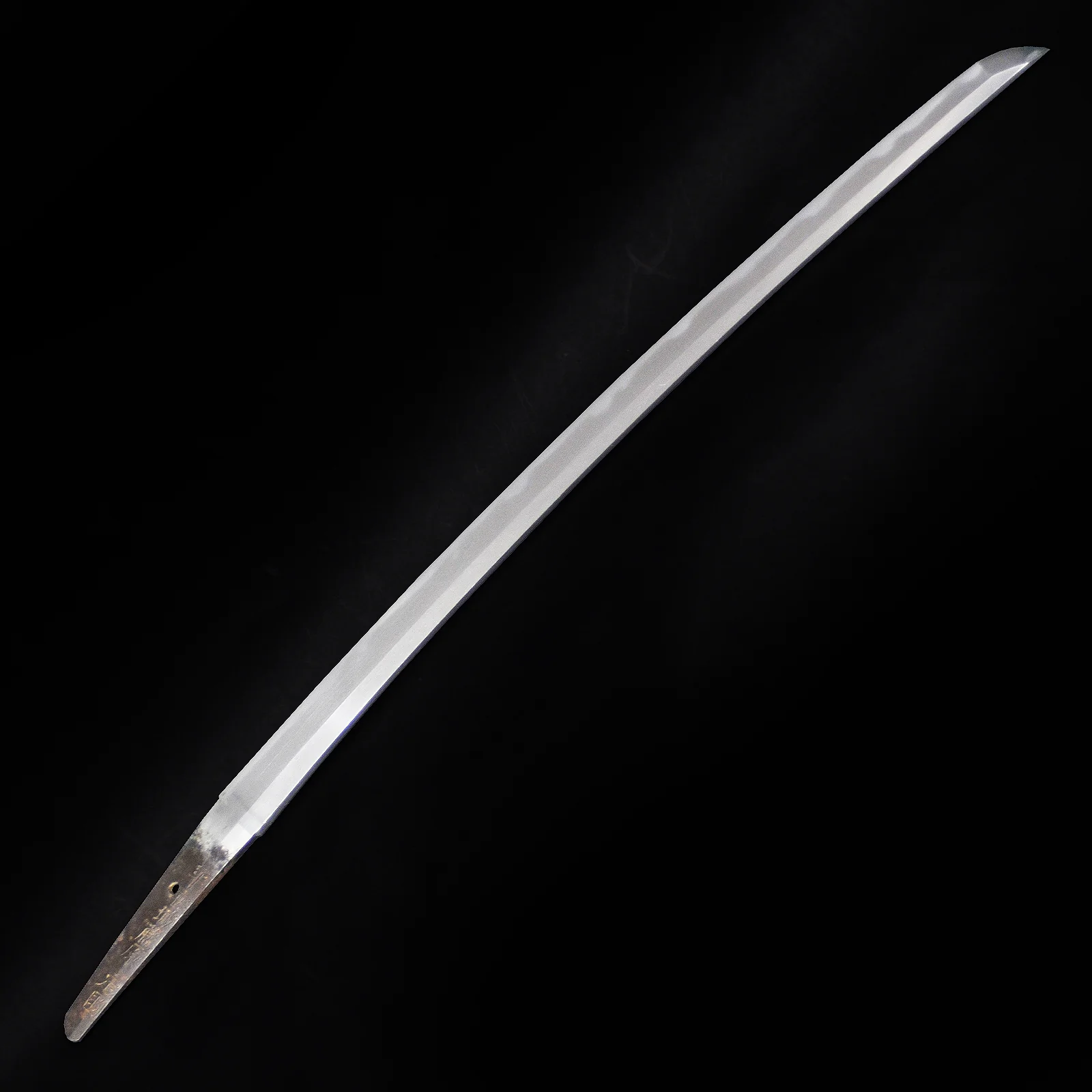
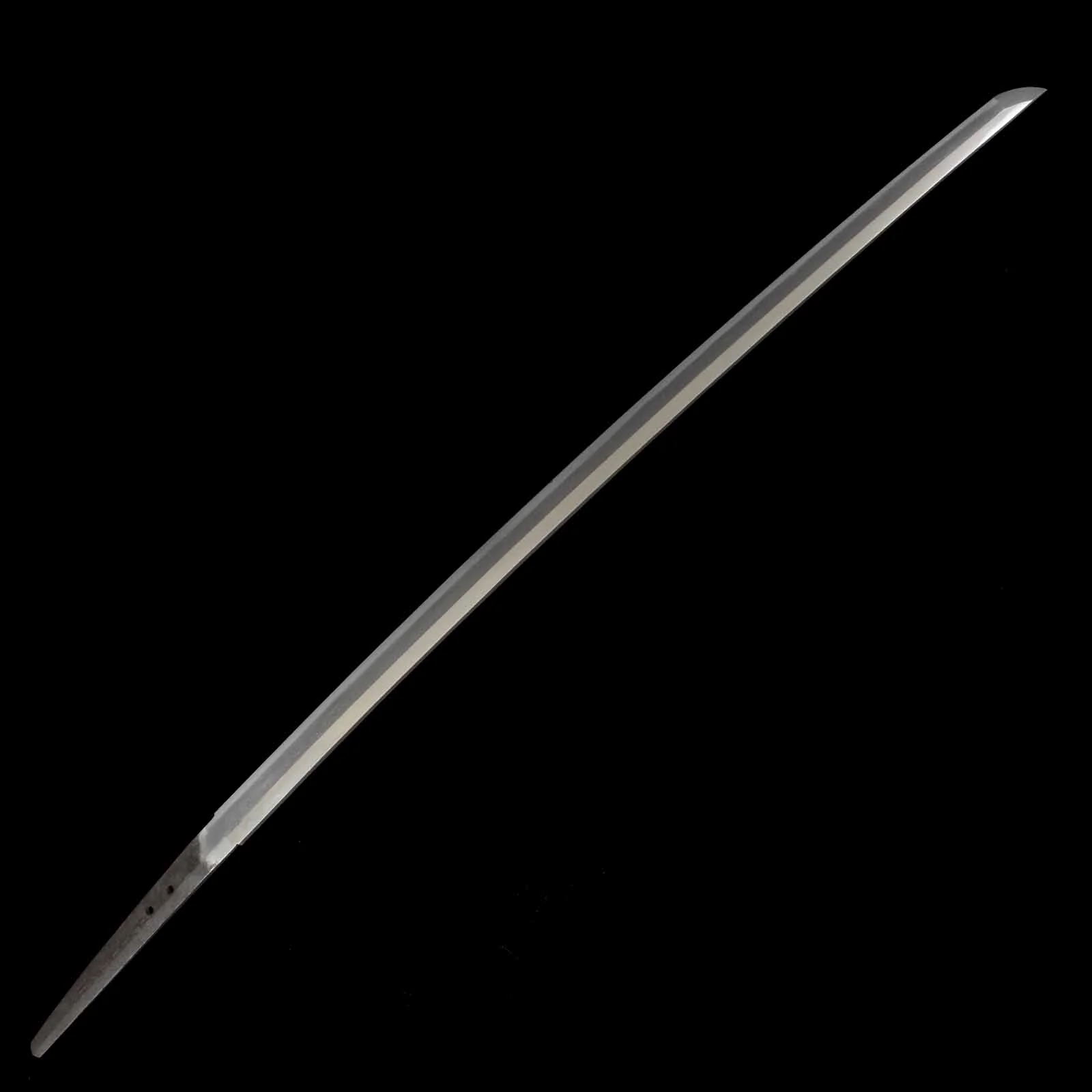
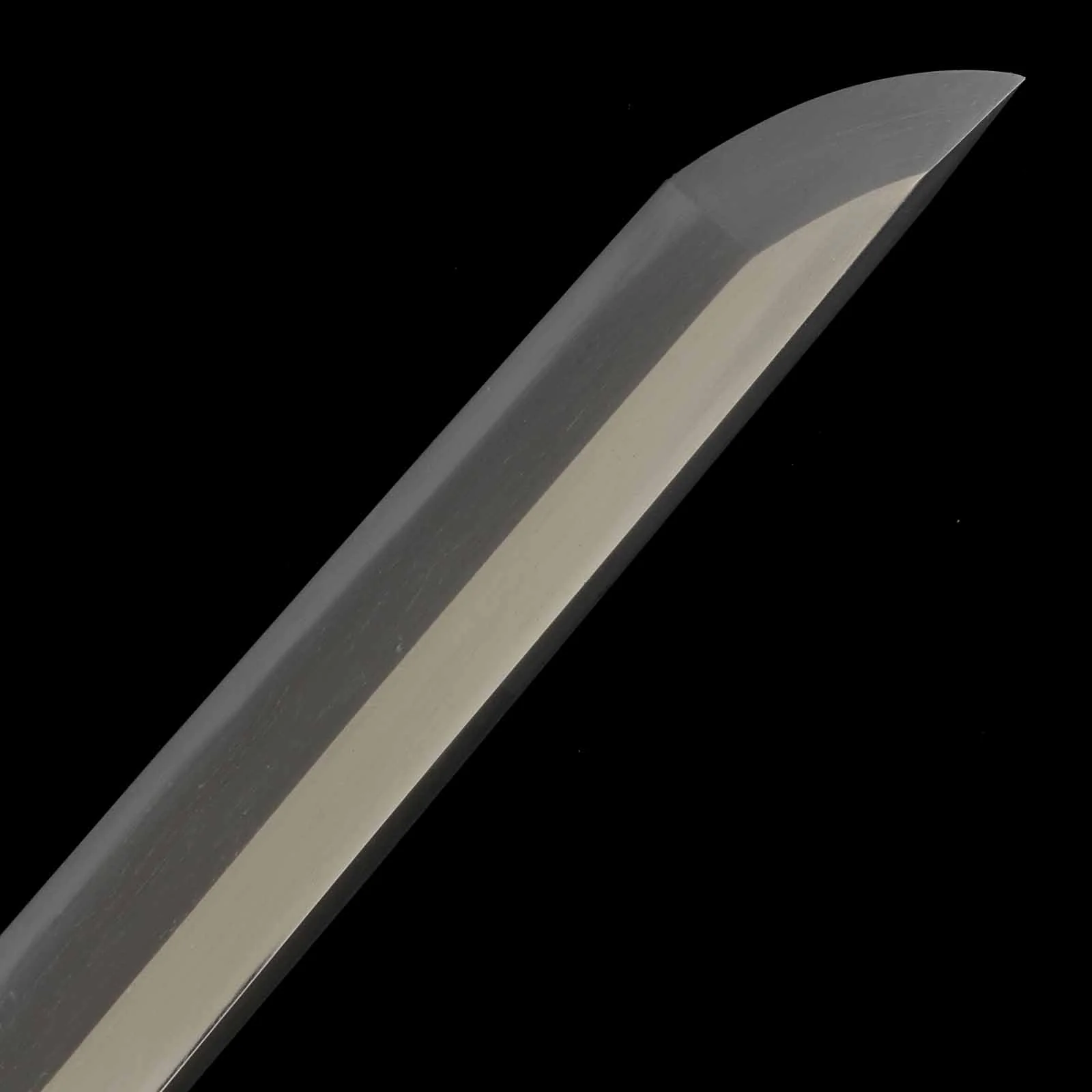
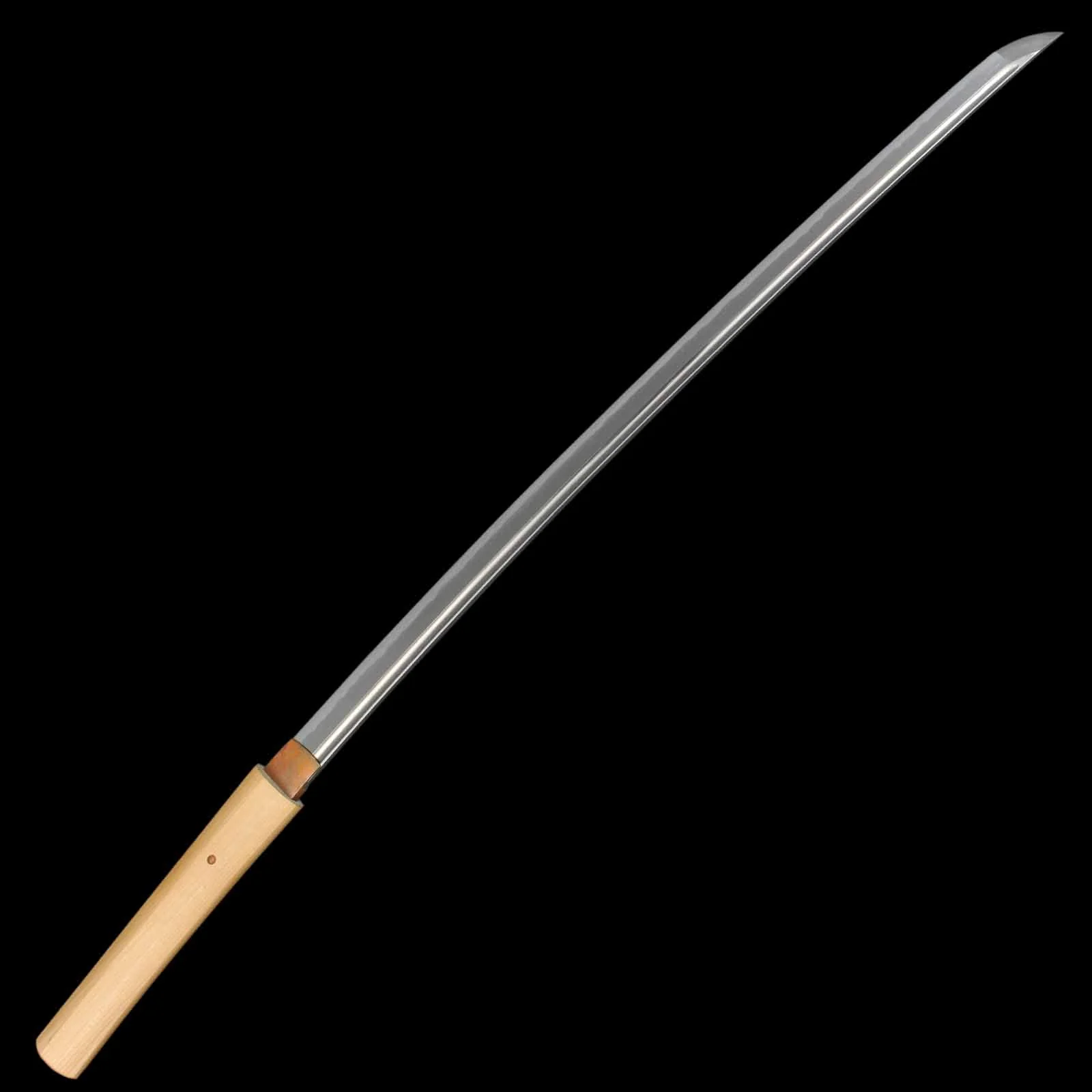
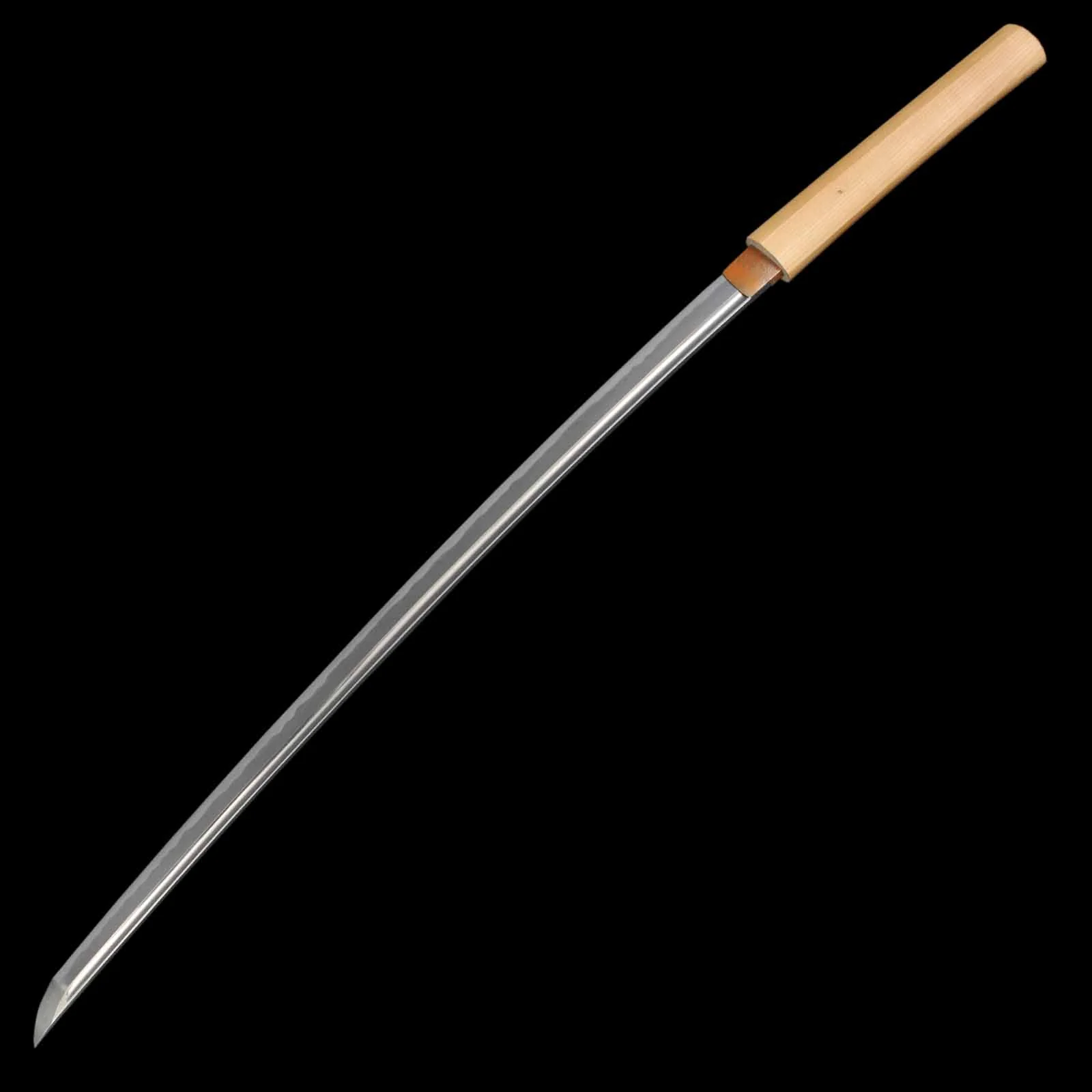
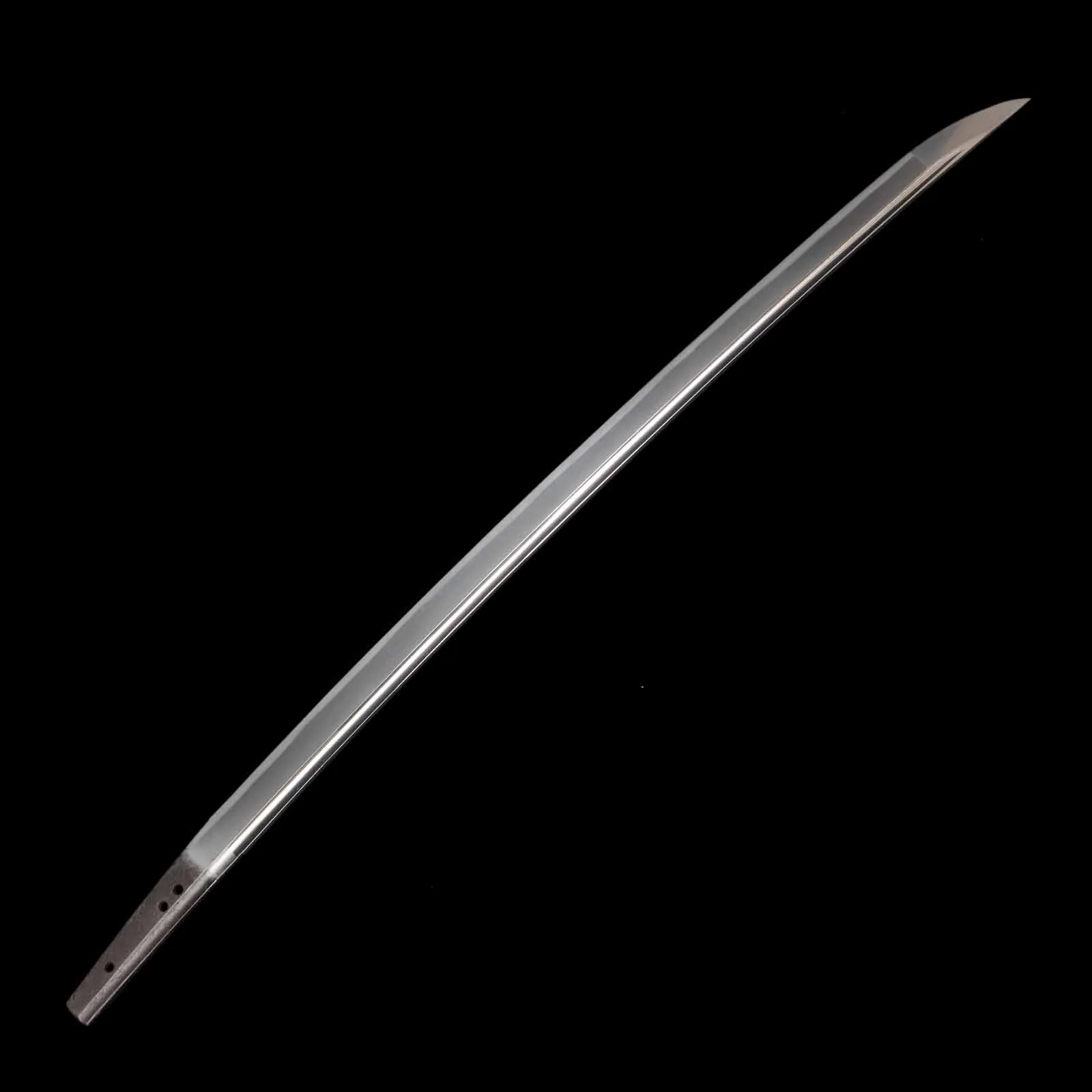
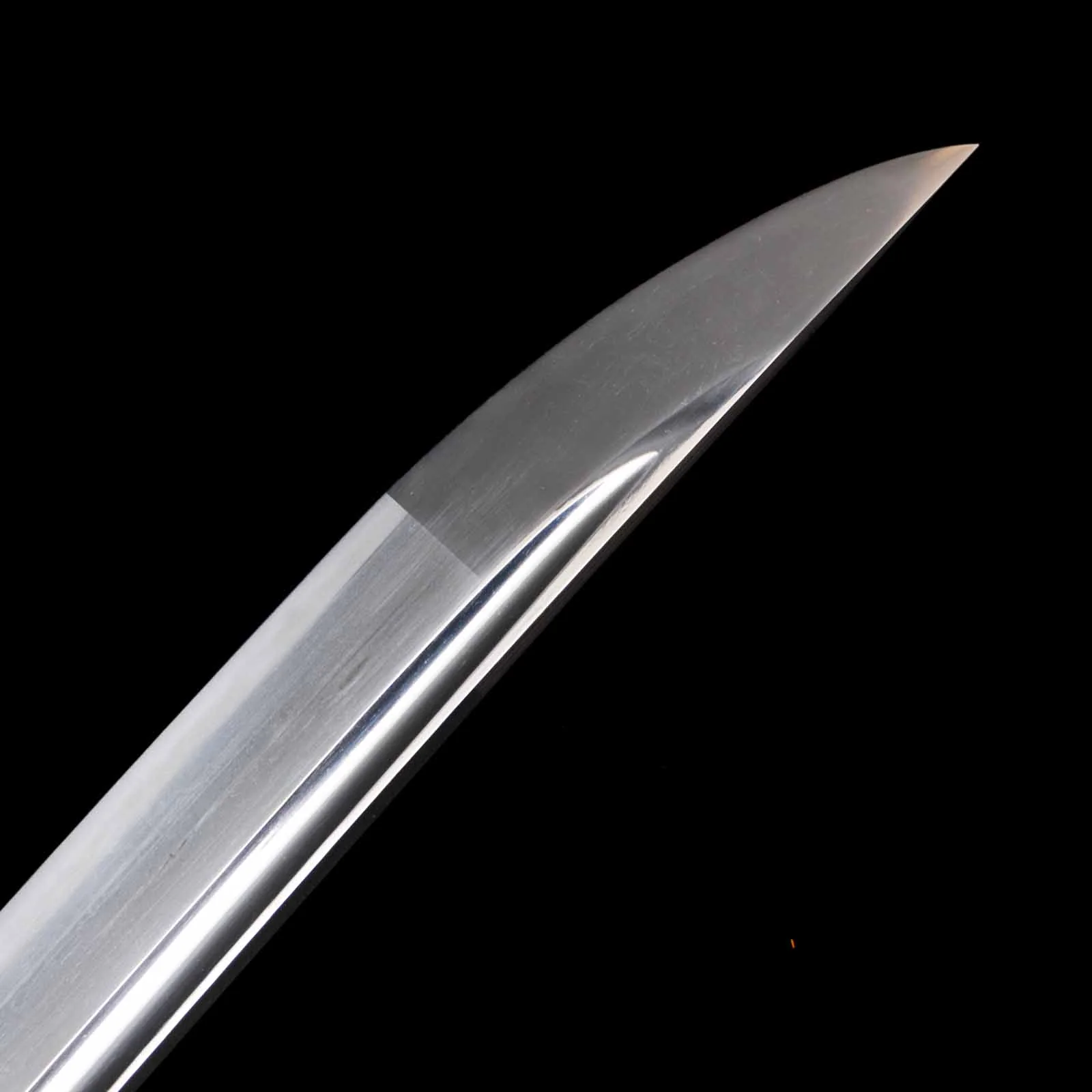
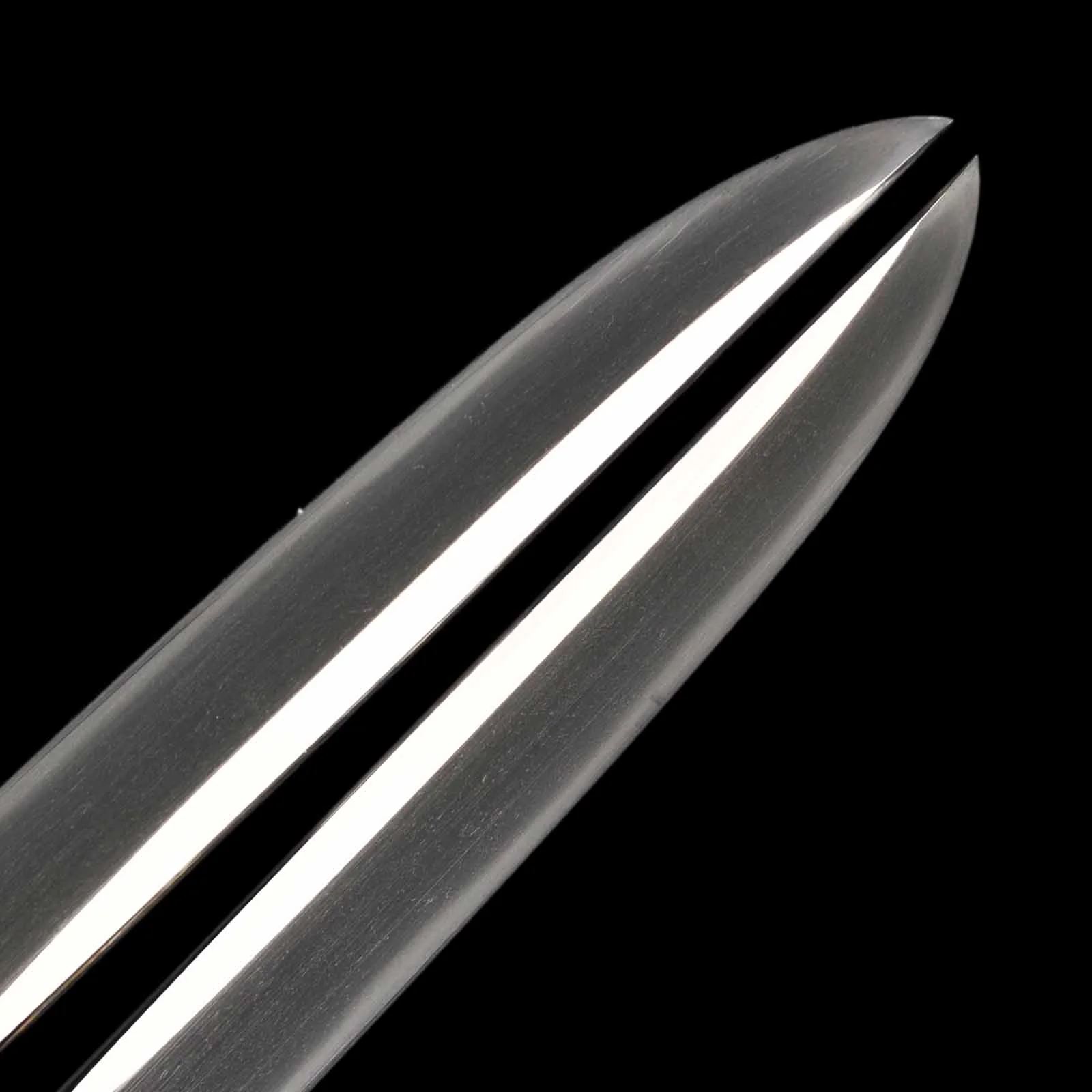
The blade has been beautifully polished throughout and is a sound piece with virtually no flaws. It features an unokubi construction with mizuki grooves carved on both sides of the blade. There is a minor scratch approximately 3 mm long on the ha, about 8 cm from the tip on the sashira side. The jigane features a well-refined itame hada, and the notare hamon displays a moist, niokuchi. Although this tanto is unsigned, Sato Kanzan, an authority on Japanese sword appraisal, has authenticated it as a work by Sanjo Yoshinori and has issued a sayagaki. Furthermore, in August 2024, the Society for the Preservation of Japanese Art Swords also certified this tanto as an authentic work by Yoshinori and issued a preservation certificate recognizing it as a piece of high value worthy of preservation for future generations.
Sanjo Yoshino is the name of a renowned swordsmith who was active primarily during the Muromachi period in Yamashiro Province (present-day Kyoto Prefecture), as well as the name of the school he founded. Alongside Heianjo Nagayoshi, he is known as one of the leading smiths representing Yamashiro-style swords of the Muromachi period. Naga-yoshi is said to be the master of Muramasa. While tradition traces Naga-yoshi’s lineage back to the Kamakura period, almost no signed works from that era survive; the earliest confirmed extant works date from the early Muromachi period (around the Oei era).
This Unokubi style dagger is sure to satisfy your desire for ownership and is a magnificent piece that beautifully exemplifies the characteristics of the Koto period.
- Blade length: 38.2 cm
- Curvature: 0.1 cm
- Number of Mekugi hole: 1
- Motohaba: 25.2 mm
- Motokasane: 4.6 mm
- Signature: No signature
- Era: Koto
- Structure: Unokubi-zukuri, Iori-mune
- Jigane: Itame
- Hamon: Notare
- Boshi: Notarete Haitte O-maru ni Kaeru
- Weight: 140 g(blade only)
- Nakago: Ubu
- Koshirae: Shirasaya
- Original Registration No.: Okayama 30463
Please contact us if the katana you are looking for is not listed here.

Details & Craftsmanship
Every detail has been carefully considered to bring you the perfect product.
Details & Craftsmanship
Every detail has been carefully considered to bring you the perfect product.

Details & Craftsmanship
Every detail has been carefully considered to bring you the perfect product.

Details & Craftsmanship
Every detail has been carefully considered to bring you the perfect product.

Details & Craftsmanship
Every detail has been carefully considered to bring you the perfect product.

Details & Craftsmanship
Every detail has been carefully considered to bring you the perfect product.
Description
We are pleased to announce the arrival of a breathtakingly beautiful tanto accompanied by a Hozon certificate of authenticity.
The blade has been beautifully polished throughout and is a sound piece with virtually no flaws. It features an unokubi construction with mizuki grooves carved on both sides of the blade. There is a minor scratch approximately 3 mm long on the ha, about 8 cm from the tip on the sashira side. The jigane features a well-refined itame hada, and the notare hamon displays a moist, niokuchi. Although this tanto is unsigned, Sato Kanzan, an authority on Japanese sword appraisal, has authenticated it as a work by Sanjo Yoshinori and has issued a sayagaki. Furthermore, in August 2024, the Society for the Preservation of Japanese Art Swords also certified this tanto as an authentic work by Yoshinori and issued a preservation certificate recognizing it as a piece of high value worthy of preservation for future generations.
Sanjo Yoshino is the name of a renowned swordsmith who was active primarily during the Muromachi period in Yamashiro Province (present-day Kyoto Prefecture), as well as the name of the school he founded. Alongside Heianjo Nagayoshi, he is known as one of the leading smiths representing Yamashiro-style swords of the Muromachi period. Naga-yoshi is said to be the master of Muramasa. While tradition traces Naga-yoshi’s lineage back to the Kamakura period, almost no signed works from that era survive; the earliest confirmed extant works date from the early Muromachi period (around the Oei era).
This Unokubi style dagger is sure to satisfy your desire for ownership and is a magnificent piece that beautifully exemplifies the characteristics of the Koto period.
- Blade length: 38.2 cm
- Curvature: 0.1 cm
- Number of Mekugi hole: 1
- Motohaba: 25.2 mm
- Motokasane: 4.6 mm
- Signature: No signature
- Era: Koto
- Structure: Unokubi-zukuri, Iori-mune
- Jigane: Itame
- Hamon: Notare
- Boshi: Notarete Haitte O-maru ni Kaeru
- Weight: 140 g(blade only)
- Nakago: Ubu
- Koshirae: Shirasaya
- Original Registration No.: Okayama 30463
Please contact us if the katana you are looking for is not listed here.